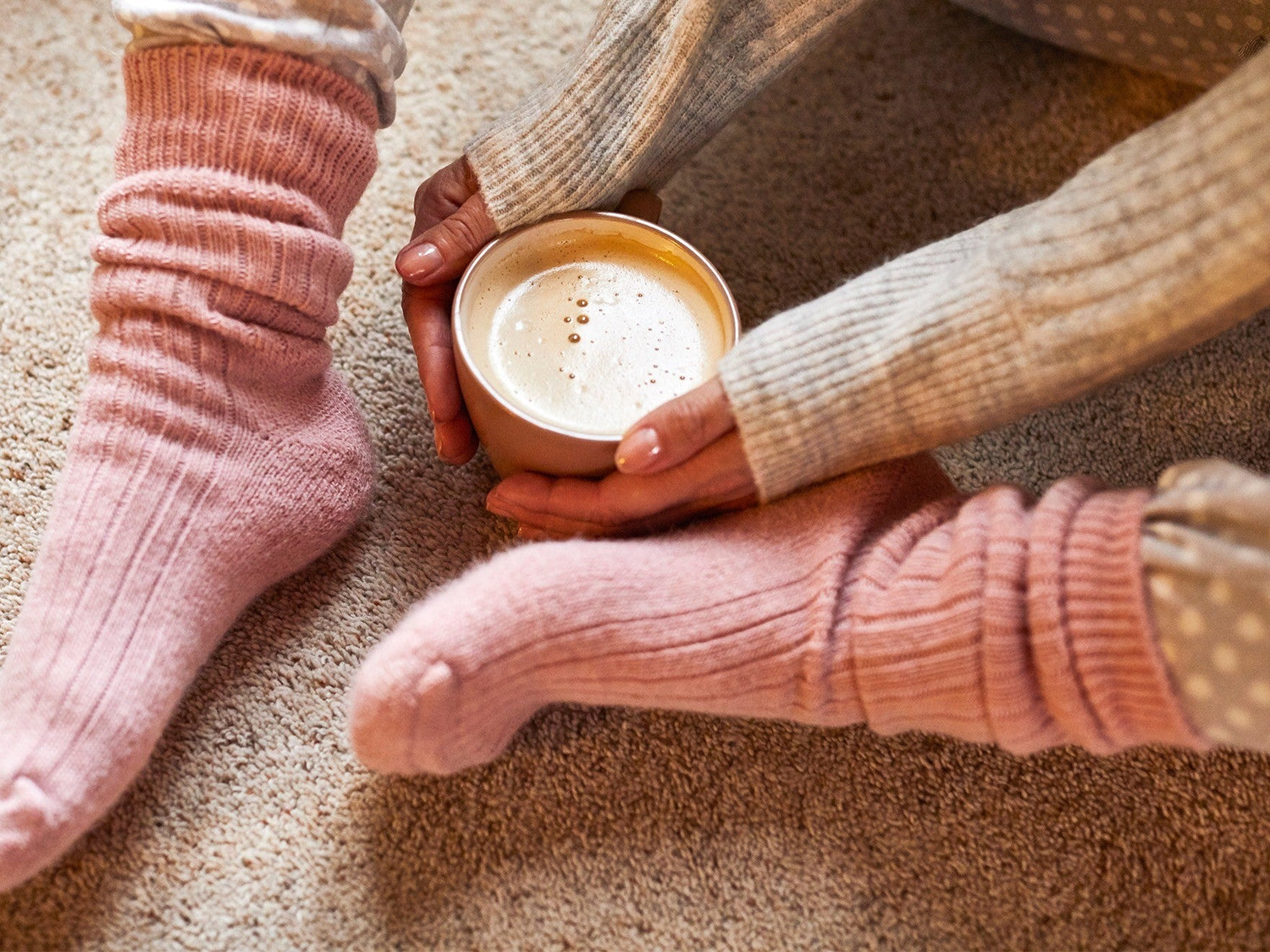


Alpaca vs Merino Socks Best for Warmth: 2026 Showdown
When winter hits, keeping your feet warm makes all the difference in comfort and health. But with so many options out there, the alpaca vs merino socks best for warmth debate is heating up for 2026.
Are you searching for the coziest socks to keep the chill away? This article dives into a data-driven showdown, comparing alpaca and merino socks side by side.
We’ll explore the science behind each fiber, warmth retention, moisture control, durability, comfort, and real user experiences. Ready to discover which option will keep your toes toasty? Let’s jump in and find your perfect match.
Understanding Alpaca and Merino Wool: Origins and Properties
Wool socks have been a staple for cold weather comfort for centuries, but what makes alpaca and merino wool so unique? To truly understand the alpaca vs merino socks best for warmth debate, it's essential to look at where these fibers come from, how they are structured, and what sets them apart. Let's explore the origins, properties, and sustainability of these two natural wonders.
What is Alpaca Wool?
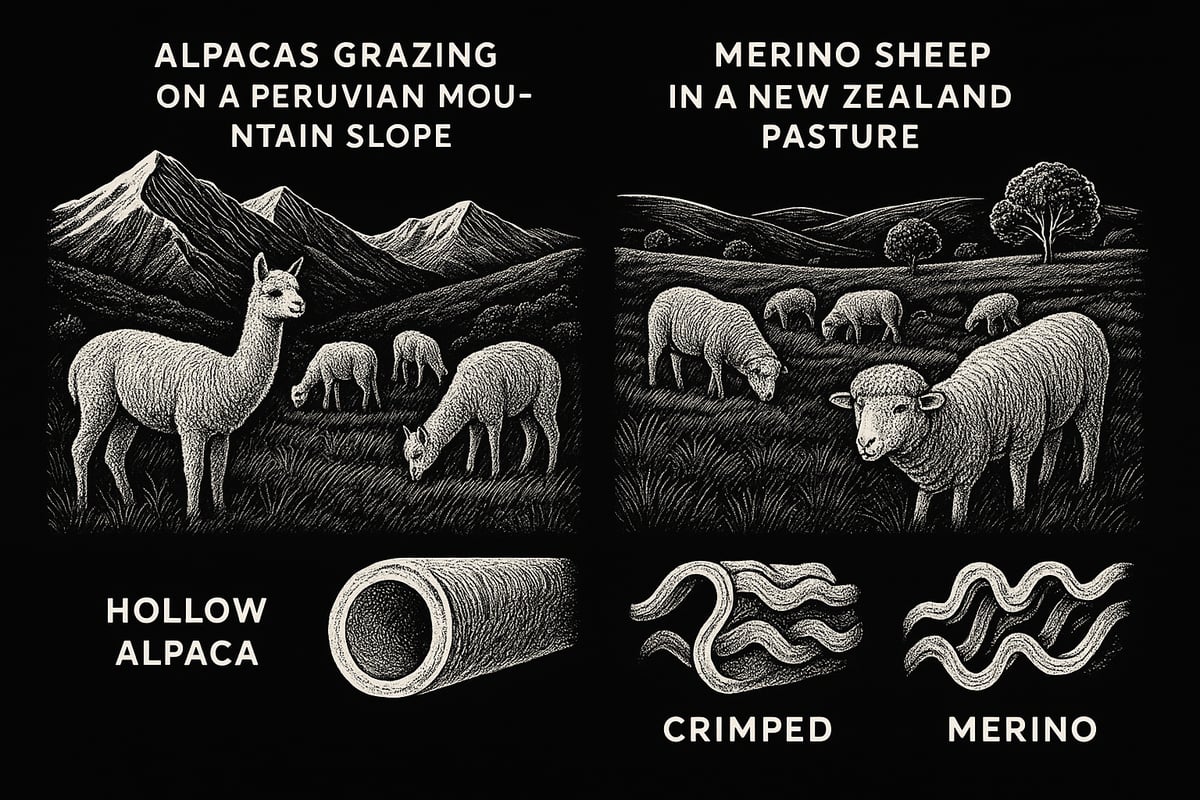
Alpaca wool is sourced from alpacas, animals native to the Andes mountains of South America, especially Peru. For generations, Peruvian communities have carefully raised alpaca herds, passing down traditional spinning and weaving techniques.
One of the key reasons alpaca vs merino socks best for warmth is a hot topic is alpaca's hollow fiber structure. These fibers trap heat efficiently, providing exceptional insulation even in thin socks. Alpaca wool is also naturally hypoallergenic because it contains no lanolin, making it ideal for sensitive skin.
- Hollow core fibers for warmth
- Soft, luxurious texture
- Hypoallergenic and lanolin free
- Centuries-old Peruvian heritage
Alpaca socks offer a plush, cozy feel that many consider a true luxury.
What is Merino Wool?
Merino wool comes from Merino sheep, bred primarily in Australia and New Zealand for their ultra-fine, soft fleece. These sheep have been selectively bred over generations to produce some of the softest wool in the world.
The crimped structure of merino fibers creates tiny air pockets that help insulate feet. This structure is a major factor in the alpaca vs merino socks best for warmth discussion, as it gives merino socks their signature balance of warmth and breathability. Merino wool contains lanolin, a natural substance that adds antibacterial properties but may cause allergies in some.
- Fine, crimped fibers for insulation
- Renowned softness and elasticity
- Contains lanolin for antibacterial benefits
- Originates from high-quality Merino sheep
Merino socks are loved for their stretchy, all-day comfort and temperature regulation.
Comparing Fiber Structures and Insulating Qualities
When it comes to alpaca vs merino socks best for warmth, the science of fiber structure is key. Alpaca fibers have a hollow core, giving them a superior warmth-to-weight ratio, while merino fibers are crimped, adding loft and insulation.
| Property | Alpaca Wool | Merino Wool |
|---|---|---|
| Fiber Structure | Hollow core | Crimped |
| Warmth Retention | Higher per weight | Excellent, slightly less |
| Lanolin Content | None | Present |
| Softness | Very soft | Ultra-fine, soft |
Scientific studies show alpaca can be up to 30% warmer than merino by weight. Both fibers outperform synthetics in warmth retention, but alpaca's hollow core means even thinner socks can deliver impressive insulation. For a deeper look at their differences in warmth and comfort, see this Alpaca vs Merino Wool: Which Is Warmer, Softer & Better? guide.
Sock thickness and warmth are also influenced by these natural properties, making each fiber suitable for different needs.
Sustainability and Ethical Sourcing
Today's consumers care about how their clothing is made, and the alpaca vs merino socks best for warmth debate includes sustainability. Alpaca farming uses less land and water than many livestock operations, and alpacas have soft-padded feet that are gentle on fragile mountain ecosystems. Merino farming has made significant strides in land stewardship and animal welfare, especially in Australia and New Zealand.
Look for certifications like the Responsible Wool Standard for merino and Fair Trade Alpaca labeling. Brands that prioritize transparency and ethical sourcing are gaining traction, reflecting a growing demand for sustainable, natural-fiber socks.
Both alpaca and merino options offer eco-friendly benefits, but checking for trusted certifications ensures your warm socks are kind to the planet as well as your feet.
Warmth Showdown: Alpaca vs Merino Socks in 2026
When winter bites, every degree of warmth matters. The alpaca vs merino socks best for warmth debate has never been more relevant than in 2026, with both fibers promising cozy feet in freezing conditions. Let’s break down the science, real-world feedback, and key features that set these two natural wonders apart.

Scientific Testing: Which Fiber Retains More Heat?
When it comes to pure warmth, laboratory tests provide clear answers in the alpaca vs merino socks best for warmth contest. Thermal imaging consistently shows alpaca socks trapping more heat, especially in sub-zero environments. Alpaca fibers, with their hollow core, create a superior warmth-to-weight ratio.
According to fiber research, alpaca can be up to three times warmer than cotton and 1.5 times warmer than merino by weight. Real-world tests confirm that feet in alpaca socks experience slower temperature drops compared to merino, especially during long exposure to cold. For a deep dive into lab and field comparisons, see this Merino Wool vs. Alpaca: Battle of the Base Layers article.
Merino, meanwhile, offers reliable insulation even when damp, making it a favorite among those who encounter wet conditions. Still, if maximum heat retention is your priority, alpaca often takes the crown.
Moisture Management and Breathability
Staying warm isn’t just about insulation—it’s about keeping dry. In the alpaca vs merino socks best for warmth matchup, alpaca fibers naturally repel moisture, which helps reduce odor and keep feet comfortable longer. This means your feet feel less clammy after hours of wear.
Merino shines in its moisture-wicking ability. It can absorb up to 30% of its weight in moisture without feeling wet, which is ideal for hikers and active users. Many outdoor enthusiasts report merino socks keep their feet dry during sweaty treks or sudden showers. Still, alpaca’s quick-drying and odor-resistant qualities make it a contender for warmth in damp environments.
Comfort and Skin Sensitivity
Comfort is crucial in the alpaca vs merino socks best for warmth debate, especially for those with sensitive skin. Alpaca socks are hypoallergenic and lanolin-free, making them a top choice for people with allergies or eczema. Their fibers are also naturally soft and smooth.
Merino socks are crafted from ultra-fine fibers that minimize itchiness and provide a gentle feel. However, they do contain lanolin, which can cause irritation for some. Users with skin sensitivities often favor alpaca, but both options offer impressive comfort for all-day wear, whether you’re lounging or on the move.
Durability and Longevity
No one wants socks that wear out after a single season. In the alpaca vs merino socks best for warmth comparison, alpaca stands out for its durability. Tests show alpaca fibers resist pilling up to 50% better than merino, maintaining their shape and plushness over time.
Merino socks are highly elastic and resilient, but may show signs of wear faster in high-friction areas. Both types require gentle washing to extend their lifespan. If you value socks that last, alpaca’s longevity can offset its higher upfront cost, making it a smart investment for warmth lovers.
Weight, Thickness, and Versatility
The final factor in the alpaca vs merino socks best for warmth decision is versatility. Alpaca offers lightweight socks that deliver high warmth, perfect for layering or wearing as bed socks without bulk.
Merino, on the other hand, is available in a range of thicknesses, from ultra-light for runners to thick for hikers. This makes merino a flexible choice for diverse activities and climates. In 2026, consumers gravitate toward both fibers for their distinct strengths, but the choice comes down to your lifestyle and warmth needs.
Real-World Performance: User Experiences and Reviews
Finding the alpaca vs merino socks best for warmth often comes down to real-life experiences. While lab tests matter, nothing beats feedback from people who wear these socks every day. Below, we break down how each type performs in daily life, outdoor adventures, for sensitive skin, and in terms of style.
Everyday Use: Office, Home, and Casual Wear
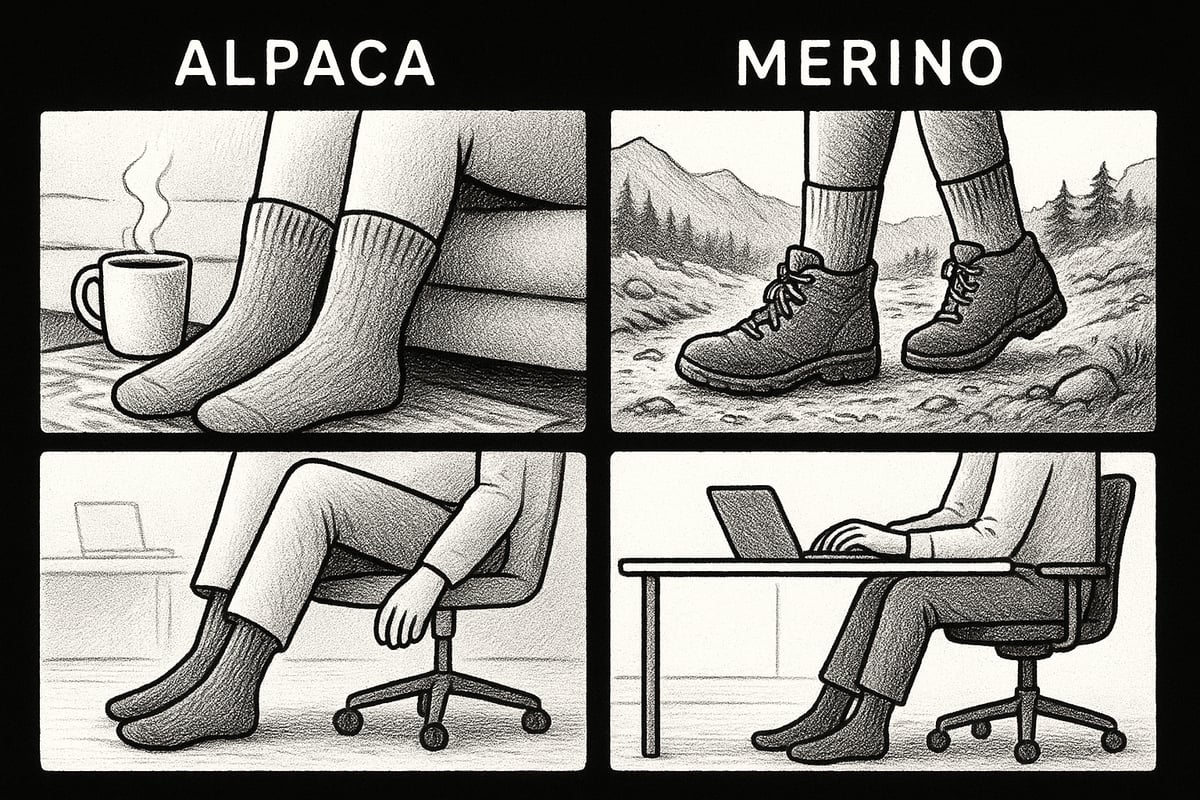
When it comes to daily comfort, users consistently debate alpaca vs merino socks best for warmth. Alpaca socks are a favorite for lounging at home, with many praising their plush, cozy feel and ability to keep toes toasty, even on chilly floors. Merino socks, on the other hand, win points for breathability, making them a go-to for long days at the office or running errands.
User ratings from major retailers show high satisfaction for both, but alpaca socks often edge ahead for at-home wear. For those seeking maximum warmth at night, our Warm Bed Socks for Winter guide highlights how alpaca bed socks excel in cold bedrooms. Both types show strong durability, with minimal loss of softness after repeated washes.
Outdoor Adventures: Hiking, Walking, and Sports
For outdoor enthusiasts, the alpaca vs merino socks best for warmth debate becomes even more important. Hikers and campers often lean towards alpaca socks in deep winter, noting their superior heat retention during frigid mornings and frosty nights. These socks maintain warmth even when temperatures dip sharply.
Merino socks, meanwhile, are favored by runners and walkers for their moisture management and breathability. They keep feet dry during strenuous activities, preventing blisters and discomfort. Gear review summaries show that both fibers outperform cotton, but the choice often comes down to which environment demands more insulation or sweat control.
Sensitive Skin and Health Considerations
The alpaca vs merino socks best for warmth question is vital for those with sensitive skin or allergies. Alpaca socks are hypoallergenic and lanolin-free, making them a top pick for people with eczema or skin sensitivities. Users report fewer instances of irritation and more all-day comfort, especially for children and older adults.
Merino socks are praised for their ultra-fine fibers, which reduce itchiness compared to traditional wool. However, a small number of users experience mild reactions due to lanolin content. Overall, both options are suitable for sensitive skin, but alpaca tends to be the safer bet for those with known wool allergies.
Style, Fit, and Aesthetic Appeal
Fashion-forward consumers are increasingly asking which alpaca vs merino socks best for warmth also look great. Alpaca socks often come in natural hues and have a luxurious, artisanal appeal, making them a popular gift choice. Their soft sheen and plush texture add a touch of elegance to loungewear.
Merino socks score points for versatility, available in a wide array of colors, patterns, and thicknesses. They're ideal for both casual outfits and formal settings. Trends for 2026 show growing interest in sustainable, stylish socks, and both fibers meet the demand for warmth and eco-conscious fashion.
Price, Value, and Accessibility in 2026
Staying warm in 2026 means balancing comfort with budget, so understanding the alpaca vs merino socks best for warmth price landscape is crucial. Let’s break down how these premium socks compare when it comes to cost, value, and finding your perfect pair.
Cost Comparison: Alpaca vs Merino Socks
When comparing alpaca vs merino socks best for warmth, price is often a deciding factor. Alpaca socks generally cost more due to the rarity of alpaca fiber and the labor-intensive production process. In contrast, merino socks are more widely available and usually come at a lower price point.
| Sock Type | Average Price (2026) | Notes |
|---|---|---|
| Alpaca | £18–£30 per pair | Premium, rare, luxury appeal |
| Merino | £10–£18 per pair | Widely available, versatile |
For more details on what makes alpaca socks a premium choice, see this Alpaca Wool Socks Guide for a deep dive into their benefits and costs. Leading brands reflect these averages, with luxury alpaca socks positioned at the top end.
Value for Money: Durability and Longevity
Looking at alpaca vs merino socks best for warmth, value is more than just the upfront price. Alpaca socks often last longer thanks to their strong, pill-resistant fibers, providing a lower cost-per-wear over time. Merino socks, while affordable, may require replacement sooner if worn daily in high-friction situations.
According to consumer surveys, many users report that investing in alpaca socks pays off with better durability and warmth, especially for those seeking the ultimate winter comfort. Merino socks, however, remain a favorite for value packs and everyday use, offering reliable performance for a modest cost.
Availability and Sizing Options
Accessibility is essential when searching for alpaca vs merino socks best for warmth. In 2026, both types have become easier to find in major markets like the UK, US, and Europe. Merino socks lead in sheer variety, with options for every activity and plenty of sizing inclusivity, from extra small to plus sizes.
Alpaca socks are gaining ground, with more retailers expanding their size ranges and styles. Specialty fits, such as wide-calf or seamless toe, are now available from top brands. For shoppers interested in the details and options, the Alpaca Wool Socks Guide covers sizing and selection tips.
The Cambridge Sock Company: Premium Natural-Fibre Socks
If you’re seeking alpaca vs merino socks best for warmth with a focus on craftsmanship, The Cambridge Sock Company is a standout choice. Their collection includes both alpaca and merino wool socks, with bed socks, walking socks, and everyday pairs designed for warmth and comfort.
The brand’s commitment to sustainability and hypoallergenic materials shines through, with transparent sourcing and ethical production. Special offers and bundles make premium socks more accessible, while thousands of customers trust their quality and durability for all seasons.
The Future of Warm Socks: Trends and Innovations
The world of cozy socks is evolving fast. As we look to 2026, new materials, sustainable methods, and shifting consumer needs are shaping what it means to find the alpaca vs merino socks best for warmth.
Advances in Fiber Technology and Blends
Innovations in sock design have led to exciting developments for those seeking the alpaca vs merino socks best for warmth. In 2026, brands are experimenting with blends that combine alpaca’s hollow fibers and merino’s springy crimp. This fusion delivers socks that are lightweight, surprisingly insulating, and soft to the touch.
New knitting techniques create denser insulation zones, while targeted ventilation panels improve breathability. Eco-friendly dyes and water-saving treatments are now industry standards. For a deeper dive into how fiber structure shapes comfort and performance, see this in-depth comparison of fiber structure and comfort.
Product launches this year include socks with recycled content, earth-friendly packaging, and seamless toe designs. These advances let you enjoy both warmth and comfort, no matter the activity.
Sustainability and Ethical Production
Sustainability is front and center in the alpaca vs merino socks best for warmth conversation. Modern consumers expect more than just cozy toes—they want assurance that their socks are made with respect for animals, workers, and the environment.
Brands are prioritizing traceable supply chains, cruelty-free farming, and certifications like Fair Trade Alpaca and the Responsible Wool Standard. Transparent labeling and digital tracking of wool origins are becoming common.
Many companies now use eco-friendly packaging and renewable energy in manufacturing. These steps ensure that your warm socks have a lighter environmental footprint, making them a smart choice for both you and the planet.
Market Trends: Consumer Preferences in 2026
The demand for alpaca vs merino socks best for warmth is rising as shoppers seek premium natural fibers over synthetics. Artisanal, small-batch makers are gaining popularity, and online subscriptions are making luxury socks more accessible than ever.
Social media trends show that consumers value both sustainability and style, choosing brands that offer unique patterns, natural hues, and transparent practices. According to a recent industry survey, 68% of buyers in 2026 prefer to purchase sustainable socks.
For a closer look at how these fibers keep feet warm and dry, explore the science behind alpaca and merino wool and see why these options outperform synthetics in real-world use.
Choosing the Best Sock for Your Needs
When deciding on the alpaca vs merino socks best for warmth, consider your priorities—are you after maximum insulation, moisture management, or skin sensitivity? Use the table below as a decision matrix to help guide your choice:
| Feature | Alpaca | Merino |
|---|---|---|
| Warmth | Superior (hollow fiber) | Excellent (crimped fiber) |
| Moisture Control | Moisture-repellent | High wicking ability |
| Skin Sensitivity | Hypoallergenic, lanolin-free | Ultra-soft, some lanolin |
| Durability | Long-lasting, resists pilling | Resilient, may wear faster |
| Sustainability | Small-scale, low impact | Certified ethical options |
Trying both types lets you experience firsthand which is the alpaca vs merino socks best for warmth for your needs. Whether you are seeking everyday comfort or adventure-ready gear, the future of warm socks is brighter, greener, and cozier than ever.