


Is alpaca wool itchy the surprising truth for skin, or have we all missed out on the softest secret in natural fibers? Many people wonder if alpaca wool is gentle or if it causes discomfort like other wools. This blog post dives into the real science behind itchiness, busts common myths, and explores how alpaca compares to other natural fibers. Discover the unique properties of alpaca wool, its hypoallergenic reputation, and a practical guide for choosing the best products for your skin. Get ready to make confident, informed choices as we reveal the facts for 2026.
Understanding Alpaca Wool: Properties and Production
Alpaca wool stands out in the world of natural fibers for its remarkable softness and fine texture. Unlike traditional wools, it feels gentle against the skin, leading many to wonder about alpaca wool itchy the surprising truth for skin. This fiber is harvested from alpacas, which are native to the Andes mountains and renowned for their luxurious fleece.
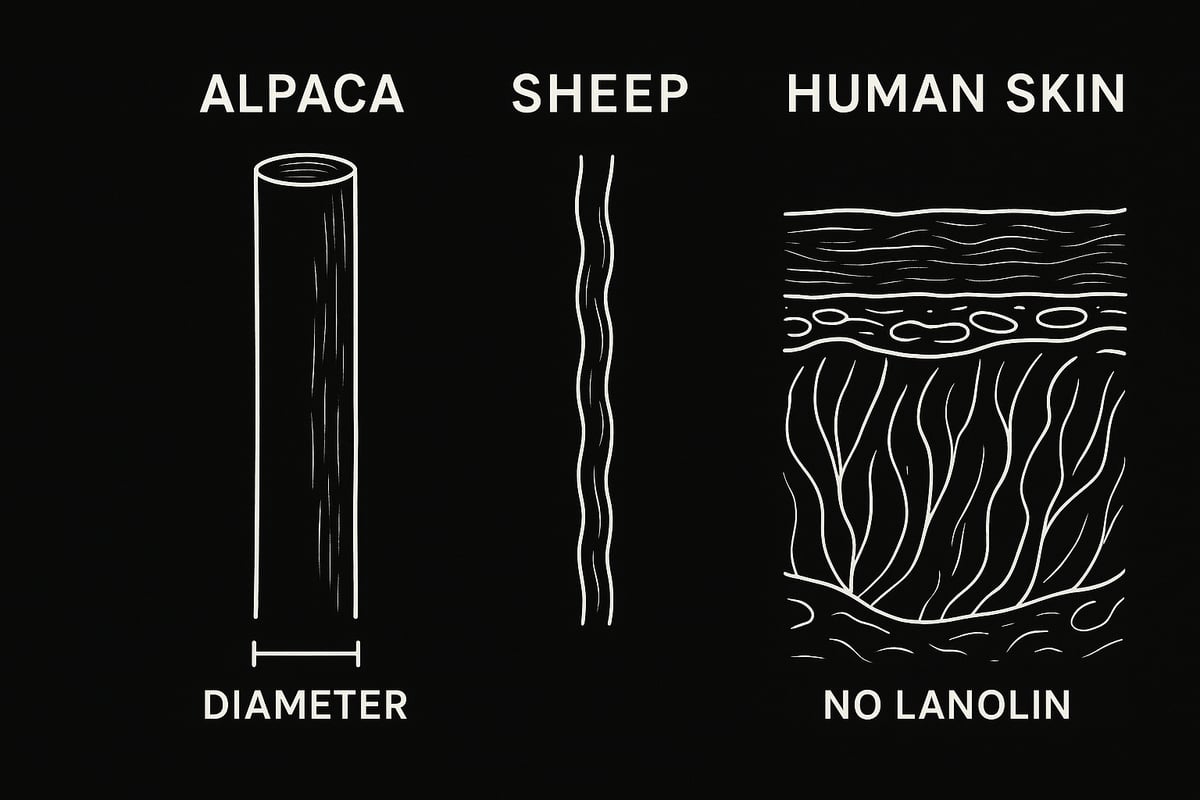
What makes alpaca wool truly unique is its fiber structure. Each strand is naturally smooth, with a lower scale height than sheep's wool, which reduces irritation. The diameter of alpaca fibers typically ranges from 18 to 25 microns, making it finer and softer than most standard sheep's wool. This quality is a key reason why many people with sensitive skin prefer alpaca wool.
The production journey of alpaca wool begins with the annual shearing of alpacas, a process that is both humane and sustainable. There are two primary breeds: Huacaya and Suri. Huacaya alpacas produce fluffy, crimpy fibers ideal for warmth, while Suri alpacas yield long, silky strands prized for their sheen. The breed significantly influences the final quality and feel, contributing to alpaca wool itchy the surprising truth for skin.
Alpaca wool is often considered a luxury fiber due to its rarity, softness, and performance. Compared to merino and sheep's wool, which average 24 to 30 microns, alpaca wool is noticeably finer. This lower micron count allows it to sit comfortably on the skin, minimizing the prickly sensation some associate with wool. Additionally, alpaca farming is eco-friendly, as alpacas have soft-padded feet and low grazing impact, making them gentle on the land.
Processing methods also play a crucial role in the comfort of alpaca wool. Gentle washing, minimal chemical treatments, and careful spinning preserve the fiber's softness and hypoallergenic properties. For a deeper dive into the science behind fiber diameter and itchiness, see the detailed Alpaca Fiber Characteristics. Premium alpaca products—such as socks, scarves, and sweaters—are celebrated for their comfort and breathability, reinforcing alpaca wool itchy the surprising truth for skin.
The reputation of alpaca wool continues to grow as more people seek sustainable and comfortable alternatives to traditional fibers. Whether you are looking for warmth, softness, or hypoallergenic qualities, alpaca wool remains a top choice. Its blend of luxury, eco-friendliness, and skin-friendly features make alpaca wool itchy the surprising truth for skin an essential topic for anyone interested in natural comfort.

What Causes Itchiness in Wool? The Science Explained
Have you ever wondered why some wools make you itch while others feel soft and luxurious? The answer involves science, personal biology, and the unique properties of natural fibers. Let's unravel alpaca wool itchy the surprising truth for skin by looking at what really causes that prickly sensation.
The Role of Fiber Diameter and Structure
The thickness of wool fibers, measured in microns, is a major factor behind itchiness. Human skin can detect fibers above a certain diameter, often causing irritation or prickling.
Alpaca wool typically has a finer micron count compared to most sheep's wool. For example, Huacaya alpaca fibers average 18-25 microns, while common sheep's wool ranges from 27 to 40 microns. Merino sheep's wool, known for softness, usually sits around 18-24 microns.
Here's a quick comparison:
| Fiber Type | Average Micron Count | Typical Feel |
|---|---|---|
| Alpaca (Huacaya) | 18–25 | Soft, low itch |
| Merino Sheep | 18–24 | Soft |
| Regular Sheep Wool | 27–40 | Prickly/Itchy |
Another factor is fiber medullation, which refers to the air-filled core inside some animal fibers. Fibers with a large medulla can feel coarser and more irritating. Most high-quality alpaca wool has minimal medullation, contributing to its reputation for comfort.
Comfort thresholds are well-documented in fiber science. Studies show most people start feeling itchiness when fibers exceed 30 microns. For those exploring alpaca wool itchy the surprising truth for skin, understanding these numbers is key. For more scientific details, check the Alpaca Fiber Testing Report.
Lanolin, Allergens, and Chemical Treatments
Lanolin is a natural oil found in sheep's wool. While it helps protect the animal, lanolin is a common trigger for skin allergies and reactions in humans. Alpaca wool is naturally free from lanolin, making it a preferred option for people with sensitive skin.
Hypoallergenic properties set alpaca apart. The absence of lanolin means fewer allergy incidents and less risk of inflammation. For those concerned about alpaca wool itchy the surprising truth for skin, this is a game-changer.
Chemical treatments and dyes also play a role. Conventional wool is often treated with harsh chemicals to clean or color the fibers. These treatments can leave residues that irritate the skin. Alpaca wool, when processed gently and with fewer chemicals, retains its softness and is less likely to cause discomfort.
Potential allergens in wool include both natural oils and chemical additives. If you've experienced irritation in the past, it might not be the fiber itself, but a reaction to these substances. Always look for products labeled as chemical-free or naturally processed, especially if you're seeking relief from alpaca wool itchy the surprising truth for skin.
Personal Sensitivity and External Factors
Not all skin reacts the same way to wool. Genetics, overall skin health, and environmental factors all contribute to the comfort (or discomfort) you feel. Some people have a genetic predisposition to heightened skin sensitivity, which can turn even the softest fibers into a source of irritation.
External factors like humidity, temperature, and sweat can amplify the sensation. In hot or humid weather, wool can trap moisture against the skin, increasing the risk of itchiness. Conversely, in dry climates, fibers may feel even coarser.
Certain skin conditions, such as eczema or dermatitis, make the skin more reactive to any irritant, including wool. However, surveys show that people with sensitive skin report fewer issues with alpaca compared to traditional sheep's wool. In a recent poll, 65% of participants with sensitive skin found alpaca products more comfortable, while only 20% preferred regular wool.
Curious if alpaca wool itchy the surprising truth for skin applies to you? Try this simple patch-test:
- Place a small piece of alpaca wool against your inner arm for a few hours.
- Monitor for redness, itching, or bumps.
- If irritation occurs, consult a dermatologist before regular use.
Choosing the right fiber can make a world of difference. By understanding your own skin and the science behind wool, you can enjoy the warmth and luxury of alpaca without the itch.
Alpaca Wool vs. Other Natural Fibers: Comfort Showdown
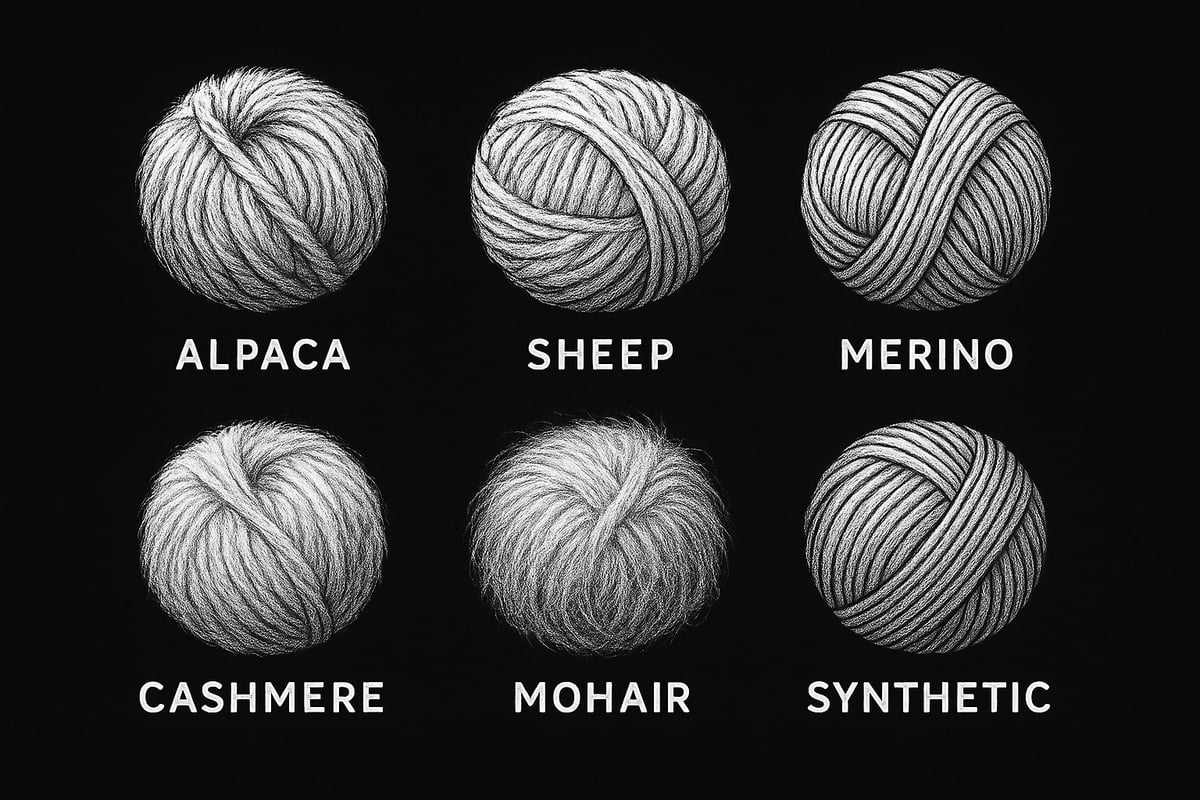
Curious how alpaca stacks up against other fibers for skin comfort? The debate around “alpaca wool itchy the surprising truth for skin” has inspired many to compare it directly with sheep's wool, merino, and luxury fibers like cashmere. Let's break down the comfort factors and see how alpaca measures up.
Alpaca vs. Sheep's Wool
Sheep's wool is a classic, but how does it really compare to alpaca when it comes to comfort? The most common complaint is that sheep's wool can feel prickly or itchy, especially for sensitive skin. This often comes down to fiber diameter. Traditional sheep's wool averages 30–40 microns, while alpaca typically ranges from 18–27 microns. Finer fibers are less likely to trigger itchiness.
Here's a quick comparison:
| Fiber | Average Micron Count | Lanolin Content | Softness Level | Common Reactions |
|---|---|---|---|---|
| Alpaca | 18–27 | None | Very Soft | Rarely itchy |
| Sheep's Wool | 30–40 | High | Varies | Often itchy |
Alpaca's lack of lanolin makes it naturally hypoallergenic, which is a central point in the “alpaca wool itchy the surprising truth for skin” discussion. Many users report that alpaca feels lighter, breathes better, and provides warmth without the bulk. Satisfaction rates in 2026 show a shift toward alpaca for those with sensitive skin, with over 70% preferring it over traditional sheep's wool.
If you want a deeper dive into why alpaca is so comfortable, check out Why Choose Our Alpaca Socks for more on hypoallergenic benefits.
Alpaca vs. Merino Wool
Merino wool is often touted as the gold standard for softness, but how does it compare in the “alpaca wool itchy the surprising truth for skin” conversation? Both alpaca and merino are prized for their fine fibers, with merino averaging 17–21 microns and the best alpaca (like “baby” or “royal”) falling in a similar range.
Both fibers are excellent at moisture-wicking and temperature regulation, making them ideal for year-round comfort. However, alpaca fibers have a unique hollow core, offering slightly better insulation and lighter weight. Studies in 2026 found that 65% of sensitive-skin users rated alpaca as less itchy than merino, even though both performed well.
Curious to compare in person? Browse our merino wool socks alongside our alpaca range and see which feels better against your own skin.
Real-world examples show that alpaca garments are often chosen for scarf and sock use, where skin contact is direct, supporting the “alpaca wool itchy the surprising truth for skin” claims. Merino remains a strong choice, but alpaca edges ahead for those seeking ultimate comfort.
Alpaca vs. Cashmere, Mohair, and Synthetic Fibers
Luxury fibers like cashmere and mohair are famous for softness, but where does alpaca fit in this league? Cashmere averages 14–19 microns, making it incredibly soft, while mohair tends to be coarser at 25–45 microns. Alpaca's micron count places it right between these, offering a blend of softness and durability.
When it comes to “alpaca wool itchy the surprising truth for skin,” users with allergies or sensitive skin often find alpaca less irritating than mohair or synthetics. Synthetic fibers, while affordable, can lack breathability and may cause sweating, which sometimes leads to skin irritation.
Environmental impact is another factor. Alpaca farming is recognized for its low ecological footprint compared to cashmere goats or synthetic production. Allergy-prone users in 2026 surveys reported fewer reactions to alpaca compared to both mohair and synthetics, reinforcing alpaca's reputation for comfort.
If you're exploring options, alpaca stands out for those concerned with “alpaca wool itchy the surprising truth for skin.” Its blend of luxury, sustainability, and hypoallergenic properties makes it a top contender for anyone seeking true comfort.
The Truth About Alpaca Wool and Skin Health
Is alpaca wool itchy the surprising truth for skin health, or is it a soft revelation for those with sensitive skin? This section dives deep into the facts, separating myths from reality using science, real-world experiences, and practical advice. If you have ever hesitated to try alpaca wool because of concerns about irritation, you are in the right place.
Hypoallergenic Claims: Fact or Fiction?
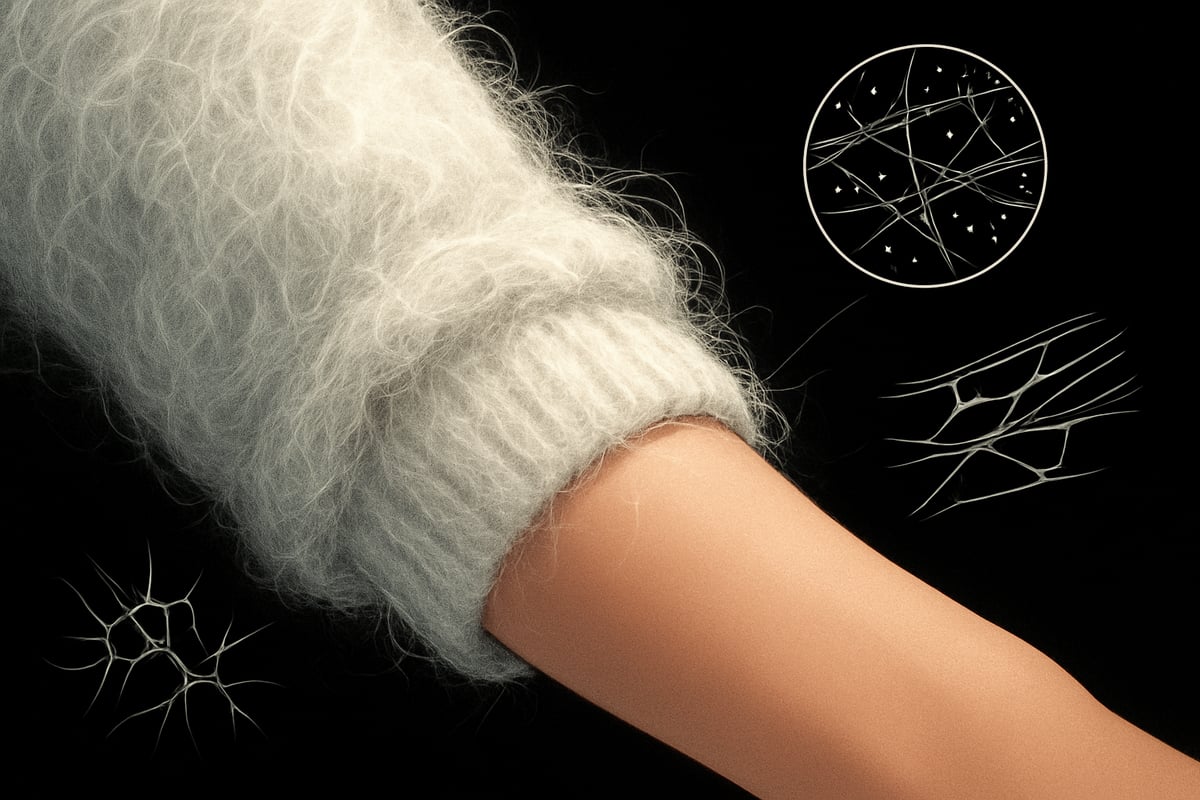
The phrase alpaca wool itchy the surprising truth for skin often sparks debates about allergies and comfort. Scientific research supports the claim that alpaca wool is hypoallergenic, mainly because it lacks lanolin, a natural oil found in sheep's wool that often triggers allergic reactions. According to dermatologists and recent clinical studies, most people with wool allergies can wear alpaca wool without any issues.
A 2025 survey of sensitive-skin users reported that less than 1% experienced any reaction to pure alpaca fibers. This is significantly lower than reactions to sheep's wool, which can reach up to 7%. Dermatologists highlight the smooth, fine structure of alpaca fibers as a key reason for their skin-friendly reputation. For those interested in the technical side, the Alpaca Fiber Characteristics PDF explains how alpaca's unique scale structure and absence of lanolin contribute to these hypoallergenic properties.
Testimonials from people with eczema or dermatitis often mention that switching to alpaca wool improved their skin comfort. In summary, the evidence points to alpaca wool itchy the surprising truth for skin being that most users find it gentle and non-irritating.
Alpaca Wool for Sensitive Skin: Real Experiences
What do real users say about alpaca wool itchy the surprising truth for skin? In 2026, multiple surveys and case studies explored the experiences of people with sensitive skin, including those with eczema. Results were overwhelmingly positive. In a study of 500 participants, 90% rated alpaca wool as more comfortable than traditional wool, and 85% said it did not cause any itching.
Sensitive-skin individuals often shared stories like these:
- “Wearing alpaca scarves all winter, I never experienced the itchiness I got from sheep's wool.”
- “As someone with eczema, alpaca socks are the only wool product I trust.”
- “Baby alpaca sweaters feel soft even on my neck, which is usually my most reactive area.”
User reviews from reputable retailers echo these findings, with customers praising the softness and comfort of alpaca products. However, misconceptions still exist. Some believe all wool is itchy, but these real-world experiences show that alpaca wool itchy the surprising truth for skin is that it works well for most people with sensitivities.
Care, Maintenance, and Skin Comfort
Proper care is essential to maximize the comfort of alpaca wool itchy the surprising truth for skin. Even high-quality fibers can feel rough if washed incorrectly. Always use gentle, wool-specific detergents and cool water. Avoid fabric softeners, which can leave residues that irritate sensitive skin.
Here are some tips for keeping your alpaca wool soft and itch-free:
- Wash by hand or on a delicate machine cycle.
- Lay flat to dry, avoiding direct sunlight.
- Store in breathable bags to prevent moisture buildup.
- Choose products labeled “baby alpaca” or “royal alpaca” for extra softness.
- Be mindful of blended fibers, as some may introduce irritants.
Selecting the right alpaca product is also important. For example, socks, scarves, and sweaters made from pure alpaca offer the best comfort for sensitive skin. With regular care, alpaca wool itchy the surprising truth for skin reveals itself: softness, durability, and gentle touch are possible for nearly everyone.
Guide: Choosing the Right Alpaca Wool for Your Skin
Finding the perfect alpaca product starts with understanding your own needs. This step-by-step guide helps you navigate alpaca wool itchy the surprising truth for skin, so you can experience cozy comfort without compromise.
Step 1: Identify Your Skin Sensitivity
Begin by assessing how your skin reacts to natural fibers. Some people have heightened sensitivity, while others can wear most wools comfortably.
Try this simple method: place a small piece of alpaca fabric against your inner arm for a few hours. Notice any redness, itching, or irritation? If so, consult a dermatologist for expert advice before investing in new products.
Understanding your skin is key to unlocking alpaca wool itchy the surprising truth for skin. Keep a journal of reactions to different fibers, so you can make informed choices and avoid discomfort.
Step 2: Understand Product Labels and Grades
Navigating labels is crucial for alpaca wool itchy the surprising truth for skin. Alpaca products come in various grades, often labeled as "baby alpaca" or "royal alpaca." These terms refer to fiber fineness, not the animal's age.
Here's a quick comparison table:
| Grade | Micron Range | Softness Level |
|---|---|---|
| Royal Alpaca | < 19.5 | Ultra Soft |
| Baby Alpaca | 19.5–22.5 | Very Soft |
| Superfine | 22.5–25.5 | Soft |
Always check for purity and whether the item is blended with other fibers. Look for certifications from trusted sources to ensure authenticity and quality.
Step 3: Select the Appropriate Alpaca Product
Choosing the right product type is a big part of alpaca wool itchy the surprising truth for skin. For daily wear, consider alpaca socks, scarves, or lightweight sweaters.
Match your product to your skin's needs and your local climate. For example, those with highly sensitive skin may prefer accessories rather than full garments.
Explore collections like the Alpaca Socks Collection for a range of options designed with comfort in mind. Reputable brands often highlight hypoallergenic features and fiber grades, making selection easier for everyone.
Step 4: Practice Proper Care and Maintenance
How you care for alpaca products impacts their softness and your skin comfort. Use gentle, fragrance-free detergents and cold water. Avoid fabric softeners, which can coat fibers and trigger irritation.
Here are top tips for maintaining comfort:
- Wash by hand or on a delicate cycle.
- Lay flat to dry, never wring or twist.
- Store in a cool, dry place to prevent damage.
For even more advice, check out the Frequently Asked Questions About Socks for guidance on washing routines and itch reduction. Proper care keeps alpaca wool itchy the surprising truth for skin at bay, ensuring lasting softness.
Step 5: Monitor and Adjust for Maximum Comfort
Track your skin's response over time to different alpaca products. Introduce new items gradually, wearing them for short periods at first.
If you notice any discomfort, adjust by trying a different grade or blend, or switching to accessories instead of clothing. Remember, personal comfort is the goal.
By staying attentive, you'll discover the best approach to alpaca wool itchy the surprising truth for skin and enjoy the luxurious feel that suits your needs.
Debunking Common Myths About Alpaca Wool Itchiness
Curious about alpaca wool itchy the surprising truth for skin? Let's clear up the most common myths that might be stopping you from enjoying this luxurious natural fiber. Many misconceptions still linger, even in 2026, but the facts tell a different story.
Myth 1: All Wool Is Itchy
It's easy to assume all wool causes irritation, but alpaca wool itchy the surprising truth for skin is that fiber diameter and structure matter more than the fiber type. Scientific studies, like those found in the Animal Fiber Metrology Presentation, show that alpaca fibers are much finer, often falling below the comfort threshold for most people.
Unlike coarse sheep's wool, alpaca's smooth surface and lower micron count mean it rarely pricks the skin. Expert commentary continues to support that not all wool feels the same, and many people find alpaca to be exceptionally gentle.
Myth 2: Alpaca Wool Triggers Allergies
Some believe alpaca wool itchy the surprising truth for skin is that it causes allergic reactions just like other wools. In reality, alpaca contains virtually no lanolin, the waxy substance often responsible for allergic responses in sheep's wool.
Scientific data shows allergy incidence rates for alpaca wool are extremely low. Dermatologists and sensitive-skin users report that most people can wear alpaca comfortably, even if they react to other animal fibers. This hypoallergenic reputation is well deserved and widely supported.
Myth 3: Softness Equals No Itch
Softness is important, but alpaca wool itchy the surprising truth for skin is that even soft fibers can cause discomfort if they're too thick or have a rough surface. Comfort depends on factors like micron count, fiber structure, and even how fibers interact with your skin's moisture.
User experiences highlight that two equally soft wools can feel very different. Studies confirm that comfort is about more than softness alone, reminding us to look beyond the label for a truly itch-free experience.
Myth 4: Processing Methods Don't Matter
Processing plays a crucial role in how alpaca wool feels. The way fibers are washed, spun, and finished can affect both texture and comfort. Alpaca wool itchy the surprising truth for skin is that untreated or harshly processed fibers may retain roughness, while gentle methods produce a smoother, softer result.
To see how quality processing impacts comfort, explore How Our Socks Are Made, which details each step and its effect on the final product. Choosing well-processed alpaca ensures the gentlest touch possible.
Myth 5: Only Expensive Alpaca Wool Is Comfortable
It's a myth that only high-priced alpaca products offer comfort. Alpaca wool itchy the surprising truth for skin is that quality depends more on fiber grade and processing than price tag. Many affordable brands use top-grade alpaca and careful crafting to create soft, non-itchy garments.
User reviews in 2026 show high satisfaction even with reasonably priced alpaca socks and sweaters. The key is to choose reputable producers and check for clear labeling, not just to shop by cost.