


Natural fibres are capturing the spotlight as the textile world seeks sustainable and high-performance alternatives. From the soft warmth of alpaca to the versatile comfort of merino, these fibres are transforming how we think about clothing and fabrics.
This guide to natural fibres form alpaca to merino offers a deep dive into what makes each fibre unique. You'll explore their origins, key benefits, and how they stack up in terms of sustainability and innovation.
Curious about the future of textiles? Discover how these fibres are shaping industry trends and learn practical tips to make informed, eco-friendly choices as we approach 2026.
Understanding Natural Fibres: Definitions and Origins
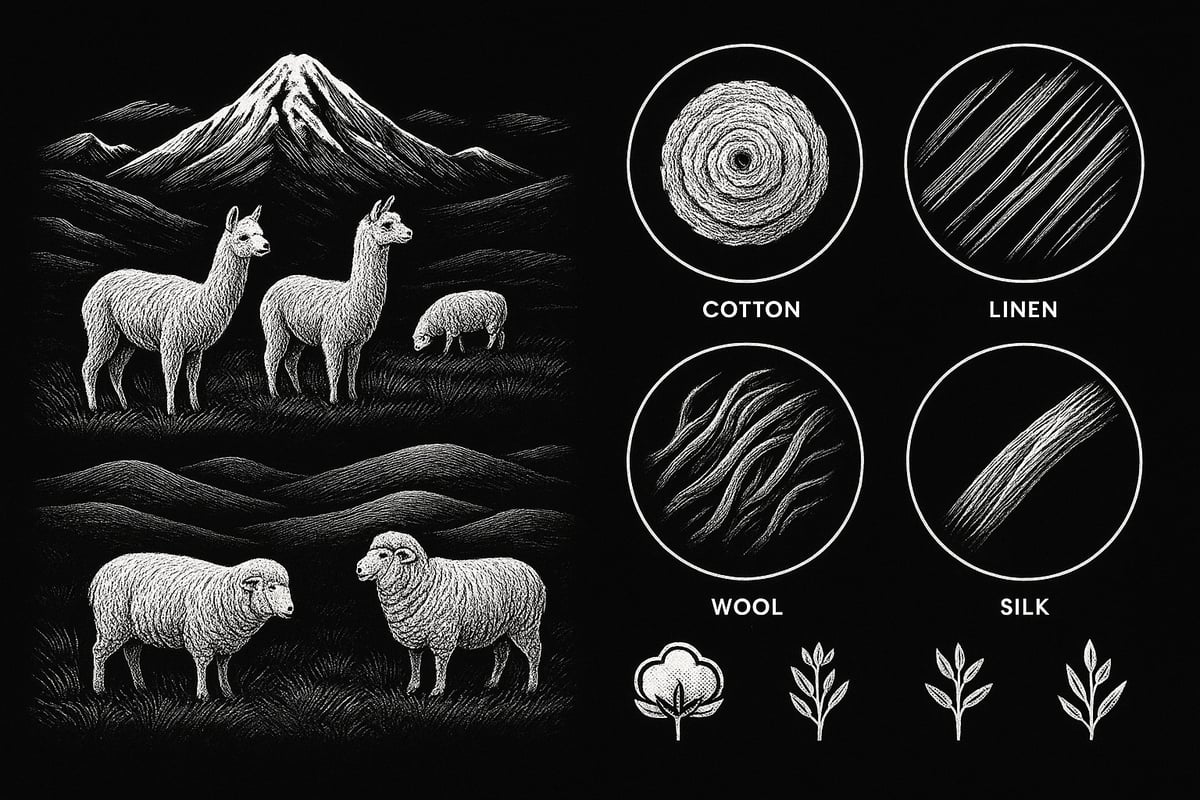
Natural fibres are at the heart of the guide to natural fibres form alpaca to merino, forming the backbone of countless textiles throughout history. These fibres come directly from nature and are classified into two main types: animal fibres (such as alpaca, merino, cashmere, and mohair) and plant fibres (like cotton and linen). Each category offers unique properties, making them valuable for different uses.
Historically, natural fibres have been spun, woven, and knitted into clothing, sacks, and household items for thousands of years. Civilizations prized fibres like linen in Egypt and wool in Europe for their versatility. Today, as explored in this guide to natural fibres form alpaca to merino, these materials are experiencing renewed popularity due to their sustainability and comfort.
| Fibre Type | Source | Example Fibres |
|---|---|---|
| Animal | Animals | Alpaca, Merino, Cashmere, Mohair |
| Plant | Plants | Cotton, Linen |
Choosing between these fibres often depends on the intended use and personal values, as highlighted by sustainability-focused brands like Why Choose Our Socks.
Origins and Sourcing Methods
The guide to natural fibres form alpaca to merino would not be complete without understanding where these fibres come from and how they are sourced. Alpaca is predominantly raised in the high-altitude regions of South America, especially Peru and Bolivia, where the unique climate and terrain contribute to the softness and durability of the fleece. Merino sheep thrive in the rolling hills of Australia and New Zealand, which are now the world’s leading producers of fine merino wool.
Other natural fibres have their own regional roots:
- Cashmere: Central Asia (notably Mongolia and China)
- Mohair: South Africa and Texas, USA
- Cotton: India, China, USA, Egypt
- Linen: Western Europe (France, Belgium, Netherlands)
Ethical sourcing is increasingly important in the guide to natural fibres form alpaca to merino. Many producers are adopting animal welfare standards, rotational grazing, and responsible land management. Certifications, such as the Responsible Alpaca Standard and Responsible Wool Standard, ensure that farming practices protect both animals and the environment.
Climate and terrain play a crucial role in fibre quality. Alpacas raised at high altitudes grow finer, warmer fleece, while merino sheep in temperate zones produce softer, more resilient wool. These regional factors are central to the unique qualities celebrated in the guide to natural fibres form alpaca to merino.
Fibre Structure and Characteristics
A key aspect of the guide to natural fibres form alpaca to merino is understanding how fibre structure impacts textile performance. Under the microscope, animal fibres like alpaca and merino display overlapping scales and natural crimps, which enhance elasticity and warmth. The diameter of these fibres (measured in microns) determines softness—finer fibres are softer and less likely to cause itchiness.
Plant fibres, such as cotton and linen, have a smooth, tubular structure. This gives them strength and breathability but generally less elasticity than animal fibres.
Here’s a quick comparison:
| Property | Animal Fibres (Alpaca, Merino) | Plant Fibres (Cotton, Linen) |
|---|---|---|
| Softness | High | Moderate to High |
| Warmth | Excellent | Moderate |
| Elasticity | Good | Low |
| Breathability | Good | Excellent |
This structural diversity is why the guide to natural fibres form alpaca to merino covers such a broad range of textile applications.
Global Production and Market Trends
The guide to natural fibres form alpaca to merino also explores shifts in global production and market preferences. Australia and New Zealand lead in merino wool, accounting for over 70% of global supply. Peru dominates alpaca fibre production, with millions of alpacas raised annually.
Demand for natural fibres is rising as consumers seek sustainable and ethical alternatives to synthetics. According to recent data, the natural fibre market is projected to grow at a steady rate through 2026, reflecting a shift toward eco-conscious purchasing.
Sustainability is now a key driver in the market. Brands are investing in traceable supply chains and transparent sourcing, aligning with values highlighted throughout this guide to natural fibres form alpaca to merino. As environmental awareness grows, so does the appeal of responsibly sourced alpaca, merino, and other natural fibres.
Alpaca Fibre: Properties, Benefits, and Uses
Alpaca fibre stands out in the guide to natural fibres form alpaca to merino for its blend of luxury, practicality, and sustainability. As more consumers seek premium, eco-friendly textiles, alpaca’s reputation continues to grow. Let’s explore what makes this fibre so special, why it’s a sustainable choice, and how it’s used in both fashion and function.
Unique Qualities of Alpaca Fibre
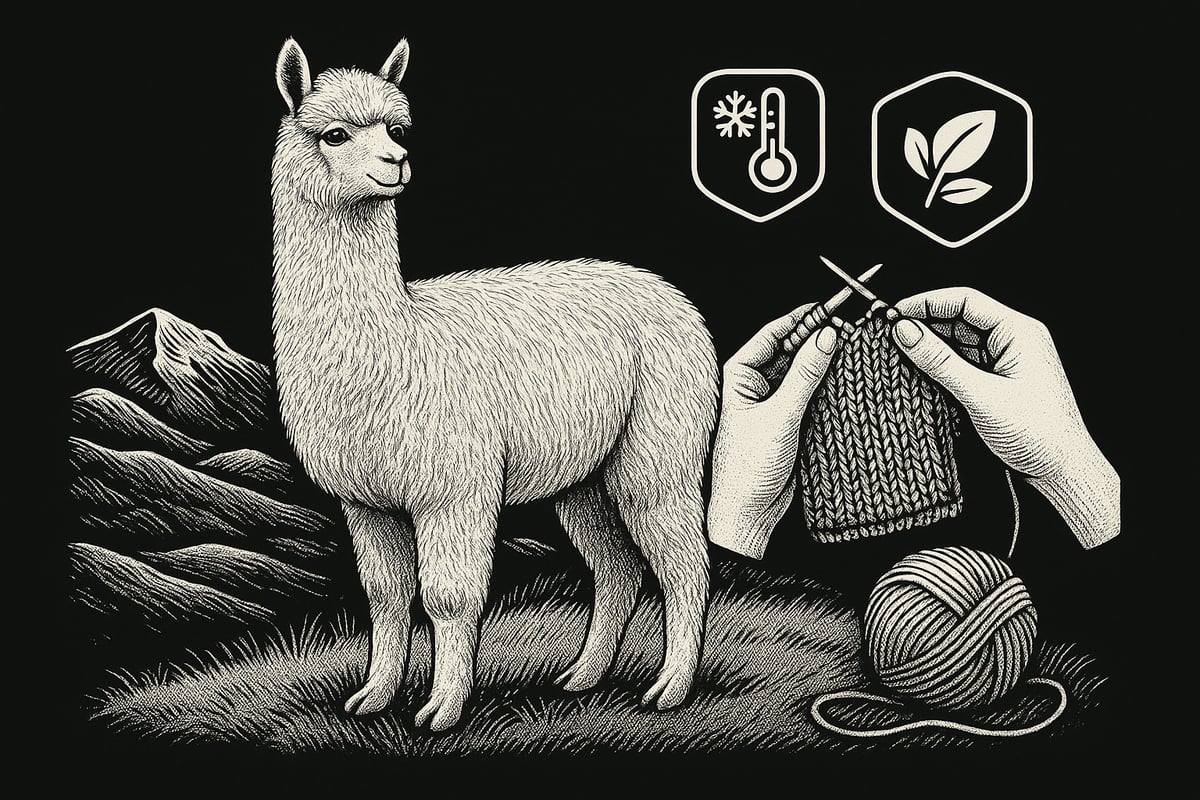
Alpaca fibre’s unique attributes place it front and center in any guide to natural fibres form alpaca to merino. Its softness rivals cashmere, yet it is stronger and more resilient, making it ideal for long-lasting garments. One of the standout features is its hypoallergenic nature, as alpaca contains no lanolin, making it suitable for sensitive skin.
Another advantage is the superior warmth-to-weight ratio. Alpaca fibre features microscopic air pockets, providing exceptional insulation without bulk. This means you stay warm in cold climates, yet the fibre’s breathability ensures comfort in milder weather.
Alpaca fibre is also moisture-wicking, drawing sweat away from the body and allowing it to evaporate quickly. Elasticity and natural durability enhance its performance in everyday and outdoor wear.
Here’s a quick comparison:
| Property | Alpaca | Merino Wool | Cotton |
|---|---|---|---|
| Softness | Very high | High | Moderate |
| Warmth-to-Weight | Superior | Excellent | Low |
| Hypoallergenic | Yes | No | Yes |
| Durability | High | High | Moderate |
All these qualities make alpaca a top choice for anyone following a guide to natural fibres form alpaca to merino.
Environmental and Ethical Considerations
Sustainability is a key reason alpaca fibre is highlighted in the guide to natural fibres form alpaca to merino. Alpacas graze gently, causing minimal damage to their environment. Their padded feet protect fragile grasslands, and their efficient grazing reduces overgrazing risks.
Ethical farming practices are increasingly the norm. Many producers adhere to strict animal welfare standards and seek certifications, such as the Responsible Alpaca Standard (RAS). These standards ensure humane treatment, sustainable land management, and transparency throughout the supply chain.
- Low-impact grazing
- Water-efficient farming
- Focus on animal welfare
- Certification for ethical and sustainable production
As demand grows, more farms are adopting these practices, aligning with the values outlined in the guide to natural fibres form alpaca to merino.
Applications in Textiles
Alpaca fibre’s versatility is showcased in a broad range of products, making it an essential material in the guide to natural fibres form alpaca to merino. Popular applications include:
- Socks, renowned for warmth and comfort
- Sweaters and cardigans for luxury and durability
- Blankets and throws that provide lightweight insulation
- Outdoor gear, including hats and gloves, ideal for varying climates
For those interested in high-quality, sustainable products, the Alpaca Socks Collection demonstrates how alpaca fibre excels in both everyday and performance wear. Leading brands and artisan makers are embracing alpaca for its balance of comfort, function, and eco-friendly appeal.
Market Insights and Consumer Trends
Recent years have seen alpaca fibre surge in popularity, a trend predicted to continue in the guide to natural fibres form alpaca to merino. Premium apparel brands are spotlighting alpaca for its hypoallergenic and sustainable benefits, making it a top choice for health-conscious and eco-aware consumers.
Data from market forecasts show a steady rise in demand, especially in the luxury segment. Alpaca products often command higher price points compared to other natural fibres due to limited supply and exceptional quality. Still, many see the investment as worthwhile, given the fibre’s longevity and performance.
These trends reinforce alpaca’s role in the guide to natural fibres form alpaca to merino, especially for those seeking responsible, high-performance fashion.
Challenges and Limitations
Despite its advantages, alpaca fibre faces some hurdles within the guide to natural fibres form alpaca to merino. Limited global supply restricts scalability, and price volatility can be a concern, especially with fluctuations in demand and production.
Consumer education remains a challenge. Many people are unaware of alpaca’s benefits or mistakenly believe it is similar to regular wool. Overcoming these misconceptions is crucial for broader adoption.
Brands and producers are working to address these issues, but it’s important to consider these factors when choosing alpaca in your guide to natural fibres form alpaca to merino journey.
Merino Wool: Performance, Versatility, and Innovations
Merino wool has earned a standout reputation in the guide to natural fibres form alpaca to merino. Its unique blend of softness, performance, and sustainability makes it a favorite for everyone from outdoor adventurers to luxury fashion fans. As we look toward 2026, merino wool continues to set the standard for natural fibre innovation and responsible sourcing.
Defining Merino Wool
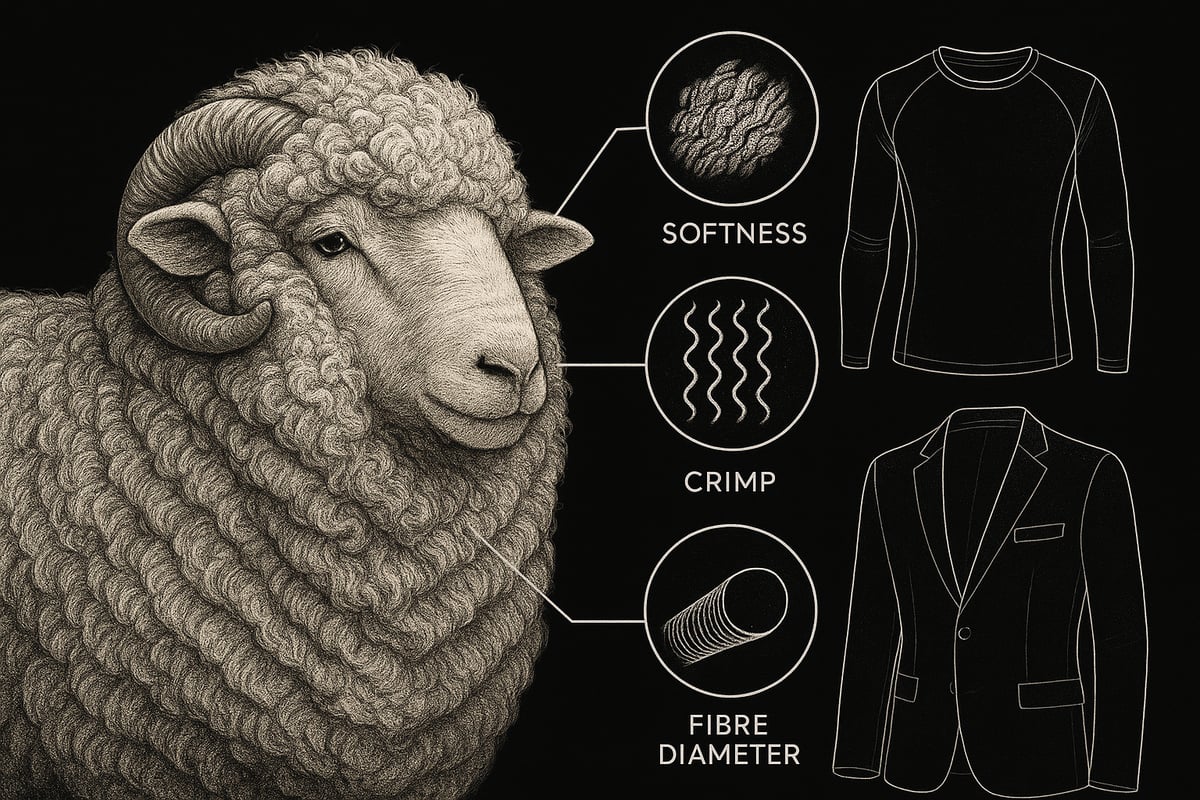
Merino wool comes from the merino sheep, renowned for producing some of the world's softest and finest wool. This sheep breed, originally from Spain but now mainly raised in Australia and New Zealand, is central to the guide to natural fibres form alpaca to merino.
The key to merino's superior quality lies in its fibre diameter. Merino wool typically measures between 15 and 24 microns, making it much finer than regular sheep wool, which can be over 30 microns. Finer fibres mean softer, less itchy garments.
| Wool Type | Average Micron | Texture | Common Uses |
|---|---|---|---|
| Merino | 15–24 | Ultra-soft | Base layers, socks, suits |
| Regular Wool | 30+ | Coarser, itchy | Outerwear, carpets |
Merino is prized for its comfort, making it a staple in high-performance and luxury textiles. This distinction is crucial for anyone using the guide to natural fibres form alpaca to merino to choose the best fibre for their needs.
Performance Benefits
Merino wool stands out in the guide to natural fibres form alpaca to merino for its exceptional performance features. Here’s what makes it a top choice:
- Temperature Regulation: Merino fibres trap air, keeping you warm in winter and cool in summer.
- Odour Resistance: The natural lanolin and unique structure help resist odour even after days of wear.
- Moisture Management: Merino can absorb up to 30 percent of its weight in moisture without feeling wet.
- Softness and Comfort: The fine micron count ensures comfort for sensitive skin, reducing itchiness.
- Longevity: Merino garments hold their shape and resist pilling over time.
These benefits make merino wool ideal for athletic wear, travel clothing, and everyday basics. Whether you are layering up for a mountain trek or seeking comfort for daily wear, the guide to natural fibres form alpaca to merino highlights merino’s unmatched versatility.
Sustainability and Animal Welfare
Sustainability is a key consideration in the guide to natural fibres form alpaca to merino, and merino wool has made notable strides. Responsible merino farming focuses on sustainable grazing, preserving soil health, and reducing environmental impact.
One ongoing concern is mulesing, a controversial practice aimed at preventing flystrike in sheep. Many producers now follow strict animal welfare guidelines and certifications like the Responsible Wool Standard (RWS) and ZQ Merino, ensuring humane treatment.
Merino’s lower environmental footprint compared to synthetics is another advantage. For a deeper dive into how merino production balances luxury with environmental responsibility, see Merino Wool Sustainability Practices.
Ethical sourcing and transparency are increasingly important for conscious consumers using the guide to natural fibres form alpaca to merino.
Innovations in Merino Processing
Recent years have seen exciting innovations in merino wool processing, a central topic in the guide to natural fibres form alpaca to merino. Advances in spinning make merino even softer and more durable. Blending merino with other fibres, such as Tencel or organic cotton, enhances breathability and stretch.
Eco-friendly dyeing methods and water-saving technologies are becoming industry standards. Merino-blend fabrics are now common in sportswear, offering moisture management and temperature control for active lifestyles.
Luxury brands are also experimenting with seamless knitting and 3D shaping, reducing waste and improving fit. These innovations ensure merino remains at the forefront of both fashion and function, as outlined in the guide to natural fibres form alpaca to merino.
Market Growth and Consumer Appeal
The global demand for merino wool is rising, reflecting trends highlighted in the guide to natural fibres form alpaca to merino. Between 2024 and 2026, more consumers are choosing merino for its comfort, sustainability, and premium feel.
Merino’s adoption spans outdoor apparel, athletic gear, and luxury fashion. Brands position merino as a high-value, long-lasting investment, with pricing reflecting its quality and ethical sourcing.
As awareness of sustainability grows, merino’s appeal only strengthens. The guide to natural fibres form alpaca to merino shows that merino is not just a trend but a key material for the future of textiles.
Comparing Alpaca and Merino: Performance, Comfort, and Suitability
When exploring the guide to natural fibres form alpaca to merino, understanding how these fibres stack up side by side is essential. Both fibres are popular for their luxury feel and performance, but their unique properties set them apart in practical ways.
Fibre Properties Side by Side
Let’s break down the essential characteristics of alpaca and merino using a comparison table. This is a key aspect of any guide to natural fibres form alpaca to merino.
| Property | Alpaca | Merino |
|---|---|---|
| Softness | Exceptionally soft | Very soft, especially fine grades |
| Warmth | Higher warmth-to-weight | Excellent, but slightly less |
| Moisture Wicking | Naturally high | High, with quick drying |
| Durability | Strong, resists pilling | Flexible, good longevity |
| Elasticity | Moderate | High, retains shape well |
| Allergy Friendly | Lanolin-free, hypoallergenic | Some lanolin, usually gentle |
Alpaca fibre is renowned for being hypoallergenic and warmer gram-for-gram, while merino stands out for its elasticity and ability to spring back after stretching. Both offer moisture management, but alpaca’s hollow fibres provide a unique insulating advantage.
Comfort and Wearability
Comfort is a driving force in the guide to natural fibres form alpaca to merino. Alpaca feels silky and rarely causes itchiness, making it ideal for sensitive skin. Merino is also soft, but some users with extreme sensitivity may notice mild irritation with lower-grade merino.
Both fibres excel in breathability. Alpaca garments are perfect for cold, dry climates, while merino adapts well to varying temperatures, making it a favorite for both winter and summer wear. User testimonials often praise alpaca’s plushness for cozy layers and merino’s versatility for active lifestyles.
Environmental and Ethical Impact
Sustainability is a core topic in any guide to natural fibres form alpaca to merino. Alpaca farming typically has a lower environmental footprint due to gentle grazing habits and efficient water use. Merino sheep can have a higher impact, particularly if overstocked, but improved grazing management is reducing this.
Animal welfare is crucial for both fibres. Alpaca farms increasingly follow ethical standards, while merino producers are adopting certifications like RWS and ZQ Merino to ensure humane treatment. Traceability and eco-certifications are helping consumers make more conscious choices.
Cost, Availability, and Value
Cost and accessibility are important when choosing between fibres in the guide to natural fibres form alpaca to merino. Alpaca fibre is more exclusive, often commanding higher prices due to limited supply and the meticulous care required for quality production. Merino is more widely available, with a broader price range to suit different budgets.
Market trends show rising demand for both, with alpaca apparel forecasted to grow at a 7.8% CAGR through 2034, according to the Alpaca Apparel Market Growth Forecast. Value for money depends on use—alpaca for premium warmth and comfort, merino for all-around performance.
Choosing the Right Fibre for Your Needs
Selecting the best option from the guide to natural fibres form alpaca to merino depends on your climate, activity level, skin sensitivity, and budget.
- For cold, dry weather or hypoallergenic needs, choose alpaca.
- For active use, layering, and versatility, merino is a top pick.
- If sustainability and ethical sourcing are priorities, look for certified products from both categories.
Consider your daily routine and comfort preferences to make the most informed choice for your wardrobe.
The Future of Natural Fibres: Trends and 2026 Insights
The future of natural fibres is set for remarkable transformation as we approach 2026. In this guide to natural fibres form alpaca to merino, we explore how new technologies, shifting consumer values, and sustainability initiatives are shaping the industry. Let’s break down the trends, projections, and practical steps you can take to make informed fibre choices.
Sustainability and Circularity in Fibre Production
Sustainability is driving change across the textile world. Closed-loop systems are being adopted, allowing fibres like alpaca and merino to be reused and recycled, reducing waste at every stage. Regenerative agriculture is gaining traction, with farms focusing on soil health, biodiversity, and carbon capture.
Industry standards and certifications, such as the Responsible Alpaca Standard and Responsible Wool Standard, are helping consumers trust fibre origins. In any guide to natural fibres form alpaca to merino, understanding these certifications is essential for making eco-conscious decisions.
Technological Advancements
Innovation is accelerating in natural fibre processing. Smart textiles, which blend technology with natural fibres, are being developed for performance apparel and health monitoring. Biodegradable and compostable textiles are entering the mainstream, helping to close the loop and reduce landfill impact.
Fibre blending and enhanced finishing techniques are making alpaca and merino products more versatile than ever. For anyone following a guide to natural fibres form alpaca to merino, these advancements promise better comfort, durability, and environmental impact.
Market Projections and Consumer Preferences
Demand for sustainable and ethical textiles is surging. Projections for 2024 to 2026 show significant growth in the global wool market, especially for premium fibres. According to Sheep Wool Market Analysis 2025-2034, consumer interest in merino and alpaca is at an all-time high.
Luxury and mainstream segments alike are seeking quality, traceability, and eco-friendly credentials. This guide to natural fibres form alpaca to merino highlights how consumer preferences are reshaping the market.
Challenges Facing the Industry
Despite positive trends, the industry faces hurdles. Supply chain disruptions, often due to climate change or geopolitical issues, can impact fibre availability and pricing. Counterfeit and mislabelled products are a growing concern, making transparency vital.
Scalability is another challenge, as sustainable practices must expand without sacrificing quality or animal welfare. Any guide to natural fibres form alpaca to merino must acknowledge these obstacles while offering hope for solutions.
Case Studies: Brands Leading the Way
Several brands are setting new standards in sustainability and innovation. They collaborate directly with farmers, invest in transparent sourcing, and pioneer new technologies for processing and dyeing. Partnerships between fibre producers and tech companies are resulting in traceable, high-performance products.
These examples in the guide to natural fibres form alpaca to merino show that industry change is possible when ethics and innovation go hand in hand.
Practical Tips for Consumers
Want to make better choices? Look for certifications, such as RWS or the Responsible Alpaca Standard, when shopping for natural fibre products. Learn to identify genuine alpaca and merino by touch and label.
Proper care extends product life: gentle washing, air drying, and storing away from sunlight help. This guide to natural fibres form alpaca to merino empowers you to choose quality, sustainable goods for your wardrobe.
The Cambridge Sock Company: Premium Natural Fibre Socks
For those seeking everyday luxury, The Cambridge Sock Company offers premium socks crafted from alpaca and merino. British-made, these socks blend sustainability and comfort, making them a standout in any guide to natural fibres form alpaca to merino. Discover their range for both outdoor adventures and daily wear.
Beyond Alpaca and Merino: Other Notable Natural Fibres
In this section of our guide to natural fibres form alpaca to merino, we highlight other luxurious and sustainable fibres shaping the textile landscape. While alpaca and merino steal the spotlight, fibres like cashmere, mohair, bamboo, linen, and cotton bring their own unique strengths and stories to the table. Let’s explore how these fibres are making waves in 2026.
Cashmere: Luxury and Softness
Cashmere remains a symbol of luxury in the guide to natural fibres form alpaca to merino. Sourced from the soft undercoat of cashmere goats, mostly in Mongolia and China, this fibre is painstakingly combed during the spring moulting season.
Cashmere is prized for its unmatched softness, lightweight warmth, and natural sheen. It is three times more insulating than sheep’s wool, yet feels almost weightless. Common uses include high-end sweaters, scarves, and accessories.
The global market for cashmere continues to grow, with consumers seeking both traditional and innovative products. For those looking to experience the ultimate in softness, the Cashmere Socks Collection offers premium comfort and style. As demand rises, responsible sourcing and sustainability are top priorities for brands and consumers alike.
Mohair: Durability and Shine
Mohair, another standout in the guide to natural fibres form alpaca to merino, is harvested from Angora goats. These goats are mainly raised in South Africa and Texas, where their long, lustrous hair is sheared twice a year.
Mohair’s signature traits are its sheen, strength, and elasticity. It resists creasing, dyes beautifully, and offers exceptional durability for both apparel and home textiles. Sweaters, suits, and upholstery fabrics often feature mohair for its distinctive look and feel.
Sustainability is gaining momentum in mohair production, with ethical treatment of animals and land stewardship becoming industry standards. This fibre’s resilience and shine make it a favorite among designers and eco-conscious consumers alike.
Bamboo: Eco-Friendly Alternative
Bamboo is rapidly gaining attention in the guide to natural fibres form alpaca to merino due to its environmental advantages. This fast-growing grass requires minimal water and no pesticides, making it a renewable resource with a small ecological footprint.
Bamboo fibres are celebrated for their softness, breathability, and natural antibacterial qualities. They wick moisture away from the skin, making them ideal for socks, underwear, and activewear.
When sourced and processed responsibly, bamboo can be an excellent sustainable choice. Certifications and transparency in manufacturing are crucial to ensure genuine eco-friendliness, as some processing methods may use chemicals. Look for certified bamboo textiles to maximize benefits for both the planet and your wardrobe.
Linen and Cotton: Plant-Based Staples
Linen and cotton are essential plant-based fibres in any guide to natural fibres form alpaca to merino. Linen comes from flax plants and cotton from cotton bolls, both cultivated worldwide.
Here’s a quick comparison:
| Fibre | Key Properties | Common Uses | Sustainability Highlights |
|---|---|---|---|
| Linen | Cool, strong, quick-dry | Summer clothing, home textiles | Grows well with little pesticide, biodegradable |
| Cotton | Soft, absorbent, versatile | Everyday apparel, bedding | Organic and recycled options growing |
Both fibres are evolving with innovations in organic farming and recycling. Choosing organic or recycled cotton, and linen from certified sustainable sources, helps reduce water use and chemical impact.
Blending Natural Fibres for Performance
Blending is a trend gaining traction in the guide to natural fibres form alpaca to merino. By combining fibres like alpaca, merino, bamboo, or mohair, manufacturers create textiles that harness the best qualities of each.
Benefits of fibre blends include:
- Enhanced softness and comfort
- Improved durability and resilience
- Better moisture management and temperature regulation
For example, an alpaca-merino blend offers warmth, breathability, and elasticity, making it ideal for socks and outdoor wear. Leading brands are experimenting with blends to deliver high-performance, sustainable products for the modern consumer.
Global Shifts in Natural Fibre Adoption
The global landscape for natural fibres is evolving, as highlighted in this guide to natural fibres form alpaca to merino. Regions like Asia, South America, and parts of Africa are becoming key production hubs for various fibres.
Governments are supporting sustainable agriculture and eco-friendly textile initiatives from 2024 to 2026. Consumer education and advocacy are also on the rise, encouraging more people to choose natural over synthetic materials.
As awareness grows, so does the emphasis on transparency, traceability, and responsible sourcing. These shifts are reshaping the future of fashion and textiles worldwide.