


Eco-friendly fashion is on the rise across the UK, and shoppers are making conscious choices even with everyday basics like socks. Natural fibre socks are now reshaping the natural fibre socks uk market, bringing together comfort, health, and sustainability in every step.
Switching to natural fibre socks uk offers more than just a soft feel. These socks can improve your well-being and help reduce your environmental footprint.
This guide is your go-to resource for natural fibre socks uk in 2026. We will compare fibre types, explore their environmental impact, highlight health benefits, review top UK brands, share buying and care tips, and look ahead to future trends.
Whether you want comfort, style, or to make an eco-conscious choice, you are in the right place.
What Are Natural Fibre Socks? Types, Materials, and Benefits
Natural fibre socks uk are quickly becoming a staple for those seeking comfort and sustainability in their daily wardrobe. As more people in the UK look for alternatives to synthetic fabrics, the appeal of natural materials is clear. But what exactly sets these socks apart?
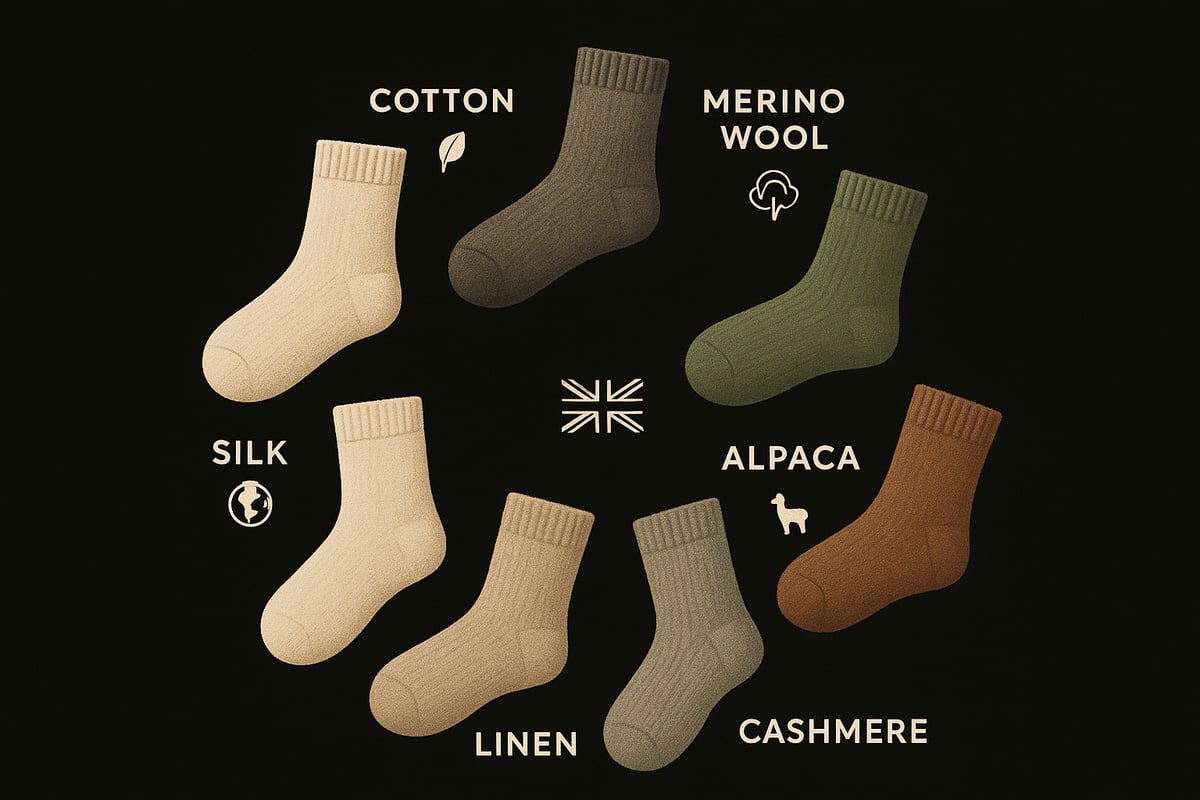
Natural fibre socks uk are made from fibres sourced directly from plants or animals, rather than petroleum-based synthetics like polyester or nylon. Popular materials include organic cotton, merino wool, bamboo, alpaca, cashmere, silk, and linen. Each fibre brings unique qualities to the table, making these socks stand out in terms of both feel and function.
Let’s break down some of the most common fibres:
- Organic Cotton: Soft, breathable, and gentle on skin. Grown without harmful pesticides, making it an eco-friendly choice.
- Merino Wool: Known for temperature regulation, moisture-wicking, and natural odour resistance. Ideal for all seasons.
- Alpaca: Luxuriously soft, hypoallergenic, and incredibly warm. Great for sensitive feet and colder months.
- Bamboo: Highly breathable, moisture-absorbing, and naturally antibacterial. Perfect for active lifestyles.
- Cashmere: Exceptionally soft and insulating, typically blended for durability.
- Silk: Lightweight, smooth, and excellent for layering or dress socks.
- Linen: Durable and cool, offering excellent breathability for warmer climates.
Blends are also popular in natural fibre socks uk. Combining fibres like wool-cotton or cotton-linen balances softness, durability, and performance for everyday or specialist uses.
Certifications play a key role in ensuring the authenticity and safety of these socks. Look for labels such as GOTS (Global Organic Textile Standard) or OEKO-TEX, which confirm the socks are free from harmful substances and meet strict environmental criteria. These certifications give peace of mind, especially for those with allergies or sensitive skin.
The benefits of natural fibre socks uk extend far beyond comfort. Compared to synthetic socks, they excel in breathability, moisture management, and odour control. Many wearers notice fewer issues with sweating or irritation. For those with eczema, diabetes, or skin sensitivities, natural fibres are often recommended by dermatologists.
Here’s a quick comparison:
| Feature | Natural Fibres | Synthetics |
|---|---|---|
| Breathability | Excellent | Moderate to Poor |
| Odour Control | Natural resistance | Prone to odour |
| Skin Sensitivity | Hypoallergenic options | Can cause irritation |
| Eco Impact | Biodegradable, renewable | Non-biodegradable |
| Comfort | Soft, temperature-regulating | Can feel plasticky |
For more on the specific advantages, see this Benefits of natural fibre socks resource, which explores why these materials are a step ahead for your feet.
The rise of natural fibre socks uk is also linked to a resurgence in British textile craftsmanship. Traditional mills and skilled knitters are blending old-world techniques with modern eco values. Blends such as wool-cotton or cotton-linen are crafted for specialist uses—think hiking, lounging, or all-day wear.
Market data reflects this shift. According to industry reports, natural fibre socks now account for over 20% of the UK sock market, a figure expected to grow as consumers prioritise sustainability and comfort.
Natural fibre socks uk combine the best of nature and tradition, offering a smart, comfortable, and environmentally conscious choice for every sock drawer.
The Environmental Impact: Why Natural Fibre Socks Are the Eco-Friendly Choice
Eco-conscious shoppers across the UK are increasingly turning to natural fibre socks uk for a more sustainable wardrobe. But what makes these socks the better choice for both the planet and your feet? The answer lies in the origins, production, and end-of-life journey of the materials used.
The Sustainability of Natural Fibres
Natural fibre socks uk are crafted from materials like organic cotton, merino wool, alpaca, and bamboo. These fibres are renewable, meaning they can be regrown season after season. They are also biodegradable, naturally breaking down in soil without leaving harmful residues or microplastics.
In contrast, synthetic socks are made from petroleum-based materials such as polyester and nylon. These require fossil fuels, generate significant carbon emissions, and can linger for centuries in landfills. A single wash of synthetic socks can release microplastics into waterways, contributing to global pollution that harms marine life and enters the food chain.
The production of natural fibre socks uk typically uses less energy and water than synthetic alternatives. Organic farming methods, often used for cotton and wool, avoid toxic pesticides and promote biodiversity, healthier soils, and water conservation.
To illustrate the difference, consider this table:
| Feature | Natural Fibres | Synthetic Fibres |
|---|---|---|
| Renewability | Yes | No |
| Biodegradability | Yes | No |
| Carbon Footprint | Low | High |
| Microplastic Pollution | None | Yes |
According to UK government data, textiles are a significant source of landfill waste, and microplastic pollution from synthetics is a growing concern. Choosing natural fibre socks uk is a practical way to reduce your environmental footprint while supporting sustainable agriculture.
Certifications, Ethical Sourcing, and Fair Trade
When shopping for natural fibre socks uk, look for trusted certifications like GOTS (Global Organic Textile Standard), Fairtrade, and the Soil Association. These labels guarantee that fibres are grown and processed with strict environmental, social, and animal welfare standards.
Traceability is key. Ethical brands provide transparency about where their fibres are sourced, often working with UK or European farms that prioritise regenerative practices and animal care. Fair trade initiatives ensure that farming communities receive fair pay, safe working conditions, and support for local development.
For deeper insight into how ethical and sustainable choices shape the sock industry, see this guide on ethical and sustainable socks.
Many leading UK brands focus on ethical sourcing, from British wool to responsibly grown bamboo. By choosing certified natural fibre socks uk, you directly support better livelihoods for farmers, healthier animals, and a cleaner environment.
Packaging and End-of-Life Considerations
Sustainability does not end at production. Natural fibre socks uk brands are adopting eco-friendly packaging, often using recycled content, compostable materials, or minimal designs to cut waste. Plastic-free packaging is becoming the norm, reflecting consumer demand for greener choices.
When your socks reach the end of their life, natural fibres can be recycled or composted, returning nutrients to the earth instead of clogging landfills. Check local recycling guidelines, as some UK councils accept textiles for recycling, while others recommend composting pure natural socks.
Responsible brands are also exploring zero-waste and closed-loop systems, where worn socks are collected and repurposed into new products. By choosing natural fibre socks uk and disposing of them thoughtfully, you help close the loop and reduce textile waste.
Health and Comfort: The Benefits of Wearing Natural Fibre Socks
Choosing the right socks goes beyond fashion. In the UK, more people are discovering how natural fibre socks uk options offer a remarkable difference in daily comfort and foot health. These benefits range from skin-friendly materials to advanced moisture management and long-lasting wear.
Skin Health and Hypoallergenic Properties
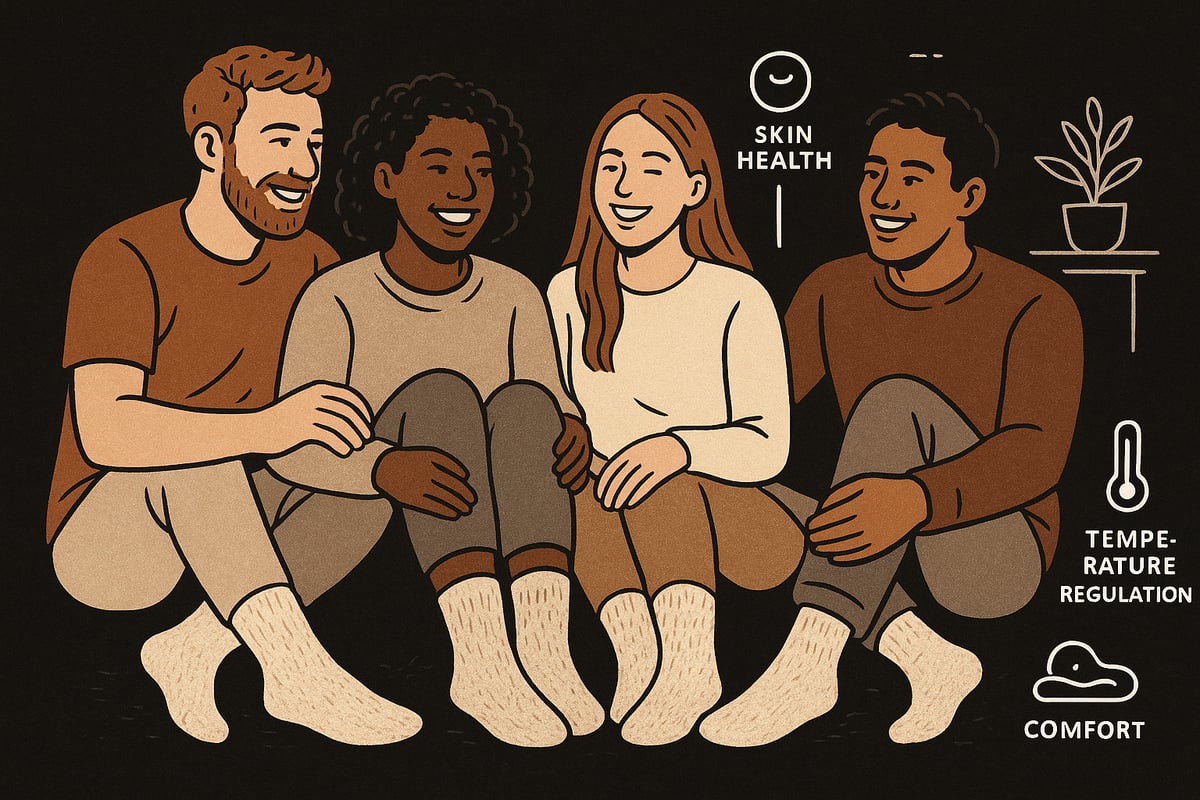
Natural fibre socks uk are a top choice for those with sensitive skin or allergies. Unlike synthetic socks, which often contain harsh chemicals or plastics, natural fibres like organic cotton, bamboo, and merino wool are less likely to cause irritation. This makes them ideal for people prone to eczema, dermatitis, or other skin sensitivities.
Many synthetic socks can trap sweat, leading to odour, rashes, or fungal infections. In contrast, natural fibres allow your skin to breathe. They wick moisture away from your feet, reducing the risk of blisters and bacterial growth. Dermatologists often recommend natural fibre socks uk for people with diabetes, as they help maintain a healthy environment for delicate skin.
Parents often choose natural fibre socks for children, knowing the materials are gentle and free from toxic dyes. For anyone with allergies, hypoallergenic properties provide peace of mind. The absence of rough seams or harsh elastic also means less friction and improved comfort throughout the day.
Temperature Regulation and Moisture Management
One of the standout features of natural fibre socks uk is their ability to regulate temperature. Merino wool and alpaca fibres are especially renowned for keeping feet warm in winter yet cool in summer. This thermal adaptability comes from the natural structure of the fibres, which trap air and manage heat efficiently.
In terms of moisture management, bamboo and linen are champions. These fibres pull moisture away from the skin, keeping feet dry even during intense activity. Whether you are hiking, running, or simply on your feet all day, natural fibre socks uk help prevent sweaty discomfort and reduce the risk of athlete’s foot.
Many users report that their feet feel fresher and less clammy compared to synthetic alternatives. This makes natural fibre socks a popular choice for athletes, outdoor enthusiasts, and those who spend long hours at work. Real-life reviews often mention how these socks improve foot health and overall comfort.
Durability, Odour Control, and Comfort
Natural fibre socks uk stand out for their durability and long-lasting wear. High-quality fibres like merino wool, alpaca, and organic cotton resist wear and tear better than many synthetic blends. With proper care, these socks can outlast standard pairs, saving money and reducing waste.
Odour control is another major benefit. Natural fibres have inherent antibacterial properties, meaning they resist the build-up of unpleasant smells. Unlike synthetic socks, which can harbour bacteria, natural fibre socks uk keep feet feeling fresh throughout the day.
Comfort features are equally impressive. Many brands design their socks with seamless toes, cushioned soles, and non-binding tops to maximise comfort and reduce pressure. Customer feedback often highlights how these socks remain soft and supportive after repeated washes, making them a smart investment for daily wellbeing.
Leading UK Brands and Where to Buy Natural Fibre Socks
The UK is home to a vibrant community of brands pioneering the natural fibre socks uk movement. These companies blend traditional craftsmanship with modern sustainability, offering socks that are as conscious as they are comfortable.
You will find a range of options, from heritage mills to innovative newcomers, all committed to eco-friendly production and ethical sourcing. Whether you are seeking everyday basics or luxurious blends, the natural fibre socks uk market has something for everyone.
Overview of Top UK Brands
Several standout brands lead the way in natural fibre socks uk. Each offers unique blends, manufacturing practices, and ethical credentials. Here is a quick comparison:
| Brand | Fibres Used | Certifications | UK Manufacturing | Price Range | Customer Rating |
|---|---|---|---|---|---|
| Cambridge Baby | Organic cotton, wool, alpaca | GOTS, OEKO-TEX | Yes | £7-£18 | 4.8/5 |
| Living Crafts | Organic cotton, wool | GOTS, Fairtrade | No | £6-£15 | 4.6/5 |
| Hirsch Natur | Wool, organic cotton | GOTS | No | £8-£20 | 4.7/5 |
| Lana Bambini | Alpaca, bamboo, cotton | OEKO-TEX | Yes | £10-£25 | 4.9/5 |
| Disana | Merino wool, cotton | GOTS | No | £9-£22 | 4.7/5 |
Cambridge Baby is recognised for its soft, hypoallergenic options, perfect for sensitive skin. Living Crafts and Hirsch Natur are favourites among eco-conscious shoppers who value certifications and fair trade. Lana Bambini excels in luxury blends, especially alpaca and bamboo, while Disana is renowned for its organic merino wool.
These brands all contribute to the growing natural fibre socks uk market, ensuring that eco-friendly choices are accessible across the UK. Many partner with local farms or mills and invest in biodegradable packaging, making them leaders in both quality and sustainability.
The Cambridge Sock Company: British Craftsmanship Meets Natural Comfort
Among the top names in natural fibre socks uk, The Cambridge Sock Company stands out for its dedication to British manufacturing and sustainable luxury.
This brand sources premium alpaca, merino wool, bamboo, and cashmere, creating socks known for their unmatched softness and lasting comfort. Production happens locally in England, where traditional knitting techniques ensure each pair meets high standards of quality and durability.
Their product range covers everything from ultra-soft bed socks to hard-wearing walking socks, stylish everyday pairs, and thoughtful gift bundles. Customers can enjoy perks like a 30-day return policy, free delivery on orders over £75, and an exclusive membership club for loyal shoppers.
The Cambridge Sock Company also receives consistently high customer ratings, with reviews praising the warmth, fit, and eco-friendly ethos of their socks. Real feedback highlights the difference that natural fibre socks uk make for comfort and sustainability, especially for those with sensitive feet.
Where to Buy: Online, Boutiques, and Eco Stores
Finding the best natural fibre socks uk is easier than ever, with a wealth of online and offline options to suit every preference.
Shop directly from brand websites for the most extensive selections and access to exclusive offers. Popular eco-specialist retailers and UK-based marketplaces also stock a wide range of certified natural fibre socks uk, making it simple to compare styles, fibres, and prices.
For a more personal touch, visit independent boutiques or sustainable lifestyle shops across the UK. Department stores are increasingly dedicating space to eco-friendly essentials, often highlighting brands with strong ethical credentials.
When shopping, look for clear certifications, detailed fibre content, and sizing guides. Reading customer reviews and checking return policies can help you make confident decisions. If you need more guidance on selecting the right pair for your needs, see this in-depth guide on choosing the best socks for you.
With so many reliable sources and expert advice, it is easy to find natural fibre socks uk that match your values, comfort requirements, and style.
How to Choose the Best Natural Fibre Socks for Your Needs
Choosing the right natural fibre socks uk can make all the difference to your daily comfort and environmental impact. With so many options on the market, it’s easy to feel overwhelmed. Let’s break down the essential factors so you can confidently pick the best pair for your lifestyle and values.
Factors to Consider: Purpose, Material, Fit, and Style
Start by thinking about why you need new socks. Are you looking for everyday comfort, sports performance, warmth for winter walks, or something to lounge in at home? The purpose will guide your material choice. For example, alpaca is superb for warmth, while bamboo excels in breathability.
Material matters. Each fibre used in natural fibre socks uk has unique properties:
| Fibre | Best For | Key Benefit |
|---|---|---|
| Merino Wool | All seasons, sports | Temperature control |
| Bamboo | Everyday, summer | Breathability |
| Alpaca | Cold weather | Softness, warmth |
| Organic Cotton | Daily wear | Soft, hypoallergenic |
Fit is just as crucial. Look for socks with the right size, gentle elasticity, and seamless toes to prevent irritation. Non-binding tops are ideal for those with sensitive legs or circulation issues.
Style also plays a role. Natural fibre socks uk come in various lengths, colours, and patterns. Whether you need ankle socks for trainers or knee-highs for boots, there’s a style for every occasion.
Understanding Labels and Certifications
When buying natural fibre socks uk, always check the product label. It should clearly list the fibre percentages, so you know what you’re getting. Look out for the country of origin, which can indicate quality and ethical standards.
Certifications matter. The Global Organic Textile Standard (GOTS), OEKO-TEX, and Fairtrade logos mean the socks meet strict environmental and ethical guidelines. These marks guarantee that your natural fibre socks uk are genuinely eco-friendly and free from harmful chemicals.
Be wary of vague marketing terms like “eco-friendly” without certification. True sustainable socks will display their certifications proudly. Familiarise yourself with care symbols too, so you know how to look after your socks and extend their lifespan.
Price vs. Value: Making an Informed Investment
Natural fibre socks uk may cost more upfront than synthetic alternatives, but consider the long-term value. High-quality natural socks last longer, feel better, and often require less frequent replacement.
Here’s a quick comparison:
| Feature | Natural Fibre Socks UK | Synthetic Socks |
|---|---|---|
| Upfront Price | Higher | Lower |
| Longevity | Excellent | Moderate |
| Cost-per-wear | Lower over time | Higher over time |
| Comfort | Superior | Varies |
Look for brands offering warranties, flexible return policies, or membership savings. Bundles and seasonal deals can also help you save. Remember, investing in natural fibre socks uk supports your well-being and the planet, making every pound count.
Caring for Your Natural Fibre Socks: Washing, Drying, and Longevity Tips
Taking care of your natural fibre socks uk is essential for keeping them soft, comfortable, and long-lasting. With just a little attention to washing, storage, and maintenance, you can extend the life of your favourite pairs and support a more sustainable wardrobe.
Best Practices for Washing and Drying
To keep your natural fibre socks uk in top shape, always check the care label first. Most cotton, bamboo, and wool socks do well on a gentle machine cycle with cool water, while delicate fibres like cashmere or silk prefer hand washing. Use a mild, eco-friendly detergent to avoid fibre damage and skin irritation.
When drying, skip the tumble dryer whenever possible. Instead, lay socks flat on a towel or drying rack, away from direct heat or sunlight. This helps preserve their shape and prevents shrinkage. For detailed, fibre-specific advice, check out this helpful Caring for natural fibre socks guide.
Never use bleach or fabric softeners, as these can weaken natural fibres and reduce breathability. Following these simple steps will help your natural fibre socks uk stay soft and strong after every wash.
Storage and Maintenance for Maximum Lifespan
Proper storage is key to protecting your natural fibre socks uk from stretching or moth damage. Always store socks clean and dry, folded gently in a drawer rather than balled up. Consider using breathable storage bags or boxes, and add lavender sachets or cedar blocks to deter moths naturally.
If you notice a small hole or worn patch, don’t toss the socks. Darning is a traditional, sustainable way to repair them and extend their life. For travel, use a dedicated sock bag to keep pairs together and prevent snagging.
Caring for your natural fibre socks uk not only saves money but also reduces waste, making your wardrobe more eco-friendly over time.
Troubleshooting Common Issues
Even with the best care, you might encounter some challenges with natural fibre socks uk. If you notice shrinkage, gently reshape the socks while damp and avoid hot water in future washes. Pilling can occur with wear, but a fabric comb or gentle hand-picking removes bobbles easily.
To freshen up socks, air them out regularly and sprinkle a little baking soda inside before washing. If your socks lose their softness, try soaking them in lukewarm water with a dash of white vinegar, then rinse thoroughly.
When socks are finally worn out, check if your local council offers textile recycling or composting for natural fibres. Many brands also offer take-back schemes for responsible disposal. Taking small steps like these ensures your natural fibre socks uk stay comfortable for longer and leave a lighter footprint on the planet.
The Future of Natural Fibre Socks in the UK: Trends for 2026 and Beyond
The landscape for natural fibre socks uk is evolving rapidly, blending tradition with innovation. As we look toward 2026, both manufacturers and consumers are driving a new era of eco-conscious sock choices. From technological advancements to shifting buying habits, the future is bright for those who value sustainability and comfort.
Innovations in Sustainable Sock Manufacturing
UK brands are pioneering new methods to make natural fibre socks uk even more sustainable. Closed-loop production systems are gaining traction, where waste is minimised and resources are reused within the manufacturing cycle. This not only reduces environmental impact but also keeps operations efficient.
Micro-mills and small-batch production are on the rise, supporting local economies and reducing transport emissions. These micro-mills often work closely with British farmers, sourcing alpaca, merino, or organic cotton directly, ensuring traceability.
Emerging fibres, such as hemp and regenerated cellulosic yarns, are being trialled for their low-impact growing needs and unique properties. Waterless dye technologies and natural colourants are replacing chemical dyes, further lowering ecological footprints.
UK sock makers are also investing in digital tracking, ensuring every pair of natural fibre socks uk can be traced back to its origin. This increases transparency and builds trust with eco-conscious shoppers.
The push for compostable and biodegradable materials is accelerating, with more brands focusing on end-of-life solutions. For a deeper dive into why natural fibres break down more easily and their benefits for the planet, see this overview on the biodegradability of natural fibers.
Consumer Trends: Demand, Awareness, and Fashion
Consumer interest in natural fibre socks uk is surging, with a clear shift toward slow fashion and mindful purchasing. UK shoppers are prioritising quality over quantity, embracing the "buy less, buy better" philosophy. This mindset supports longer-lasting socks made from premium natural fibres.
Collaborations between sock brands, UK designers, and eco-influencers are driving eco-fashion into the mainstream. As a result, natural fibre socks uk are now seen as both a practical essential and a stylish accessory. Expect to see more limited-edition collections and creative patterns that celebrate sustainability.
Awareness around microplastics and synthetic pollution is also making a difference. Consumers are seeking out certifications and transparent sourcing as proof of a brand's eco-credentials. According to recent data, the UK sock market is projected to see continued growth, with eco-friendly options gaining market share. For more on market revenue and projections, explore the UK socks market revenue in 2025.
Customer reviews highlight the comfort and health benefits of natural fibre socks uk, further fueling demand. As education increases, so does the expectation for both ethical practices and innovative design.
Policy, Regulation, and Industry Challenges
The push for greener fashion is backed by new UK and EU regulations targeting textile sustainability, transparency, and greenwashing. Natural fibre socks uk brands must now meet stricter guidelines on labelling, fibre content, and environmental claims.
Supply chain transparency remains a hurdle, especially for smaller producers who may lack resources for certification. Cost barriers are another challenge, as natural fibres and ethical manufacturing often require greater investment.
Consumer education is crucial. Many shoppers are still learning to distinguish truly sustainable products from those that only appear eco-friendly. Brands that lead in advocacy and innovation will have a competitive edge as these regulations tighten.
Government and NGO initiatives are supporting the shift toward sustainable textiles, offering funding and training for UK producers. As the industry adapts, natural fibre socks uk are poised to set new standards for comfort, ethics, and environmental responsibility.