


Walking enthusiasts know that proper footwear extends beyond quality boots or shoes. The socks you wear play an equally critical role in comfort, blister prevention, and overall foot health during short strolls or long-distance hikes. When exploring natural fiber options, many walkers ask: are alpaca socks good for walking? This question deserves a thorough examination, particularly as more outdoor enthusiasts discover the remarkable properties of alpaca fiber. Unlike synthetic materials that trap moisture and heat, alpaca wool offers a unique combination of thermal regulation, durability, and comfort that makes it an exceptional choice for walkers of all experience levels.
Understanding Alpaca Fiber Properties
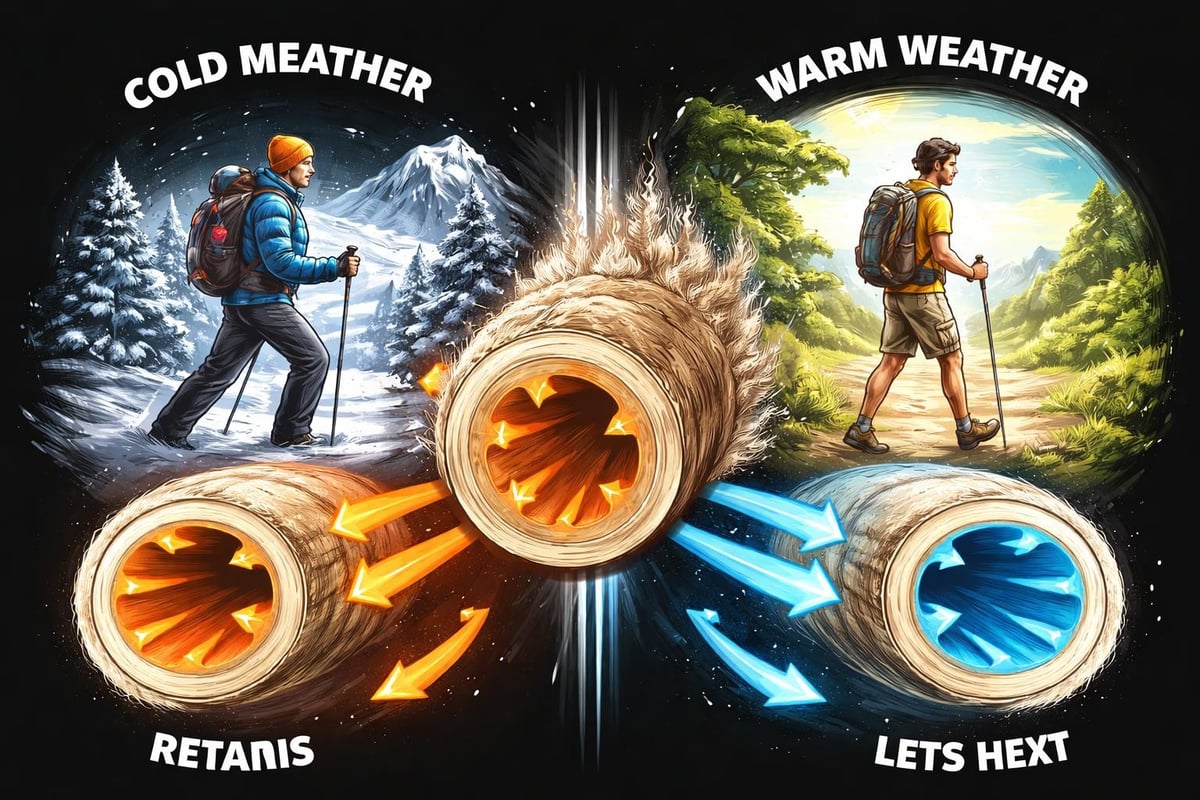
Alpaca fiber possesses distinctive characteristics that set it apart from other natural materials commonly used in sock construction. The hollow core structure of alpaca fibers creates tiny air pockets that provide exceptional insulation without adding bulk. This unique architecture allows the material to trap warm air close to your skin during cold weather while simultaneously releasing excess heat when temperatures rise.
Temperature Regulation for All Seasons
One of the most compelling reasons walkers choose alpaca socks relates to their superior thermoregulation capabilities. The fiber naturally adapts to changing conditions, keeping your feet warm in winter and surprisingly cool in summer. This adaptability stems from the same evolutionary advantages that protect alpacas in the Andes Mountains, where temperature fluctuations can be dramatic.
Key thermal properties include:
- Natural insulation through hollow fiber structure
- Heat retention without excessive bulk
- Breathability that prevents overheating
- Year-round comfort across temperature ranges
- Moisture vapor transmission for dryness
The question of whether are alpaca socks good for walking becomes clearer when you understand how temperature regulation impacts foot comfort during extended periods of activity. Your feet generate significant heat during walking, and managing that warmth while preventing moisture buildup directly affects blister formation and overall comfort.
Moisture Management and Blister Prevention
Moisture control represents one of the most critical factors in determining sock performance during walking activities. Alpaca fiber excels in this area through its natural moisture-wicking properties, which work differently than synthetic moisture-management systems. The fiber draws perspiration away from your skin and disperses it throughout the sock material, allowing it to evaporate more efficiently.
How Alpaca Handles Perspiration
Walking generates foot perspiration regardless of weather conditions. Even in cold environments, your feet produce moisture that needs proper management. Alpaca socks address this challenge through multiple mechanisms working simultaneously.
The fiber can absorb up to 30% of its weight in moisture before feeling damp to the touch. This remarkable capacity means your feet stay dry longer, even during intensive walking sessions. When comparing materials, alpaca versus wool socks reveals that alpaca performs slightly better in moisture management due to its smoother fiber surface and reduced water retention.
| Moisture Property | Alpaca | Merino Wool | Cotton |
|---|---|---|---|
| Absorption Capacity | 30% | 30% | 25% |
| Wicking Speed | Fast | Fast | Slow |
| Drying Time | Quick | Moderate | Slow |
| Moisture Feel | Dry | Slightly damp | Wet |
This superior moisture management directly impacts blister prevention. Blisters form when friction combines with moisture, creating the perfect conditions for skin damage. By keeping your feet drier, alpaca socks significantly reduce blister risk during long walks.
Softness and Comfort Considerations
The tactile experience of wearing socks matters tremendously during extended walking sessions. Are alpaca socks good for walking when it comes to all-day comfort? The answer lies in the exceptional softness of alpaca fiber, which measures finer than many traditional wool varieties.
Alpaca fiber contains no lanolin, the waxy substance found in sheep's wool that can cause irritation for sensitive skin. This natural hypoallergenic quality makes alpaca an excellent choice for walkers who experience discomfort with traditional wool socks. The smooth fiber surface creates less friction against your skin, contributing to both comfort and blister prevention.
Cushioning and Impact Absorption
Beyond softness, the natural elasticity of alpaca fiber provides gentle cushioning that absorbs impact during each step. This becomes particularly valuable during long-distance walking or when traversing uneven terrain. The fiber compresses slightly under pressure then rebounds, creating a subtle cushioning effect that reduces foot fatigue.
Comfort benefits for walkers:
- Silky texture against skin
- No itching or irritation
- Natural cushioning properties
- Reduced pressure points
- All-day wearability without discomfort
At The Cambridge Sock Company, we carefully craft our alpaca walking socks to maximize these natural comfort properties while ensuring durability for demanding outdoor use.
Durability and Longevity for Active Use
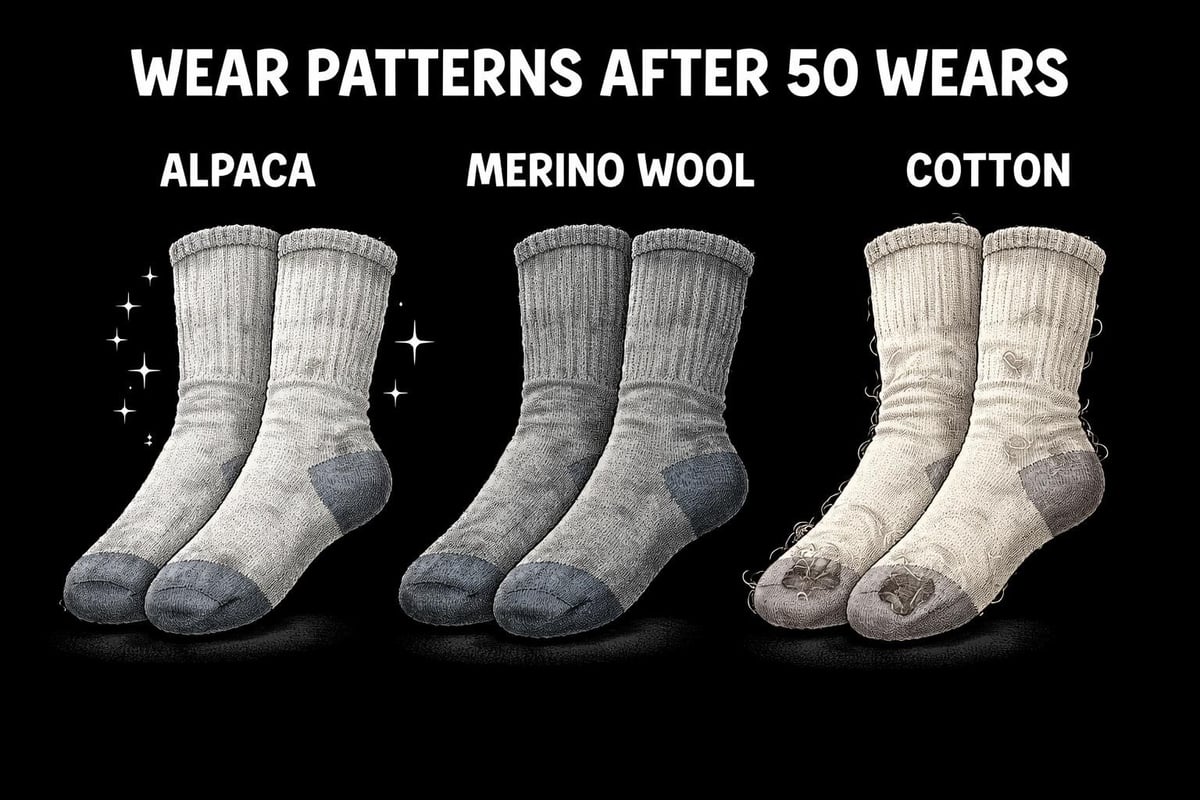
Investing in quality walking socks makes financial sense only if they withstand regular use. Alpaca fiber ranks among the strongest natural fibers available, with tensile strength that exceeds many wool varieties. This durability stems from the fiber's smooth surface and inherent strength, which resist pilling and wear even after numerous washing cycles.
Resistance to Odor and Bacteria
Another aspect of durability involves how well socks resist odor development. Alpaca fiber naturally resists bacterial growth, which means your socks stay fresher longer between washes. This antibacterial property makes alpaca socks particularly valuable for multi-day walking trips or situations where frequent washing isn't practical.
The fiber's moisture-wicking ability works synergistically with its antibacterial properties. By keeping feet drier, alpaca reduces the damp environment where odor-causing bacteria thrive. Walkers frequently report that alpaca socks maintain freshness even after full days of activity, a significant advantage over synthetic or cotton alternatives.
When considering whether alpaca or merino wool suits hiking better, durability often becomes a deciding factor. While both materials perform admirably, alpaca's superior strength typically results in longer sock lifespan, making it an economical choice despite higher initial costs.
Comparing Alpaca to Other Walking Sock Materials
Understanding how alpaca stacks up against alternative materials helps walkers make informed decisions based on their specific needs and preferences. Each fiber type offers distinct advantages and limitations worth considering.
Alpaca Versus Merino Wool
Merino wool has long dominated the premium walking sock market, and for good reason. However, alpaca offers several advantages that make it increasingly popular among serious walkers. Both materials excel at temperature regulation and moisture management, but subtle differences affect performance.
Alpaca proves slightly warmer than merino wool while maintaining similar breathability. The fiber's hollow structure creates better insulation per ounce, allowing sock manufacturers to create lighter-weight options without sacrificing warmth. For walkers who prioritize minimal pack weight, this represents a significant advantage.
The softness comparison favors alpaca, particularly for those with sensitive skin. While modern merino wool feels considerably softer than traditional wool, alpaca surpasses it in fineness and smooth texture. Our guide on performance benefits of alpaca socks outdoors explores these distinctions in greater detail.
Synthetic Material Comparisons
Modern synthetic socks incorporate advanced moisture-wicking technologies and cushioning systems. However, they typically fall short of alpaca's natural performance in several key areas. Synthetic fibers tend to retain odors more readily, require more frequent washing, and lack the temperature versatility of natural fibers.
| Feature | Alpaca | Synthetic | Cotton |
|---|---|---|---|
| Warmth | Excellent | Good | Poor |
| Moisture Control | Excellent | Good | Poor |
| Odor Resistance | Excellent | Fair | Poor |
| Durability | Excellent | Good | Fair |
| Environmental Impact | Low | High | Moderate |
The surprising benefits of alpaca hiking socks extend beyond basic performance metrics to include sustainability and environmental considerations that matter to many modern walkers.
Selecting the Right Alpaca Socks for Walking
Not all alpaca socks suit walking equally well. Understanding what features to prioritize ensures you choose socks that enhance rather than hinder your walking experience. Sock construction, blend composition, and specific design elements all influence performance on the trail.
Weight and Thickness Considerations
Walking sock weight typically falls into three categories: lightweight, midweight, and heavyweight. Your choice depends on climate, season, boot fit, and personal preference. Lightweight alpaca socks work beautifully for warm-weather walking or when wearing low-cut shoes. Midweight options provide versatility across seasons, while heavyweight socks deliver maximum warmth for winter conditions.
Are alpaca socks good for walking in all weight categories? Absolutely, though the alpaca content percentage may vary by weight class. Many manufacturers blend alpaca with other fibers to optimize specific properties:
- Pure alpaca (100%): Maximum warmth and softness
- Alpaca-merino blend: Balance of performance and durability
- Alpaca-nylon blend: Enhanced durability for high-wear areas
- Alpaca-silk blend: Luxury comfort for casual walking
The walking sock collection at The Cambridge Sock Company offers carefully designed options across these categories, each optimized for specific walking conditions.
Fit and Construction Features
Proper sock fit prevents bunching, slipping, and hot spots that lead to blisters. Look for alpaca walking socks with reinforced heels and toes, areas that experience the most stress during walking. Flat toe seams eliminate pressure points that become painful during extended wear.
Essential construction features:
- Reinforced high-wear zones
- Arch support bands
- Cushioned footbeds
- Flat or minimal toe seams
- Proper heel pocket fit
Height also matters for walking socks. Crew-length socks work well with hiking boots, providing protection from boot rub while staying in place. Quarter-length options suit athletic shoes or trail runners, while knee-high designs offer extra warmth for cold-weather walking.
Care and Maintenance for Longevity
Proper care extends the life of your alpaca walking socks significantly. While alpaca fiber proves naturally durable, following best practices for washing and storage ensures you maximize your investment. The good news? Alpaca requires less maintenance than you might expect.
Washing Guidelines
Alpaca socks tolerate machine washing better than many natural fibers, though gentle treatment yields best results. Use cool water and mild detergent, avoiding harsh chemicals or bleach that can damage the fiber structure. Turn socks inside out before washing to protect the outer surface from abrasion.
Many walkers wonder whether alpaca socks really work for extended use without special care. The reality is that proper maintenance, while simple, makes a substantial difference in longevity. Air drying preserves fiber integrity better than machine drying, though low heat settings won't damage quality alpaca socks.
Care recommendations:
- Machine wash cold on gentle cycle
- Use mild detergent without additives
- Air dry when possible
- Store clean and completely dry
- Avoid fabric softeners that coat fibers
Between wears, allow your alpaca socks to air out completely. The fiber's natural odor resistance means you can often wear them multiple times between washes, particularly for low-intensity walking. This reduces wear from washing while maintaining freshness.
Value Proposition for Serious Walkers
When evaluating whether are alpaca socks good for walking, cost considerations inevitably arise. Premium alpaca socks command higher prices than synthetic or cotton alternatives, but value extends beyond initial purchase price. Calculating cost per wear over the sock's lifetime often reveals alpaca as the more economical choice.
Long-Term Cost Analysis
A quality pair of alpaca walking socks typically lasts 2-3 times longer than comparable synthetic socks when properly cared for. The superior durability, combined with reduced washing frequency due to natural odor resistance, translates to lower overall costs and environmental impact.
Consider this comparison for a walker who hikes weekly:
| Sock Type | Initial Cost | Lifespan (wears) | Cost Per Wear | Annual Pairs Needed |
|---|---|---|---|---|
| Cotton | $8 | 25 | $0.32 | 2-3 |
| Synthetic | $15 | 50 | $0.30 | 1-2 |
| Alpaca | $30 | 100+ | $0.30 or less | 1 |
The numbers demonstrate that while alpaca requires higher upfront investment, the long-term value proposition proves compelling. Factor in the enhanced comfort, superior performance, and reduced replacement frequency, and alpaca emerges as an intelligent choice for dedicated walkers.
Health Benefits for Foot Wellness
Beyond performance metrics, alpaca socks contribute to overall foot health in ways that matter particularly to regular walkers. The natural properties of alpaca fiber support various aspects of foot wellness, from circulation to skin health.
The gentle compression effect of well-fitted alpaca socks promotes healthy blood circulation without constricting. This becomes important during long walks when good circulation helps reduce fatigue and prevents swelling. The fiber's softness eliminates pressure points that can restrict blood flow or cause discomfort over extended wear periods.
Supporting Foot Conditions
Walkers with specific foot concerns often find alpaca particularly beneficial. The hypoallergenic nature helps those with sensitive skin or wool allergies. The moisture management properties benefit anyone prone to athlete's foot or fungal issues, as keeping feet dry creates an inhospitable environment for these conditions.
For those dealing with diabetes or neuropathy, the non-restrictive fit and exceptional softness of alpaca socks provide comfort without compromising circulation. The temperature regulation also helps maintain consistent foot temperature, important for those with reduced sensation.
Our article on why choose alpaca socks explores additional health advantages that make these socks valuable for walkers prioritizing foot wellness alongside performance.
Environmental and Ethical Considerations
Modern consumers increasingly factor sustainability into purchasing decisions, and alpaca fiber scores well on environmental metrics. Alpacas graze efficiently with minimal environmental impact compared to sheep or cattle. They have soft padded feet rather than hooves, causing less damage to pastures and soil.
Sustainable Fiber Production
Alpaca farming requires minimal resources. The animals need less water and food per pound of fiber produced compared to sheep, and they naturally produce fiber in various colors, reducing or eliminating the need for dyeing. This translates to lower chemical use and water consumption in textile production.
The durability of alpaca socks also contributes to sustainability. Longer-lasting products mean less frequent replacement, reducing overall consumption and waste. When alpaca socks do eventually wear out, the natural fiber biodegrades completely, unlike synthetic alternatives that persist in landfills for decades.
Sustainability advantages:
- Low-impact grazing practices
- Minimal water requirements
- Natural colors reduce dyeing needs
- Biodegradable end-of-life
- Long product lifespan reduces waste
Understanding how our socks are made reveals our commitment to responsible sourcing and manufacturing practices that honor both quality and environmental stewardship.
Real-World Performance Across Walking Scenarios
Theory and specifications only tell part of the story. Understanding how alpaca socks perform in actual walking conditions provides practical insights for potential buyers. Different walking scenarios place different demands on your socks, and alpaca's versatility shines across this spectrum.
Urban and Trail Walking
For city walking or maintained trails, lightweight to midweight alpaca socks deliver excellent performance. The moisture-wicking properties prove valuable even during seemingly low-intensity activities, as feet still perspire in any footwear. The soft texture prevents irritation during all-day wear, whether you're exploring a new city or walking your regular route.
Trail walking introduces more variables including terrain changes, longer distances, and potentially challenging weather. Midweight alpaca socks handle these demands admirably, providing cushioning over rocky sections while maintaining breathability during climbs. The natural grip of alpaca fiber helps socks stay in place, preventing the bunching that causes hot spots and blisters.
Cold Weather and Winter Walking
Winter walking tests sock performance in demanding ways. Are alpaca socks good for walking when temperatures drop? This is where alpaca truly excels. The exceptional warmth-to-weight ratio means you can keep your feet comfortably warm without the bulk that causes boots to fit poorly or feet to overheat.
The comparison of alpaca versus wool for warmth reveals alpaca's superiority in cold conditions. The hollow fiber structure traps more warm air while remaining breathable enough to prevent the clamminess that often occurs when feet sweat in cold weather.
Multi-Day Walking Adventures
Extended walking trips present unique challenges for sock performance. You need socks that maintain comfort day after day, possibly with limited washing opportunities. Alpaca's natural odor resistance becomes invaluable in these scenarios, allowing you to pack fewer pairs without sacrificing freshness.
The durability of alpaca fiber also matters more on longer trips where sock failure could derail your plans. Quality alpaca walking socks withstand consecutive days of hard use without developing holes or losing their shape, providing reliable performance when you need it most.
Alpaca socks deliver exceptional performance for walking through a combination of natural properties that address the key challenges walkers face: temperature regulation, moisture management, comfort, and durability. Whether you're a casual walker or serious hiker, the investment in quality alpaca socks pays dividends in enhanced comfort and long-term value. The Cambridge Sock Company brings together British craftsmanship and premium alpaca fiber to create walking socks that keep your feet happy mile after mile, combining heritage quality with the performance advantages that make alpaca an outstanding choice for anyone who values their feet.