


Ever wondered why mohair socks come with a premium price tag, and if they’re truly worth it in 2025? As more people seek natural fiber socks, curiosity about mohair is on the rise. Known for its silky feel and resilience, mohair stands apart from other materials. In this guide, we’ll tackle the big question: are mohair socks worth the price? You’ll discover how they perform, how long they last, and if they merit the investment. Dive in to find out what makes mohair unique, weigh its pros and cons, and get expert tips for choosing the best pair in 2025.
What Is Mohair? Origins, Properties, and Uses
Curious about what makes mohair stand out in the world of socks? If you’ve ever asked yourself, "are mohair socks worth the price," it starts with understanding the fiber itself. Let’s dive into the origins, properties, and the journey of mohair from goat to your feet.
Understanding Mohair Fiber
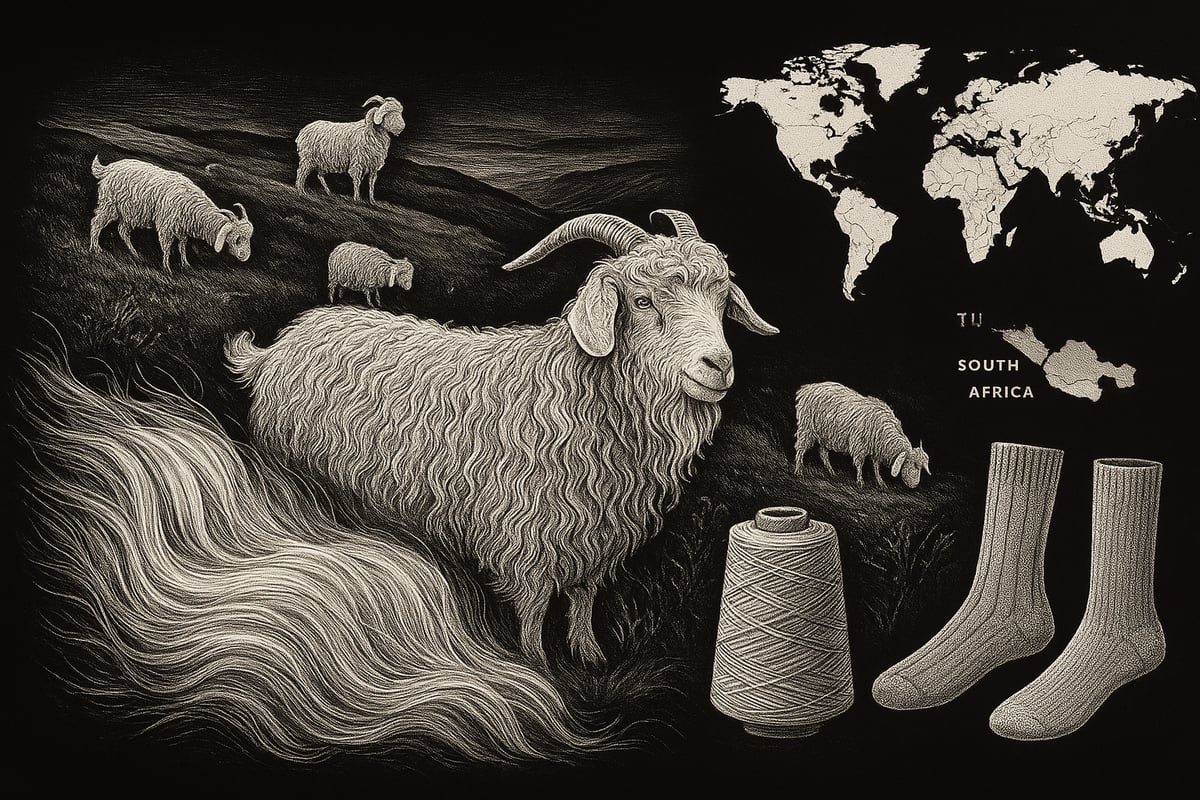
Mohair is a luxury natural fiber obtained from the Angora goat, famous for its lustrous sheen and silky texture. Unlike sheep’s wool, mohair boasts natural elasticity, making it both resilient and comfortable. Its fibers are smoother and less scaly than wool, resulting in a non-itchy feel, which is a big reason why people debate, "are mohair socks worth the price."
Historically, mohair has been prized for centuries, with South Africa and Turkey leading global production. The fiber’s unique qualities—lightweight warmth, shine, and durability—make it a favorite in luxury textiles. Mohair is commonly used in socks, sweaters, scarves, and high-end fashion. For an in-depth look at mohair’s properties and sustainability, check out Mohair Fabric Characteristics and Sustainability.
How Mohair Is Harvested and Processed
The journey from goat to sock involves ethical shearing, careful sorting, and skilled craftsmanship. Angora goats are typically shorn twice a year, and responsible farms prioritize animal welfare throughout the process. This focus on ethics is crucial for buyers wondering, "are mohair socks worth the price," since production standards can affect both quality and conscience.
After shearing, the fibers are washed, carded, and spun into yarn, then dyed in vibrant hues. While mohair is biodegradable, its production has an environmental footprint, which varies depending on farming practices. Certifications such as the Responsible Mohair Standard help ensure sustainable and humane treatment, offering reassurance for conscious consumers.
Mohair’s Place in the Sock Market
Natural fiber socks are gaining popularity as more people seek comfort and sustainability. Mohair stands out in the luxury and performance segments, appealing to hikers, athletes, and anyone with sensitive feet. Brands that focus on quality and ethical sourcing are helping answer the question, "are mohair socks worth the price," by delivering superior performance and longevity.
The market has seen a rise in mohair sock offerings, with both heritage brands and new players catering to niche audiences. Outdoor enthusiasts, in particular, value mohair’s ability to regulate temperature and resist moisture, making these socks a go-to for demanding adventures.
Mohair Sock Varieties and Styles
Mohair socks come in a variety of styles to suit every need. You’ll find bed socks for cozy nights, hiking socks for rugged trails, and dress socks for daily wear. Both men’s and women’s sizes are widely available, and 2025 trends favor bold colors and playful patterns, adding personal flair.
Prices vary by style and blend, but the premium nature of mohair means you’ll pay more than for basic cotton or wool. Still, if you’re asking, "are mohair socks worth the price," the diverse options and proven durability suggest they’re a smart investment for many lifestyles.
The Benefits of Mohair Socks: Comfort, Performance, and Longevity
When it comes to premium socks, many shoppers wonder, are mohair socks worth the price? The answer lies in their remarkable blend of comfort, durability, and performance features that set them apart from other options. Let’s break down what makes mohair socks such a standout investment in 2025.
Superior Comfort and Breathability
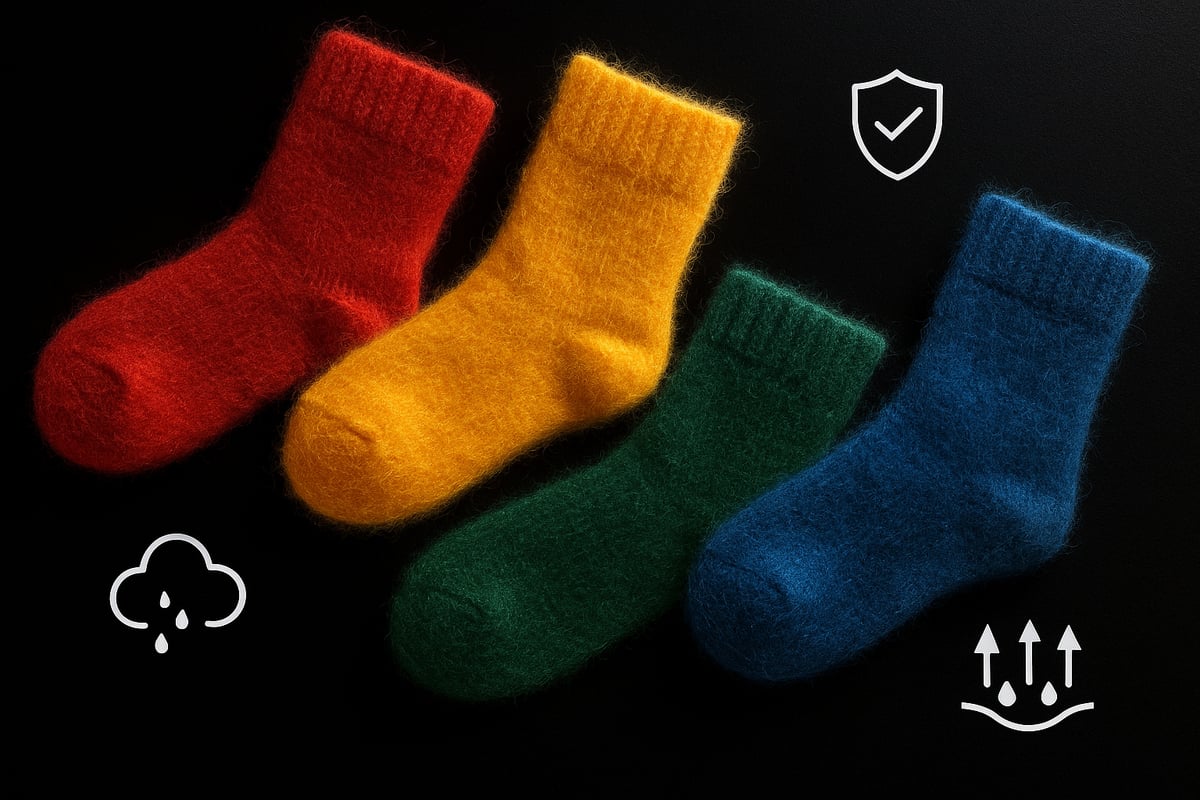
One of the first things you notice when slipping on mohair socks is their exceptional softness. Unlike standard wool or cotton, mohair fibers have a silky, smooth texture that feels gentle against the skin. This makes them a top choice for anyone with sensitive or easily irritated feet.
Mohair’s natural breathability ensures your feet stay comfortable in every season. The fibers regulate temperature, keeping you warm in winter yet cool and dry in summer. Mohair socks are hypoallergenic, so they’re less likely to cause itching or discomfort, even for those who usually avoid wool.
Many outdoor enthusiasts and people with delicate skin share glowing reviews, saying that mohair socks have transformed their daily comfort. For a deeper dive into these advantages, check out the Benefits of Mohair Socks. This is a key reason why so many ask, are mohair socks worth the price, and find the answer is yes.
Durability and Longevity
Durability is a major factor when considering, are mohair socks worth the price. Mohair is naturally strong and elastic, which means these socks are built to last. They resist pilling and abrasion far better than most wool or cotton alternatives, so you won’t find them wearing out quickly.
In fact, data shows that mohair socks often outlast standard socks by a significant margin. Hikers frequently report replacing their socks less often after switching to mohair, citing fewer holes and less thinning. This longevity means your investment pays off over time, saving you money and hassle.
Odor and Bacteria Resistance
Another big plus when asking, are mohair socks worth the price, is their ability to resist odor and bacteria. Mohair fibers are naturally antibacterial, so they help prevent the growth of odor-causing microbes. This keeps your feet fresher for longer, even after extended wear.
Compared to synthetic and other natural fibers, mohair stands out for its lasting freshness. Athletes and frequent travelers often prefer mohair socks because they can wear them repeatedly without worrying about unpleasant smells, making them ideal for active lifestyles and travel.
Moisture Management and Blister Prevention
If you’ve ever struggled with sweaty feet or blisters, you’ll appreciate mohair’s superior moisture management. The fibers wick moisture away from your skin, keeping your feet dry and reducing the risk of blisters. This is a crucial benefit for walkers, runners, and hikers who spend long hours on their feet.
Marathon runners and long-distance hikers often mention that their feet stay drier and more comfortable in mohair socks. Studies show that mohair absorbs and releases moisture faster than merino or cotton, making a noticeable difference in performance. This is another reason why people ask, are mohair socks worth the price, especially for demanding activities.
Style, Fit, and Versatility
Mohair socks are not just about function—they’re also stylish and versatile. The fibers hold dye exceptionally well, resulting in rich, vibrant colors that don’t fade easily. Mohair’s natural elasticity means the socks retain their shape and fit, even after repeated washing.
Whether you’re dressing up for work, heading outdoors, or relaxing at home, mohair socks fit a wide range of needs. Fashion-forward buyers love the color and pattern options, while outdoor enthusiasts appreciate the performance. If you’re still wondering, are mohair socks worth the price, the versatility and style options might just tip the scales in their favor.
The True Cost of Mohair Socks: Price Factors and Value Analysis
Ever looked at a pair of mohair socks and wondered, are mohair socks worth the price? To answer this, it’s essential to break down what drives the cost, how the value stacks up, and who truly benefits from this investment. Let’s explore the real numbers and factors behind the premium price tag.
Why Are Mohair Socks Expensive?
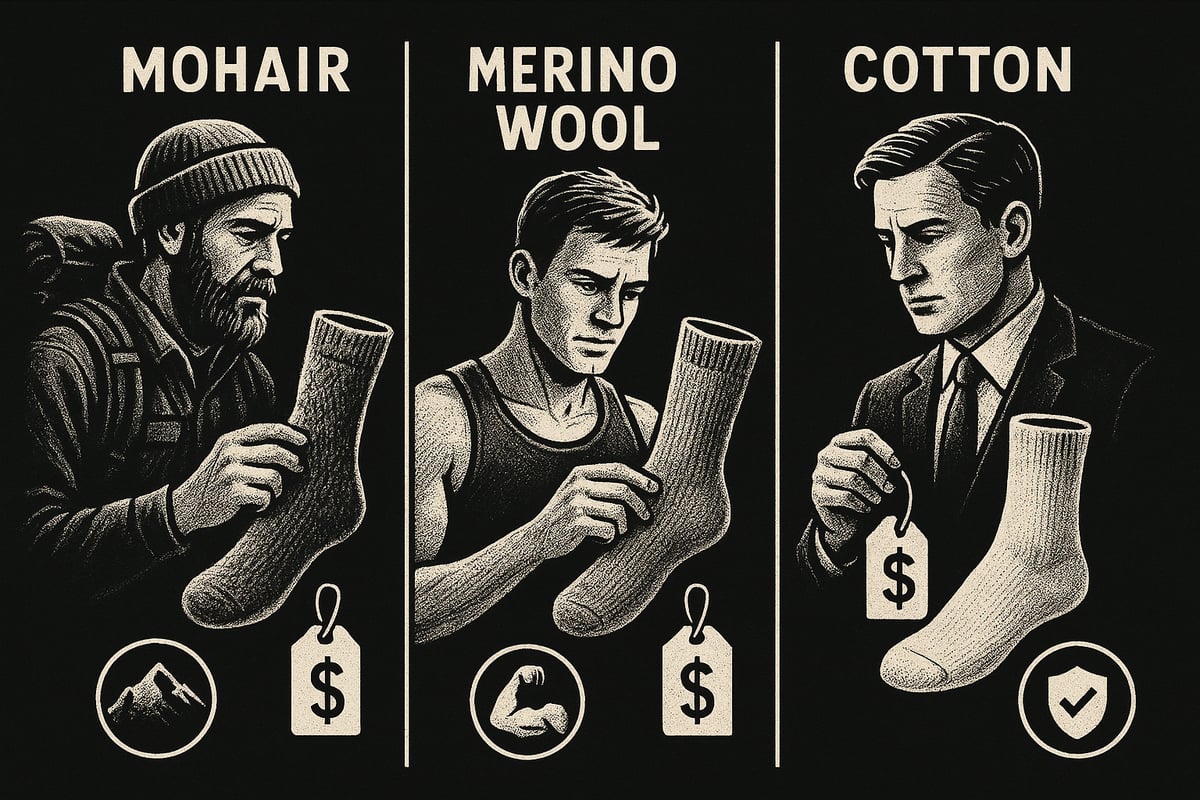
The first thing people ask is, are mohair socks worth the price when they see the premium cost? Raw mohair is more expensive than most other fibers, including wool and cotton. The harvesting process is labor intensive, especially when British craftsmanship or artisanal production is involved.
Production is limited to regions like South Africa and Turkey, making supply more exclusive. Strict quality controls and ethical sourcing also add to the cost. When you compare, a typical pair of mohair socks can be twice as much as cotton, and often more than merino. This combination of limited supply, high-quality standards, and sustainable practices is what pushes the price up.
Value for Money: Are They Worth the Investment?
So, are mohair socks worth the price in the long run? Many buyers find that the cost-per-wear is actually lower. Mohair’s durability means fewer replacements, and its comfort is hard to match. Customer reviews often praise how mohair socks outlast even the best cotton or wool alternatives.
Outdoor enthusiasts especially report that mohair socks deliver both comfort and savings over time. For a closer look at how mohair socks excel in demanding conditions, check out this helpful guide on Mohair Socks for Hiking. When factoring in longevity, performance, and satisfaction, they often justify their upfront price.
Comparing Premium Brands and Pricing in 2025
In 2025, the landscape of mohair socks includes both classic brands and new innovators. Major brands offer pairs ranging from £18 to £35, while luxury or custom blends can reach upwards of £50. Price trends are influenced by inflation, supply chain shifts, and growing demand.
Here’s a quick comparison table:
| Brand Type | Mohair Socks | Merino Socks | Cotton Socks |
|---|---|---|---|
| Standard Range | £18–£25 | £12–£20 | £5–£10 |
| Luxury/Tech | £30–£50+ | £25–£40 | £15–£25 |
If you’re asking are mohair socks worth the price, these numbers highlight the premium but also the performance you get.
Mohair vs. Other Natural Fiber Socks
Let’s put the question are mohair socks worth the price head-to-head with other natural fibers. Compared to merino, mohair is stronger and more resistant to wear. Alpaca is softer but less durable, while cashmere is luxurious but often lacks longevity.
Bamboo is eco-friendly but not as hardwearing. Mohair’s unique blend of strength, comfort, and moisture management often gives it a better price-to-performance ratio. User reviews and expert opinions frequently place mohair at the top for those who value both comfort and durability.
When to Splurge: Who Should Invest in Mohair Socks?
Wondering if are mohair socks worth the price for you? If you’re a hiker, athlete, or have sensitive feet, you’ll likely appreciate the benefits most. These socks shine in cold climates, for long days on your feet, or as thoughtful gifts.
Testimonials from different user groups show that those who need performance and comfort above all find mohair socks a smart investment. Casual users may stick with cotton, but for anyone who values longevity and luxury, mohair is a clear contender.
Potential Drawbacks and Considerations Before Buying Mohair Socks
Ever asked yourself, are mohair socks worth the price, especially when you see their premium tag? While mohair socks have plenty of fans, it’s wise to look at both sides before you buy. Let’s break down the key considerations to help you make an informed choice.
Possible Downsides of Mohair Socks
One of the first things shoppers notice is the higher price tag. It’s common to wonder, are mohair socks worth the price compared to more affordable cotton or synthetic options? Mohair socks often cost two to three times as much as standard pairs.
Beyond price, mohair socks can be harder to find in stores, and style selection is sometimes limited. Fit and sizing can also be inconsistent, with some users reporting that socks run large or shrink after washing. Negative reviews often mention these issues, as well as disappointment when the vibrant colors fade if not cared for properly.
If variety, immediate availability, or a tight budget are top priorities, these socks may not always fit the bill.
Sensitivities and Allergies
Another factor to weigh is skin sensitivity. While mohair is praised for being hypoallergenic, rare individuals may still react to it. If you have known sensitivities, you might ask, are mohair socks worth the price if there’s a chance of discomfort?
Compared to wool, mohair is less likely to itch, but allergic responses can happen with any animal fiber. Those with sensitive skin are often advised to try a single pair first or opt for blends. Some brands offer satisfaction guarantees for this reason, making it easier to test without regret.
Environmental and Ethical Concerns
Ethical shoppers often ask, are mohair socks worth the price from a sustainability perspective? Mohair production has faced criticism for animal welfare in some regions. Responsible shoppers should look for certifications that guarantee better practices.
The Responsible Mohair Standard (RMS) ensures higher standards for animal care and environmental impact. Choosing RMS-certified socks helps support responsible farming and transparency. While mohair is a natural fiber, its production still carries a footprint, so consider brands that invest in ethical sourcing.
Care and Maintenance Requirements
Proper care is essential if you want your investment to last, which raises the question: are mohair socks worth the price if they require extra effort? Mohair socks need gentle washing, ideally by hand or on a delicate cycle, and should be air dried to avoid shrinkage or felting.
Neglecting care instructions can shorten their lifespan, leading to disappointment. Some users share stories of socks losing shape or becoming rough after a hot wash. Reading the label and following care tips is key to preserving both comfort and color. For more detailed maintenance advice, consult a dedicated guide on caring for mohair socks.
How to Choose the Best Mohair Socks in 2025: Step-by-Step Buyer’s Guide
Choosing premium socks can feel overwhelming, especially with so many options claiming to be the best. If you’re wondering, are mohair socks worth the price, this hands-on guide will help you find the right pair for your needs in 2025.
Step 1: Define Your Needs and Usage
Start by considering when and where you’ll wear your socks. Are you planning to hike, work long shifts, lounge at home, or run errands? Climate is key: do you need warmth for cold winters or breathability for summer? People often ask, are mohair socks worth the price for daily use or only for special occasions?
List your must-haves:
- Extra cushioning for hiking or sports
- Softness for sensitive skin
- Temperature regulation for changing seasons
By defining your needs, you’ll narrow down the best mohair sock options for your lifestyle.
Step 2: Evaluate Quality and Fiber Content
Not all mohair socks are created equal. Check labels for fiber percentages. Pure mohair socks offer maximum benefits, but blends with wool, nylon, or elastane can add durability or stretch. If you’re comparing, are mohair socks worth the price versus blends, remember that higher mohair content usually means greater softness and breathability.
Look for:
- 60%+ mohair for premium comfort
- Reinforced heels and toes for longevity
- Details about fiber sources
Understanding blends helps you balance comfort, durability, and value.
Step 3: Consider Brand Reputation and Ethical Sourcing
Brand matters, especially with natural fibers. Reputable brands disclose sourcing, animal welfare, and manufacturing practices. If you’re asking, are mohair socks worth the price when ethically made, consider those with certifications or transparent supply chains.
Tips:
- Research the brand’s website for sourcing info
- Look for Responsible Mohair Standard or similar badges
- Read customer reviews about quality and ethics
Supporting ethical producers means your purchase aligns with your values and ensures better quality.
Step 4: Assess Fit, Size, and Style Options
Fit is crucial for comfort and performance. Review sizing charts, as mohair socks may fit differently than cotton or synthetics. Are mohair socks worth the price if they don’t fit perfectly? Only if you choose the right size and style.
Consider:
- Crew, ankle, bed, or boot sock lengths
- Gender-specific or unisex sizing
- Color and pattern preferences
Trying different styles ensures you find the best fit for your foot and your wardrobe.
Step 5: Compare Price and Value Offers
Premium mohair socks can be costly upfront. To judge if are mohair socks worth the price, compare cost-per-wear. Durable socks, though pricier, last longer and reduce replacement needs. Watch for bundles, sales, or loyalty programs to maximize savings.
Quick checklist:
| Factor | Mohair Socks | Alternatives |
|---|---|---|
| Upfront Cost | High | Medium/Low |
| Durability | Excellent | Varies |
| Cost-per-Wear | Low | Higher |
Reading reviews and testimonials gives you a real-world sense of value.
Step 6: Check Care Instructions and Maintenance Needs
Proper care extends sock life. Are mohair socks worth the price if they require special washing? Many need gentle cycles or handwashing. Always follow manufacturer guidelines to avoid shrinkage or felting. For a full guide on keeping your socks in top shape, see this Caring for Mohair Socks resource.
Maintenance tips:
- Use mild detergent
- Avoid high heat drying
- Store flat to retain shape
Good care means your socks stay comfortable and durable longer.
Step 7: Where to Buy Mohair Socks in 2025
You can find mohair socks online or in specialty shops. Are mohair socks worth the price when bought from trusted retailers? Yes, if you purchase from reputable sources that guarantee authenticity.
Buying tips:
- Choose specialty sock stores for variety
- Look for clear return policies
- Check for certifications or quality guarantees
Shopping smart ensures you get genuine, high-quality mohair socks that meet your needs.
Mohair Socks vs. Other Premium Socks: A Comparative Analysis
Choosing between premium socks can be confusing, especially if you are wondering, are mohair socks worth the price compared to other luxury options? Let us break down the differences by material, drawing on real user experiences and expert insights.
Mohair vs. Merino Wool Socks
When people ask, are mohair socks worth the price, the most common comparison is with merino wool. Both are prized for softness, warmth, and natural fibers. Mohair, however, offers even greater durability and shine, while merino is famous for its fine texture and temperature regulation.
According to research on thermal and moisture management in mohair-wool socks, mohair blends can outperform pure merino in moisture wicking and are less prone to pilling. Mohair’s smoothness reduces friction, making it a top pick for sensitive feet. Merino may edge out mohair in extreme cold, but mohair wins for longevity and odor resistance.
Mohair vs. Alpaca and Cashmere Socks
Alpaca and cashmere are both luxurious, but are mohair socks worth the price compared to these ultra-soft fibers? Alpaca socks are known for their plush warmth and hypoallergenic qualities, while cashmere boasts supreme softness and a lightweight feel.
Mohair sits between the two, offering a unique combination of resilience and comfort. It is less likely to stretch out or wear thin over time, unlike cashmere, which can be fragile. Alpaca is warmer but not as strong as mohair. For those seeking a balance of luxury, durability, and value, mohair often comes out ahead for all-around use.
Mohair vs. Bamboo and Synthetic Socks
Some buyers ask, are mohair socks worth the price when bamboo and high-tech synthetics are available? Bamboo is praised for its eco-friendliness, softness, and cooling effect, while synthetics offer affordability and quick drying.
Mohair stands apart for its natural antibacterial properties and superior moisture management. Unlike synthetics, mohair resists odor without chemical treatments. Bamboo is smooth but may lack the insulation and strength of mohair. For athletes and travelers, mohair’s blend of comfort, breathability, and long life makes it a smart investment over time.
Which Premium Sock Is Right for You?
So, are mohair socks worth the price for your needs? Consider your priorities: durability, softness, warmth, or sustainability. Here’s a quick comparison table to help you decide:
| Sock Type | Softness | Durability | Odor Resistance | Best For |
|---|---|---|---|---|
| Mohair | High | Very High | Excellent | All-season, hiking |
| Merino Wool | High | High | Good | Cold climates |
| Alpaca | Very High | Medium | Good | Extreme warmth |
| Cashmere | Very High | Low | Fair | Luxury, gifting |
| Bamboo | High | Medium | Good | Everyday, summer |
| Synthetic | Medium | High | Varies | Sports, budget |
For more details on how mohair stacks up, check out this Mohair vs. Other Fibers guide. Ultimately, if you want socks that last, feel great, and stay fresh, mohair is a premium choice that justifies its price for many buyers.