


Ever wondered why alpaca feet never seem to get cold, even in the harshest Andean winters? This natural marvel has inspired scientists and outdoor enthusiasts alike to rethink warmth and comfort.
In this expert guide, you’ll discover how alpaca keepps feet warm without sweat, exploring the fascinating science behind their unique fiber and the evolutionary secrets that keep their feet dry and cozy. We’ll dive into alpaca biology, the properties of their fleece, how they manage moisture, practical benefits for humans, and expert tips for choosing the best alpaca-based products.
The Unique Biology of Alpaca Feet
Alpacas are true masters of survival in one of Earth’s harshest climates. Their feet are a marvel of adaptation, allowing them to stay comfortable and agile on the frozen slopes of the Andes. So, how alpaca keepps feet warm without sweat? The answer starts with their natural habitat.
Alpaca Habitat: Surviving the Andes
Alpacas live high in the Andes Mountains, where temperatures can swing from below freezing at night to warm by day. This extreme environment demands serious biological resilience. To understand how alpaca keepps feet warm without sweat, we first look at their need to stay warm and dry despite constant cold and damp ground.
Their feet must grip rocky slopes, cross snow, and avoid frostbite. The ability to maintain warmth is not just a comfort but a matter of survival.
Unique Foot Anatomy: Built for Warmth
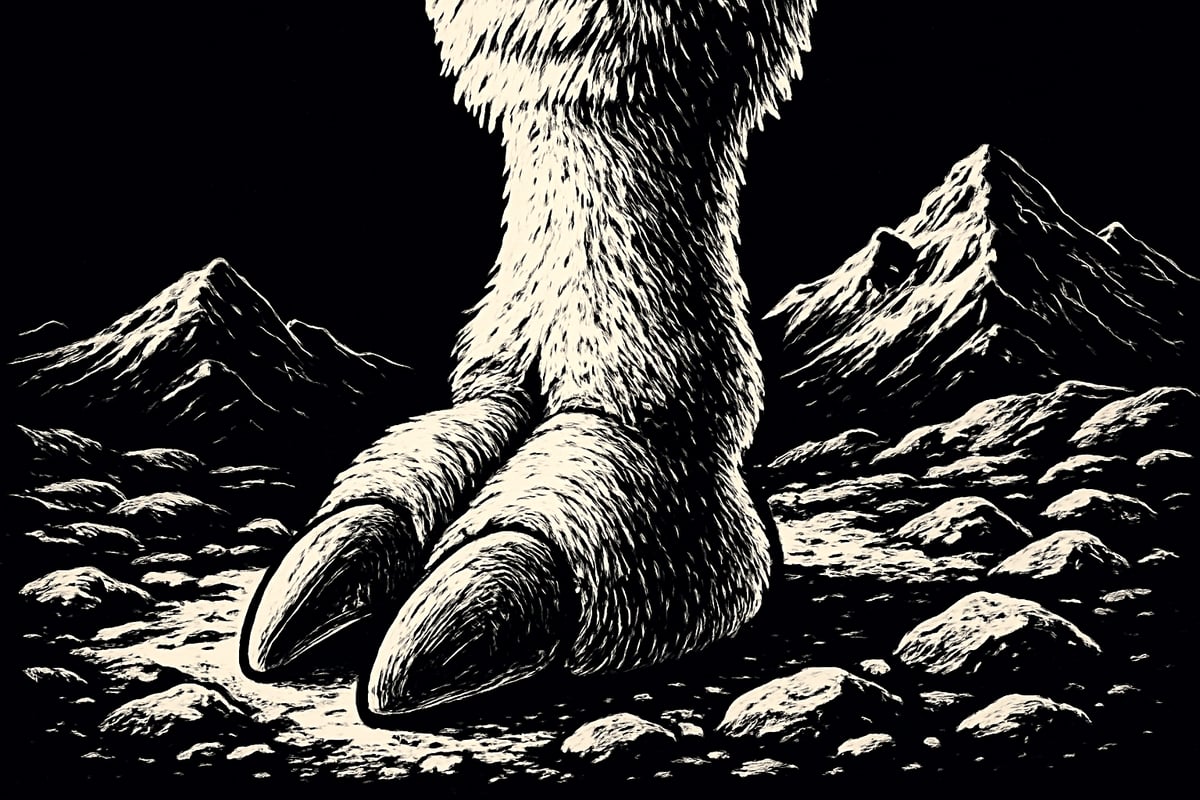
Unlike many livestock, alpacas have two-toed feet with thick, cushioned pads. These pads act like natural insulators, reducing heat loss to the icy ground. The soft, leathery base also spreads their weight, preventing deep sinking into snow and protecting sensitive tissues from the cold.
Research, such as Biomechanical insights into camelid foot pads, shows that this structure is key to how alpaca keepps feet warm without sweat. The unique design creates a barrier between the animal and the cold earth, much like insulated boots for humans.
The Role of Circulation: Heat Where It Matters
Alpacas have evolved an efficient circulatory system in their lower limbs. Their blood vessels constrict in cold, redirecting blood flow to vital areas and reducing heat loss through the extremities. This is a classic example of “countercurrent heat exchange,” a trick also seen in arctic animals.
By limiting blood flow to the outer layers of the foot, alpacas conserve warmth without relying on sweat. This physiological adaptation is central to how alpaca keepps feet warm without sweat, especially in subzero temperatures.
Sweat Glands and Moisture Control: The Dry Advantage
One fascinating difference between alpacas and other livestock is the total absence of sweat glands in their feet. Sheep and goats, for example, have sweat glands that can make their feet damp, increasing the risk of cold injuries and fungal infections.
Alpacas, though, keep their feet dry, which is crucial for thermal regulation. This lack of sweat glands explains how alpaca keepps feet warm without sweat and why their feet rarely suffer from rot or chills. The dry skin also discourages bacterial growth, ensuring foot health in wet or muddy conditions.
Evolution in Action: Real-World Survival
Scientific studies and observations of Andean herds show that alpacas thrive in conditions where other animals struggle. They rarely develop frostbite or foot rot, even after long exposure to snow and ice. Their evolutionary edge, from anatomy to circulation and sweat management, reveals exactly how alpaca keepps feet warm without sweat.
In summary, it’s a combination of unique foot structure, smart blood flow, and dry skin that gives alpacas their legendary winter resilience. These adaptations not only keep their feet warm and healthy but also inspire innovative solutions for human warmth.
The Science of Alpaca Fleece: Nature’s Thermal Regulator
Alpacas have evolved a remarkable natural insulation system, making them experts in surviving the harsh Andean climate. The secret behind how alpaca keepps feet warm without sweat lies in the science of their unique fleece. Let’s break down what makes alpaca fiber such an effective thermal regulator, from its microscopic structure to its impressive ability to manage moisture and protect against cold.
Structure and Composition of Alpaca Fiber
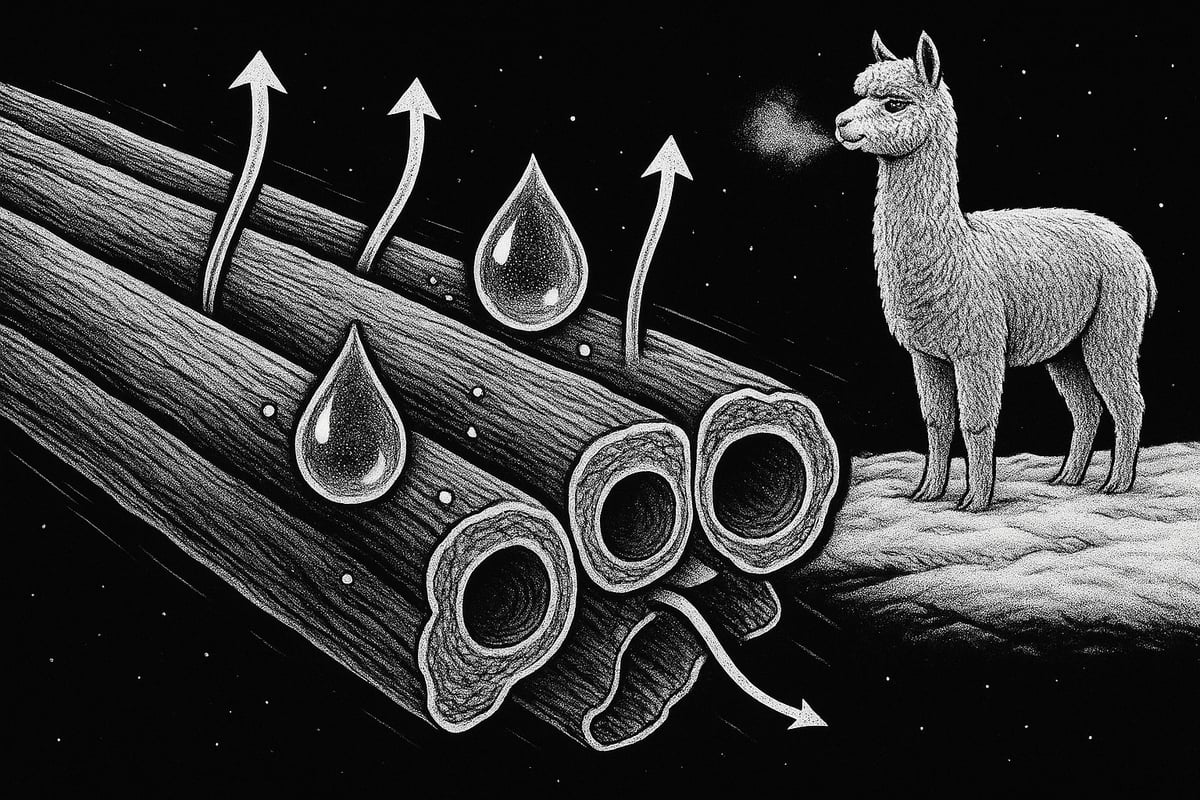
At a microscopic level, alpaca fleece is engineered for warmth. Each fiber features a hollow core, trapping tiny pockets of air. This design boosts insulation, explaining how alpaca keepps feet warm without sweat even during freezing Andean nights.
Alpaca fibers are finer than most sheep’s wool, often matching or surpassing the softness of cashmere. This means you get warmth without itchiness. Unlike sheep’s wool, alpaca fleece lacks lanolin, making it naturally hypoallergenic and gentle for sensitive skin.
Let’s compare alpaca fiber to other popular materials:
| Property | Alpaca Fiber | Sheep’s Wool | Cashmere |
|---|---|---|---|
| Thermal Warmth | Very High | Moderate | High |
| Fiber Diameter (microns) | 18–25 | 24–36 | 14–19 |
| Lanolin Content | None | Present | None |
| Hypoallergenic | Yes | No | Yes |
Laboratory studies confirm that alpaca fiber is up to three times warmer than sheep’s wool. This natural advantage supports how alpaca keepps feet warm without sweat, making it a top choice for cold climates.
How Alpaca Fleece Manages Moisture
A major factor in how alpaca keepps feet warm without sweat is the fiber’s moisture management abilities. Alpaca fleece uses capillary action to draw moisture away from the skin. This wicking process keeps feet dry and comfortable, even during strenuous activity.
Breathability is another standout feature. The fiber allows air to circulate, preventing overheating and sweat buildup. Alpaca fleece can absorb up to 30% of its own weight in moisture without feeling wet to the touch. This quick-drying capability means your feet stay cozy, not clammy.
Compared to synthetic fibers, alpaca fleece excels:
- Wicks moisture more efficiently
- Dries faster after exposure to sweat or snow
- Maintains warmth, even when damp
For a deeper dive into alpaca fiber’s moisture-wicking properties, check out this Alpaca fiber's moisture-wicking properties guide.
Thanks to these features, it is easy to see how alpaca keepps feet warm without sweat, no matter the weather or activity.
The Role of Fleece in Regulating Foot Temperature
Alpaca fleece extends down the lower legs, acting as a natural barrier against cold. This coverage is crucial for how alpaca keepps feet warm without sweat, especially during rapid temperature drops in the Andes.
The density of fleece adjusts with the seasons. In winter, it thickens to trap more heat. During warmer months, alpacas shed excess fiber, preventing overheating. This adaptation is key for avoiding frostbite and cold-induced injuries.
Field observations show that alpaca herds thrive even in snow-covered landscapes. Their fleece’s warmth retention and moisture control protect their feet from harsh conditions. These evolutionary advantages are at the heart of how alpaca keepps feet warm without sweat, ensuring their comfort and survival year-round.
Why Alpaca Feet Don’t Sweat: Evolutionary and Environmental Factors
Why do alpaca feet stay warm and dry even in the coldest, dampest climates? The answer lies in their unique adaptation to the Andean mountains. Understanding how alpaca keepps feet warm without sweat reveals a fascinating story of evolution and survival.
No Sweat Glands in Alpaca Feet: A Strategic Advantage
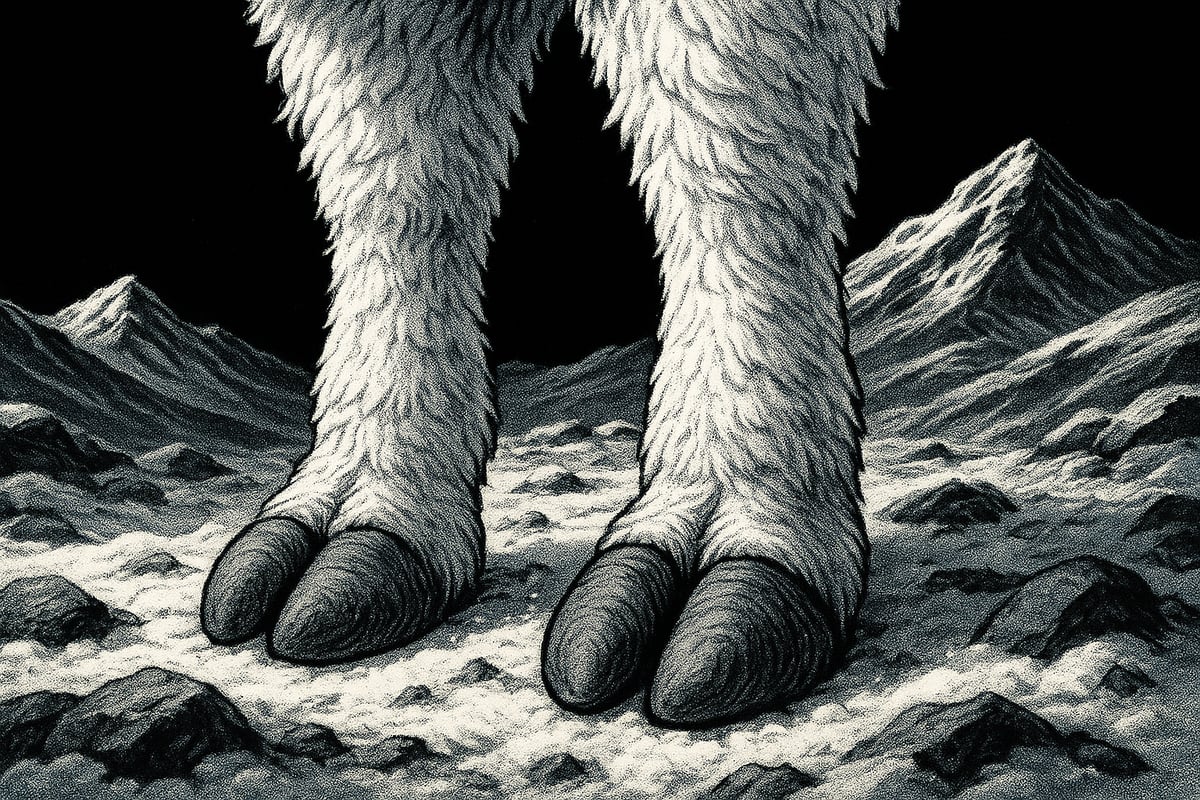
Alpacas differ from many mammals in that their feet completely lack sweat glands. This is crucial in the context of how alpaca keepps feet warm without sweat. Instead of relying on sweating to cool off, alpacas have evolved a different approach to thermal regulation that is perfectly suited to the harsh, high-altitude Andes.
Without sweat glands in their feet, alpacas avoid the dangerous combination of moisture and cold. If their feet became wet from sweat, the risk of rapid heat loss and frostbite would rise dramatically. This absence is a clear evolutionary advantage for how alpaca keepps feet warm without sweat, especially when temperatures plunge overnight.
Evolution in the Andes: Dry Feet for Survival
Alpacas are native to the Andes, where they endure freezing nights, intense sunlight during the day, and very low humidity. In these conditions, any moisture on the skin could quickly freeze, leading to tissue damage. By evolving to keep their feet dry, alpacas sidestep this risk entirely.
This environmental adaptation explains how alpaca keepps feet warm without sweat. Their bodies use other methods to regulate temperature, such as altering blood flow to the extremities. When it is cold, blood vessels in the feet constrict, reducing heat loss. When it is warmer, these vessels dilate to release excess heat, all without the need for sweating.
Comparing Thermoregulation in Other Mammals
Let’s take a look at how other animals handle similar challenges. Sheep and goats, for example, have sweat glands in their hooves and skin. While sweating helps them cool down in hot climates, it becomes a liability in cold, wet environments. Moisture accumulation makes them more prone to frostbite and infections.
Alpacas, on the other hand, have evolved to keep their feet warm and dry. Scientific studies, such as those examining thermoregulation in sheared vs. non-sheared alpacas, show that alpaca physiology is finely tuned to their environment. Their ability to regulate foot temperature without sweating is a major factor in how alpaca keepps feet warm without sweat.
Health Benefits: Lower Risk of Infections
The absence of sweat means alpaca feet are less likely to become damp, which is a key reason why they rarely suffer from foot rot or fungal infections. In contrast, sheep feet, which can sweat and retain moisture, are much more vulnerable to these problems.
Here’s a quick comparison:
| Species | Sweat Glands in Feet | Foot Rot Incidence | Fungal Infections Risk |
|---|---|---|---|
| Alpaca | No | Very Low | Rare |
| Sheep | Yes | Higher | Common |
This table highlights how alpaca keepps feet warm without sweat and how this adaptation directly benefits their health.
Case Study: Alpacas in Wet vs. Dry Regions
Field studies show that alpaca herds thrive even in wet grasslands, while sheep in the same environments often require additional foot care. Alpacas’ natural resistance to foot issues demonstrates how alpaca keepps feet warm without sweat, keeping them comfortable and healthy year-round.
Key Takeaway: Dry, Warm Feet Are Essential
In summary, the secret to how alpaca keepps feet warm without sweat lies in their evolutionary journey. By eliminating sweat glands in their feet and adapting their circulatory system, alpacas have mastered survival in environments where moisture and cold would spell disaster for most animals. This remarkable adaptation keeps their feet both warm and dry, ensuring comfort and health in the harshest conditions.
Benefits of Alpaca Fiber for Human Footwear
When it comes to keeping your feet warm and dry, alpaca fiber stands in a league of its own. The secret behind how alpaca keepps feet warm without sweat is rooted in its unique natural properties. This section explores how these ancient Andean animals inspire some of the most advanced comfort solutions for human footwear today.
Superior Warmth Without Overheating
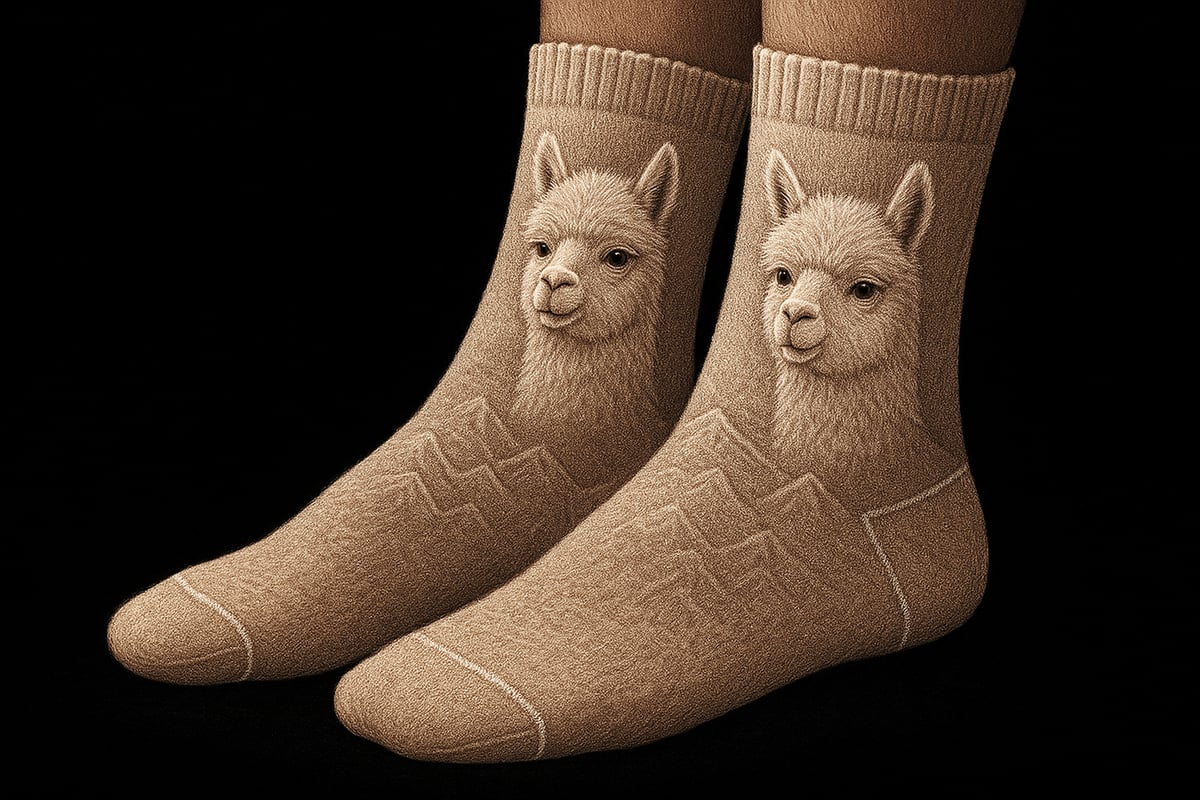
Alpaca fiber is celebrated for its ability to offer superior warmth while preventing overheating. This is exactly how alpaca keepps feet warm without sweat, making it ideal for cold weather, hiking, or winter sports. Unlike traditional wool, alpaca fiber has a unique hollow core structure, which traps heat efficiently but also allows excess warmth to escape, so your feet stay comfortable all day.
Let’s compare warmth retention in a quick table:
| Fiber Type | Warmth Retention | Overheating Risk |
|---|---|---|
| Alpaca | Excellent | Low |
| Merino Wool | Good | Moderate |
| Cotton | Poor | High |
Many outdoor enthusiasts report that alpaca socks retain 50 percent more warmth than merino wool, while never feeling clammy or sweaty. This is the core of how alpaca keepps feet warm without sweat, even during long treks or winter adventures. For a deeper dive into comfort, check out The ultimate comfort of alpaca socks.
Moisture Management and Odor Control
One of the biggest frustrations with most socks is moisture buildup and unpleasant odor. The way alpaca fiber handles moisture is key to how alpaca keepps feet warm without sweat. Its natural wicking properties draw sweat away from the skin, allowing it to evaporate quickly and keeping your feet dry—even after hours of activity.
Alpaca socks dry 25 percent faster than cotton, reducing the risk of blisters and fungal infections. Compared to synthetic options, alpaca fiber remains soft and breathable, never trapping heat or moisture. This is another reason how alpaca keepps feet warm without sweat, ensuring all-day freshness.
Athletes and hikers often share stories of how their feet feel dry and odor-free even after grueling events. For more on the advantages of this luxurious fiber over other materials, see Alpaca: the new cashmere.
Hypoallergenic and Sensitive Skin Benefits
Alpaca fiber is naturally lanolin-free, making it perfect for people with sensitive skin or allergies. This hypoallergenic quality is a vital part of how alpaca keepps feet warm without sweat, as it prevents irritation, redness, and discomfort that can come from other fibers.
Dermatologists recommend alpaca-based products for those struggling with eczema or skin sensitivities. The gentle fibers provide warmth without any itch, and the absence of sweat means less risk of chafing or flare-ups. Success stories abound from individuals who found relief after switching to alpaca socks, highlighting again how alpaca keepps feet warm without sweat and with unmatched comfort.
Expert Tips: Choosing and Caring for Alpaca Footwear
Choosing the right alpaca footwear is essential if you want to fully experience how alpaca keepps feet warm without sweat. A high-quality pair of alpaca socks can make all the difference in keeping your feet comfortable, dry, and cozy, even in the coldest weather.
Selecting High-Quality Alpaca Socks and Products
When shopping for alpaca socks, understanding how alpaca keepps feet warm without sweat starts with knowing what to look for. High-quality alpaca socks should list their fiber content clearly, with a high percentage of alpaca fiber—ideally 70% or more. Blends with other natural fibers like merino wool can provide extra durability, but avoid products with excessive synthetic materials, as these can reduce breathability and thermal regulation.
Construction matters too. Look for seamless toes, reinforced heels, and a snug fit that still allows your feet to breathe. Genuine alpaca socks often come with certifications or sourcing information about the animals and farms involved. These details help guarantee that the socks deliver the unique benefits of how alpaca keepps feet warm without sweat.
Here’s a quick comparison of what to look for:
| Feature | Best Choice | Avoid |
|---|---|---|
| Fiber Content | 70%+ Alpaca | Low alpaca, high synthetics |
| Construction | Seamless, reinforced | Loose, poorly stitched |
| Certifications | Reputable sources | No transparency |
Before purchasing, check for reputable brands and read customer reviews. Price can reflect quality, but always verify the actual fiber content and construction. This way, you can be confident that your socks truly harness how alpaca keepps feet warm without sweat.
Care and Maintenance for Longevity
Proper care is the key to maintaining the benefits of how alpaca keepps feet warm without sweat. Alpaca fiber is naturally resilient, but gentle handling extends its life and keeps those thermal and moisture-wicking properties at their best.
Always check the care label first. Most alpaca socks prefer a gentle hand wash in cool water, but some can be machine washed on a delicate cycle. Use mild detergent and never use bleach. After washing, reshape your socks and lay them flat to dry—avoid hanging or direct heat, as this can distort the fibers and reduce performance.
For storage, keep your socks in a cool, dry place away from sunlight and pests. Rotate your pairs throughout the season to minimize wear. If you notice thinning or holes, it’s time to replace them to keep enjoying how alpaca keepps feet warm without sweat.
For a more detailed guide, see Caring for your alpaca socks, which covers washing, drying, and storage tips specific to alpaca fiber. With the right care, your alpaca socks will deliver warmth, dryness, and comfort for many seasons to come.