


Ever wondered why your favorite socks wear out so quickly? Most people overlook how to care for your socks, which leads to holes, sagging, and lost comfort far sooner than necessary.
With the right habits, you can double the lifespan of your socks, saving money and enjoying fresh, comfortable feet every day. In this guide, you’ll discover expert-backed tips on how to care for your socks in 2025.
We’ll cover everything from choosing quality socks to washing, drying, storing, and advanced care. Ready to keep your socks looking and feeling their best? Let’s get started.
Understanding Sock Materials and Why Care Matters
Socks seem simple, but the materials they are made from can make a world of difference in comfort, durability, and care. If you have ever wondered how to care for your socks so they last longer, it starts with understanding what goes into them. The right fabric not only feels better but also responds differently to washing, drying, and daily wear.
The Importance of Sock Materials
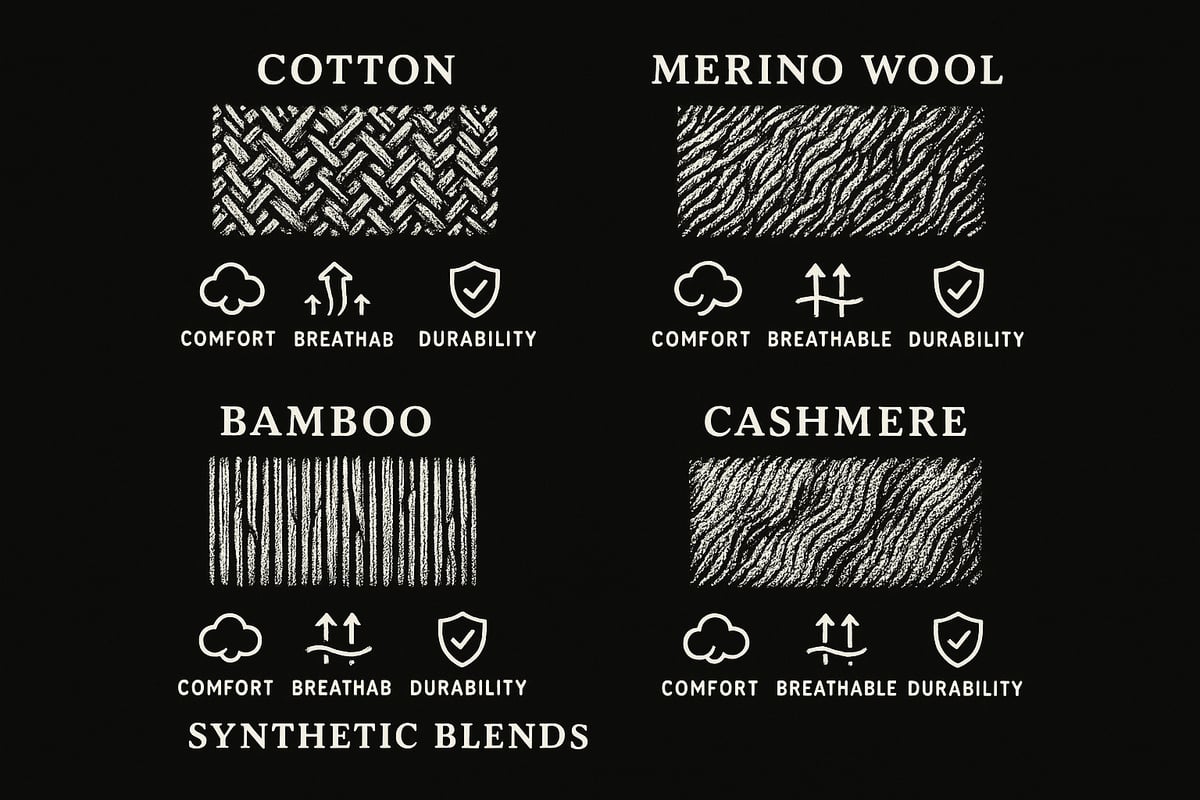
Not all socks are created equal. The most common materials—cotton, merino wool, bamboo, cashmere, and synthetic blends—each have their own benefits. Cotton is breathable and soft, while merino wool excels at moisture wicking and odor resistance. Bamboo brings eco-friendliness and a silky feel, and cashmere offers luxurious softness. Synthetics like polyester and nylon add stretch and durability.
Here’s a quick comparison:
| Material | Comfort | Breathability | Durability |
|---|---|---|---|
| Cotton | High | Medium | Medium |
| Merino Wool | High | High | High |
| Bamboo | High | High | Medium |
| Cashmere | Very High | High | Low |
| Synthetic Blends | Medium | Medium | High |
With natural fibers gaining popularity for their sustainability and comfort, learning why sock materials matter can help you make informed choices about how to care for your socks.
How Proper Care Extends Sock Life
Knowing how to care for your socks is vital if you want them to last. Gentle washing, avoiding harsh detergents, and proper drying can actually double the lifespan of your favorite pairs. Many experts agree that treating socks gently helps preserve their elasticity and color, minimizing wear and tear.
Proper care not only saves you money by reducing how often you need to replace socks, it also benefits the environment. Fewer socks in the landfill and less frequent purchasing means a smaller footprint. Start caring for your socks the right way and you’ll notice the difference.
Common Problems from Poor Sock Care
Neglecting how to care for your socks often leads to common issues:
- Holes and thinning fabric
- Loss of shape or elasticity
- Fading colors and pilling
- Excess lint and rough texture
Improper washing and drying, especially at high temperatures or with the wrong detergents, speed up this damage. Industry estimates suggest that up to 80% of sock damage comes from washing machine misuse. With a few smart changes, you can avoid these problems and keep your socks in top condition.
Choosing Quality Socks for Easier Care
If you want to simplify how to care for your socks, start by choosing quality. Look for socks with reinforced heels and toes, made from high-quality fibers. Premium socks may cost more upfront, but they are built to last and are often easier to maintain.
Socks from reputable brands usually hold their shape better, resist fading, and withstand frequent washing. Investing in better socks means less hassle and fewer replacements in the long run. Your feet—and your wallet—will thank you.
Special Considerations for Sensitive Feet and Activities
When learning how to care for your socks, consider your specific needs. Gentle grip socks are ideal for sensitive feet, reducing pressure without slipping. For sports or outdoor adventures, specialized socks offer extra cushioning and moisture control.
Care instructions may vary based on the sock’s purpose and your personal requirements. Always check labels and adjust your sock care routine to match your activities and comfort needs.
Step-by-Step Guide: How To Wash Your Socks Properly
Washing your socks the right way is the backbone of how to care for your socks and keep them feeling fresh, soft, and long-lasting. Let’s break down each step so you can avoid the common pitfalls that shorten the lifespan of your favorite pairs.
Sorting and Preparing Socks for Washing
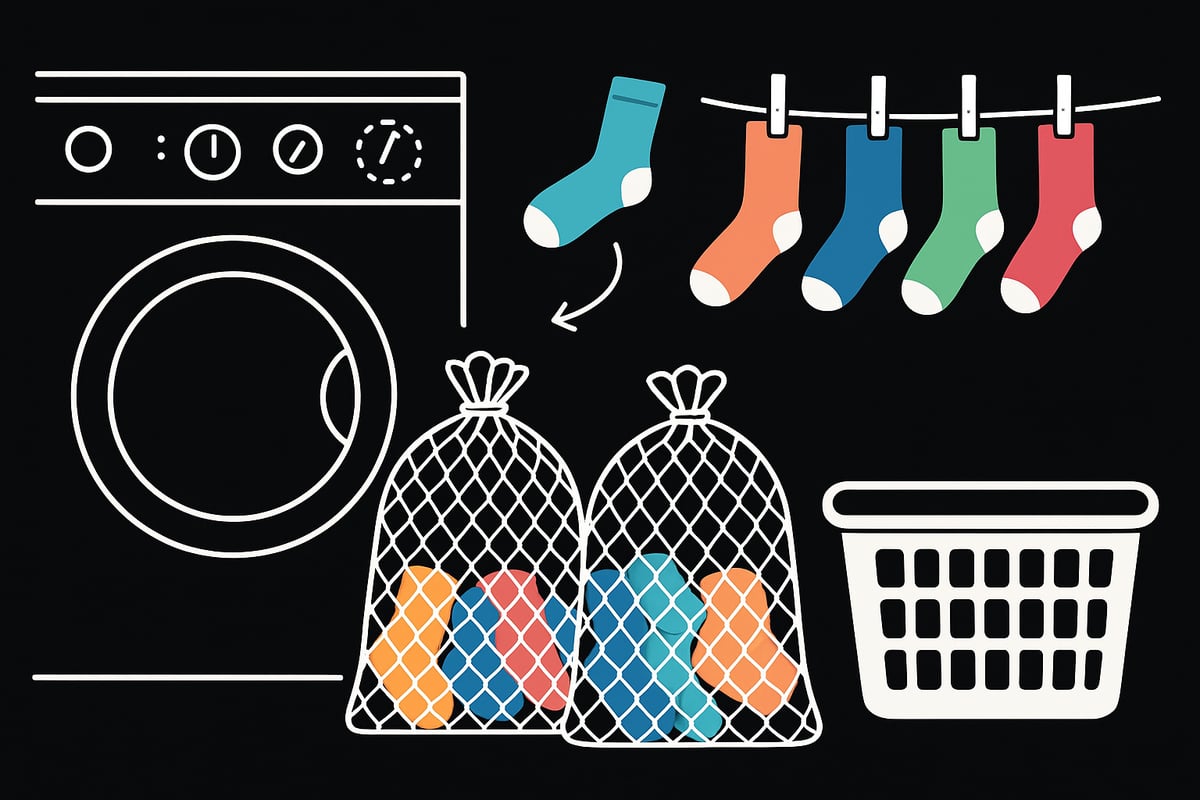
The first step in learning how to care for your socks is proper sorting. Always separate socks by color: whites, darks, and vibrant colors. This prevents color bleeding, especially when washing new socks for the first time.
For best results, place socks in a mesh laundry bag. This simple trick prevents socks from tangling, stretching, or getting lost in the wash. Competitors often recommend color-catching sheets for those initial washes, which can catch any dye that escapes.
Washing similar colors and fabrics together helps maintain quality. Remember, taking a few extra minutes here goes a long way in preserving your socks.
Choosing the Right Detergent and Wash Settings
Selecting the correct detergent is crucial for how to care for your socks. Choose a mild, color-safe detergent and avoid bleach or fabric softeners, which can break down fibers and fade colors.
Set your washing machine to 30°C (86°F), which is ideal for most socks. Lower temperatures help maintain elasticity and reduce color loss. If you’re washing natural fiber socks, you might want more details from this Caring for natural fibre socks guide.
Always check care labels for special instructions, especially with premium or specialty socks.
Washing Techniques: Machine vs. Hand Wash
Understanding how to care for your socks means knowing when to opt for a gentle hand wash. Machine washing is convenient for everyday socks, but delicate materials like cashmere or merino wool benefit from hand washing.
To hand wash:
- Fill a basin with lukewarm water and add a small amount of mild detergent.
- Gently agitate the socks, focusing on areas with dirt or odor.
- Rinse thoroughly with cool water.
- Press out excess water with a towel, never wring.
Hand washing helps maintain softness and shape, making your socks last longer.
Washing Socks Inside Out: Why It Matters
A simple yet effective tip for how to care for your socks is to turn them inside out before washing. This protects the outer surface from friction, reduces pilling, and ensures the inside gets thoroughly cleaned.
Washing socks inside out also preserves color and helps maintain their original feel. Many experts and competitors agree—this small habit can make a big difference in sock longevity.
Try making it part of your laundry routine for better results with every wash.
Preventing Lint and Color Bleeding
Lint and color bleeding are two issues that can sabotage how to care for your socks. To avoid this, always wash socks separately from towels and heavy fabrics, which shed lint and cause pilling.
If you’re washing mixed loads, use color-catching sheets or mesh bags to minimize the risk of color transfer. Washing socks with similar fabrics also reduces friction and wear, helping them stay looking new.
Taking these precautions will keep your socks cleaner and more vibrant.
Common Washing Mistakes to Avoid
Knowing how to care for your socks includes dodging these frequent mistakes:
- Overloading the washing machine, which can stretch and damage socks.
- Using too much detergent, leading to residue buildup.
- Skipping mesh laundry bags, increasing the risk of lost or damaged socks.
Avoiding these pitfalls is essential for keeping your socks in top condition. Treat each pair with care and they’ll reward you with comfort and durability.
Expert Tips for Drying and Storing Your Socks
Drying and storing your socks properly can make a world of difference in their lifespan and daily comfort. Many people overlook these simple steps, but they are essential if you want to master how to care for your socks. With a few expert techniques, you can prevent shrinking, stretching, and fading, keeping your favorite pairs looking and feeling their best.
The Best Ways to Dry Socks
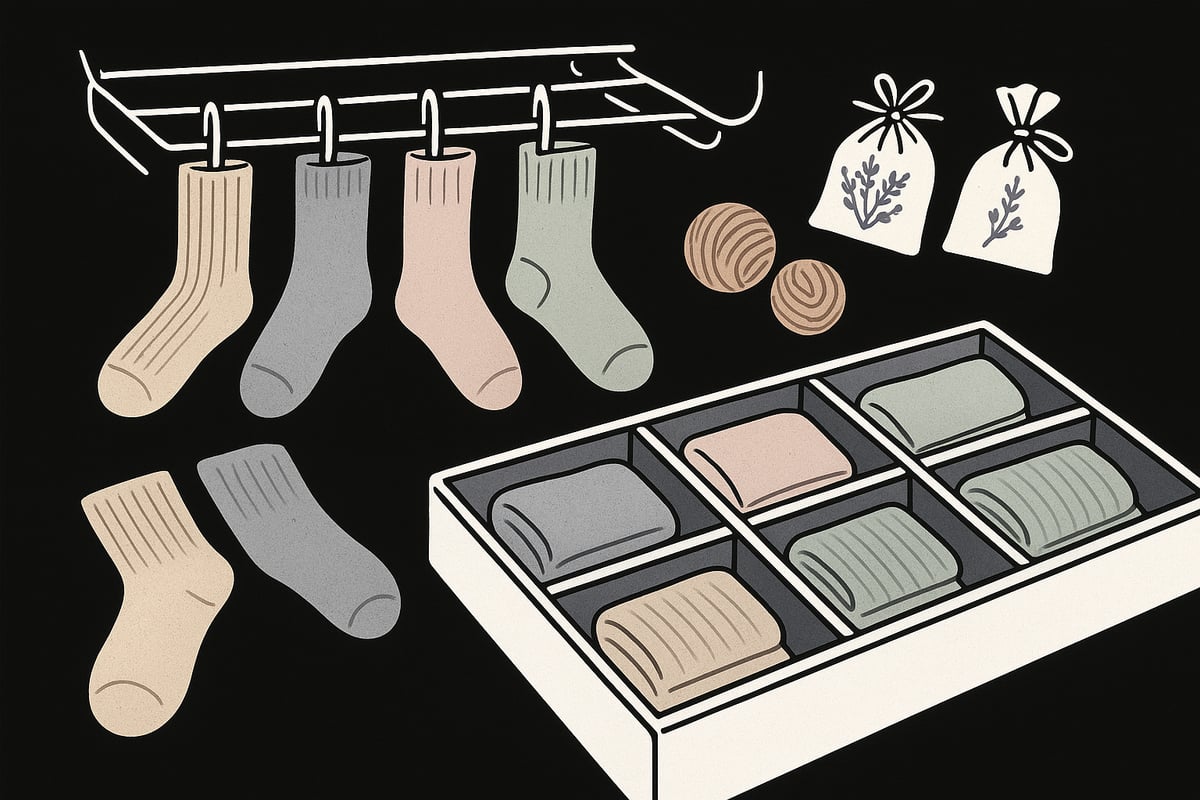
When it comes to how to care for your socks, drying is just as important as washing. Air drying is the gold standard for all sock types, from everyday cotton to luxurious cashmere. Tumble dryers can cause shrinkage, damage delicate fibers, and fade colors, especially for wool or specialty blends.
Lay socks flat on a clean towel or drying rack. If you need to hang them, do so by the toe, not the cuff, to avoid stretching out the elastic. For more expert insights on drying techniques, check out the Sock Care Guide by NordSocks.
Heat can be harsh on fibers, so keep socks away from direct sunlight and radiators. This gentle approach is a cornerstone of how to care for your socks and helps ensure they remain soft and comfortable.
How to Shape and Lay Socks for Drying
After washing, gently reshape each sock to its original form. This simple habit is a key part of how to care for your socks, as it maintains their fit and comfort. Smooth out the fabric and align the toe and heel before laying them flat.
Avoid hanging socks by the cuff, since this can stretch out the top band and shorten the sock’s lifespan. Use a drying rack or clean towel, and make sure socks are not overlapping to allow even airflow.
Competitor data shows that flat drying significantly reduces distortion and keeps socks looking newer for longer. Shaping socks right after washing helps preserve elasticity and prevents awkward stretching.
Storing Socks to Prevent Damage
Proper storage is vital for anyone serious about how to care for your socks. Overcrowded or jumbled drawers can compress fibers and weaken the elastic, leading to saggy socks. Instead, fold your socks neatly rather than rolling or balling them, which can stretch the fabric and cause wear.
Drawer dividers or small baskets are excellent for keeping pairs organized and ensuring good airflow. This organization makes it easy to find the right pair and helps your socks keep their shape.
Allow socks to cool completely before storing them. This prevents moisture buildup and reduces the risk of mildew, especially if you live in a humid climate.
Organizing Socks for Longevity and Convenience
A smart organization system is a game changer for how to care for your socks. Group socks by type, color, or purpose so you can easily locate sports, dress, or cozy bed socks. Special socks should have their own section or clear bin to prevent snags and tangles.
Labeling bins or using transparent organizers saves time and keeps your collection visible. For large families or sock enthusiasts, assign each person a color or pattern to avoid mix-ups.
Keeping your sock drawer tidy not only extends the life of your socks but also streamlines your daily routine. A little effort here pays off with longer-lasting, fresher socks.
Seasonal Storage and Moth Prevention
When seasons change, rotate your socks and store out-of-season pairs in breathable fabric bags or boxes. This is a crucial step in how to care for your socks, especially if you own wool or cashmere styles.
To safeguard against moths, add cedar balls or lavender sachets to your storage containers. These natural repellents are gentle on fibers and keep pests at bay. Always ensure socks are clean and completely dry before packing them away.
Long-term storage should be in a cool, dry place. This simple routine protects your investment and ensures your socks are ready when you need them.
Handling, Wearing, and Everyday Sock Care
Caring for your socks doesn't stop at washing and drying. The way you handle, wear, and tend to your socks daily can make a significant difference in how long they last and how comfortable they stay. By adopting the right habits and quick fixes, you can transform the everyday experience of wearing socks and truly master how to care for your socks.
Daily Habits to Reduce Wear and Tear
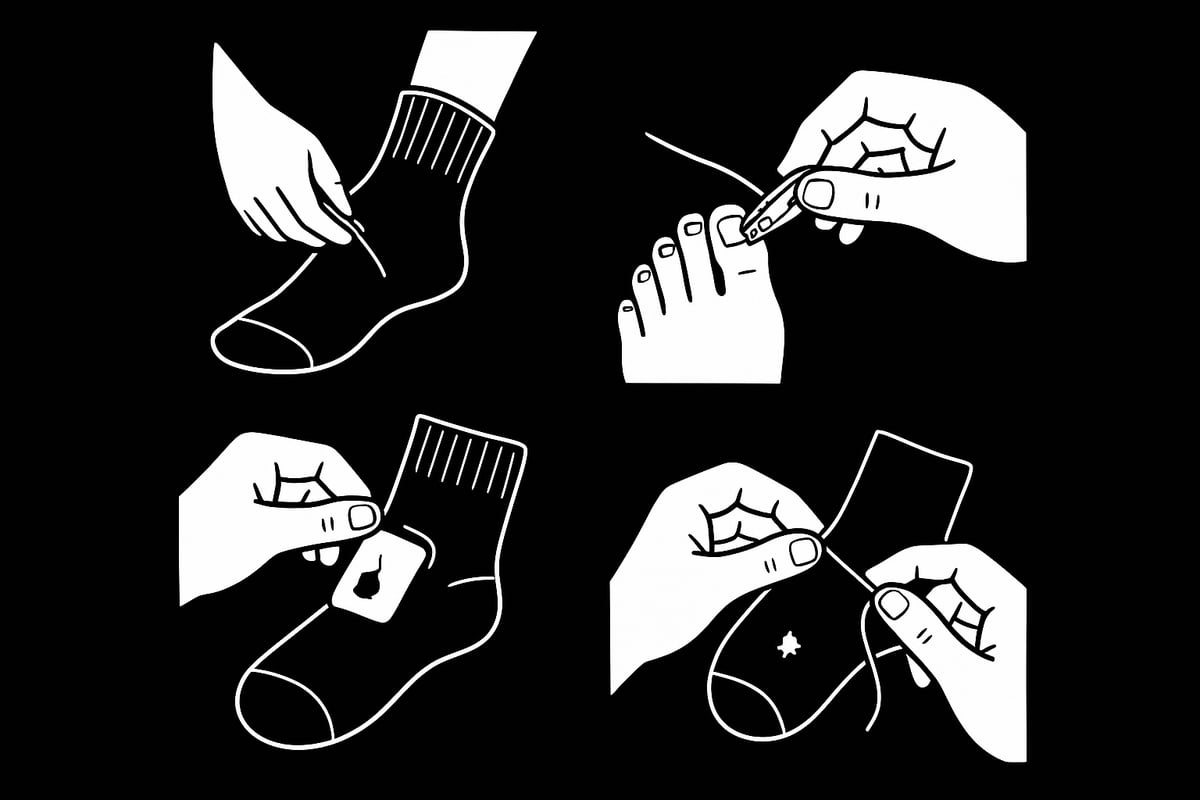
Building mindful routines is at the heart of how to care for your socks. Start by wearing socks only on clean, dry feet and avoid walking on hard floors in just your socks, as this quickly wears down the fabric.
- Change your socks daily to prevent odor and keep fibers fresh.
- Keep toenails trimmed to avoid snagging and holes.
- Rotate your socks so each pair gets a break between wears.
Small habits like these greatly extend the life of your favorite pairs. For more practical tips, check out the Sock Care 101 by Hugh Ugoli Socks guide.
Putting On and Taking Off Socks Properly
Gentle handling is an often-overlooked part of how to care for your socks. When putting socks on, bunch the sock at the toe and slide it gently over your foot, rather than tugging at the cuff. This method reduces stress on the elastic and helps maintain shape.
When removing socks, roll them down from the top instead of pulling them off forcefully. This simple step prevents overstretching and tearing, especially around the heel and cuff. Many holes form from rough handling, so being mindful can save your socks from early retirement.
Addressing Stains and Quick Spot Cleaning
Stains are inevitable, but knowing how to care for your socks in these moments keeps them looking fresh. Treat stains as soon as possible by gently dabbing with mild soap and cold water.
- Avoid using hot water or harsh chemicals, which can weaken fibers.
- For stubborn stains, try a gentle stain remover designed for delicates.
- Always rinse thoroughly and air dry after spot cleaning.
Prompt action prevents discoloration and extends the lifespan of each pair.
Managing Odor and Freshness
Odor control is a key part of how to care for your socks and keep them pleasant to wear. Rotate between pairs to allow each set to recover and dry completely between uses.
- Use natural deodorizing sprays or add a small amount of baking soda to your wash.
- Ensure socks are fully dry before storing or wearing to prevent musty smells.
- For persistent odor, consider a specialty wash designed for athletic or wool socks.
Fresh socks feel better and reduce the risk of bacteria buildup, supporting healthier feet.
Repairing Small Holes and Extending Sock Life
Even the best routines can't prevent every hole, but you can often repair minor damage. Darning—a simple stitching technique—can close small holes and reinforce thinning spots. Use a matching thread and a darning needle for best results.
If a sock develops multiple holes or loses its stretch, it may be time to replace it. However, repairing when possible is a sustainable way to get more wear out of your collection.
Advanced Sock Care for Premium and Specialty Socks
Premium socks deserve more than basic care. If you want to know how to care for your socks made from luxury fibers or designed for special uses, you’ll need a few expert techniques. This section breaks down the best ways to treat merino, cashmere, alpaca, and bamboo socks, as well as tips for technical and eco-friendly sock care.
Special Care for Luxury Fibers: Cashmere, Merino, Alpaca, Bamboo
Learning how to care for your socks made from cashmere, merino, alpaca, or bamboo is crucial for maintaining their comfort and longevity. These natural fibers are delicate and require gentle handling.
Hand wash your premium socks in cold water using a wool or cashmere-specific detergent. Avoid wringing or twisting, as this can stretch and damage the fibers. For machine washing, select a delicate cycle and place your socks in a mesh laundry bag.
Here’s a quick table to compare care requirements:
| Fiber | Wash Method | Detergent Type | Drying Method |
|---|---|---|---|
| Cashmere | Hand/Delicate | Cashmere/Wool Detergent | Air Dry Flat |
| Merino | Hand/Delicate | Wool Detergent | Air Dry Flat |
| Alpaca | Hand/Delicate | Mild Wool Detergent | Air Dry Flat |
| Bamboo | Gentle Cycle | Mild Detergent | Air Dry Flat |
With the right approach, you’ll notice your socks stay softer and last much longer.
Dealing with Pilling, Fuzz, and Fiber Shedding
Figuring out how to care for your socks when pilling or fuzz appears is a common concern, especially with natural fibers. Pilling happens as fibers rub together, but it doesn’t mean your socks are ruined.
To manage pilling:
- Use a fabric shaver or gently remove pills by hand.
- Wash socks inside out to reduce friction.
- Avoid wearing socks with rough shoes or on abrasive surfaces.
Natural fibers like merino and cashmere are prone to light pilling, but regular gentle care will keep them looking fresh. If you see excess fuzz, it’s a sign to switch to a gentler wash cycle or hand washing.
Caring for Compression, Sports, and Technical Socks
If you’re wondering how to care for your socks designed for compression or athletic performance, always check the manufacturer’s care instructions. These socks have unique fibers and constructions that require special attention.
Wash compression or medical socks separately from heavy fabrics to prevent snags. Skip fabric softeners, as they can reduce the elasticity and effectiveness of compression socks. For gentle grip and specialty socks, you can find more tips in this Gentle grip and specialty socks guide.
Technical socks often benefit from air drying and mild detergents. This helps preserve their fit and support for longer wear.
Eco-Friendly and Sustainable Sock Care Practices
Wondering how to care for your socks while minimizing your environmental impact? Choose cold water washes and eco-friendly detergents to reduce energy and chemical use.
Air drying not only extends the life of your socks but also saves electricity. When it’s time to say goodbye to a pair, consider donating gently used socks or recycling them. Some brands offer take-back programs for worn-out socks, turning them into insulation or rags.
By adopting these practices, you help the planet and your sock drawer at the same time.
When to Retire Your Socks: Signs and Solutions
Knowing how to care for your socks includes recognizing when repair is no longer worthwhile. Look for these signs:
- Persistent holes or thinning that cannot be darned.
- Loss of elasticity, especially at the cuff.
- Stains or odors that won’t wash out.
Most socks last 6 to 12 months with regular wear, but proper care can extend their lifespan. When it’s time to retire them, get creative—old socks make great cleaning rags or craft materials.
Taking these steps ensures your socks stay comfortable, fresh, and sustainable.
Frequently Asked Questions About Sock Care
Taking the mystery out of how to care for your socks starts with answers to the most common questions. Let’s clear up some sock care confusion so you can keep your favorites lasting longer and feeling their best.
How Often Should I Wash My Socks?
Washing socks after every wear is the gold standard for hygiene and comfort. Daily washing removes sweat, bacteria, and odor, helping your socks stay fresh and inviting. If you use thick wool hiking socks with liners, you might get away with a couple of wears, but only if they remain dry and odor-free.
If you want to learn more about how to care for your socks in different situations, check out the Frequently asked sock care questions for expert-backed advice. Remember, regular washing is a key part of how to care for your socks and extend their life.
Can I Mix Sock Types in the Wash?
It’s tempting to toss all your socks in one load, but mixing different fibers or colors can lead to problems. Washing cotton socks with wool or synthetics can cause lint transfer and color bleeding. Dark socks may lose dye that stains lighter pairs.
Always sort socks by color and material when deciding how to care for your socks. Use mesh laundry bags for delicates, and wash new socks separately the first few times. This simple step keeps your socks looking their best and prevents early wear.
What’s the Best Way to Prevent Holes?
Preventing holes starts with understanding how to care for your socks from the moment you put them on. Trim your toenails regularly, and avoid walking on hard floors in socks. Gentle handling during washing and drying also makes a huge difference.
Invest in socks with reinforced toes and heels, as these last longer and resist damage. Following a careful routine for how to care for your socks can double their lifespan and keep them comfortable day after day.
How Do I Keep My Socks Soft and Comfortable?
Keeping socks soft is all about gentle care. Use mild detergents, avoid fabric softeners for natural fibers, and wash in cool water. Air drying is best, as heat can damage fibers and make socks stiff.
Proper storage also matters when planning how to care for your socks. Fold them neatly and avoid overcrowding drawers. With these habits, your socks will stay cozy and inviting with every wear.
The Cambridge Sock Company: Premium Socks Deserve Premium Care
When you invest in luxury socks, knowing exactly how to care for your socks makes all the difference. The Cambridge Sock Company specializes in crafting premium socks using alpaca, merino wool, bamboo, and cashmere, each requiring thoughtful care to preserve their unique benefits.
Proper sock care helps you maintain color, softness, and durability in every pair. Following expert steps from this guide ensures your socks stay comfortable, stylish, and reliable for longer.
With a wide range of British-made, natural-fiber socks, The Cambridge Sock Company offers quality that stands out. Ready to treat your feet? Discover their collection at The Cambridge Sock Company.