


Alpaca socks represent a significant investment in comfort and quality, offering unparalleled softness, warmth, and moisture-wicking properties that set them apart from ordinary hosiery. However, many sock enthusiasts hesitate to machine wash these luxurious garments, fearing damage to the delicate fibers. The good news is that learning how to wash alpaca socks machine wash 30 correctly allows you to maintain your premium socks without sacrificing convenience or compromising their exceptional qualities. With proper technique and attention to detail, your alpaca socks can retain their shape, softness, and performance through countless wash cycles.
Understanding the Machine Wash 30 Symbol
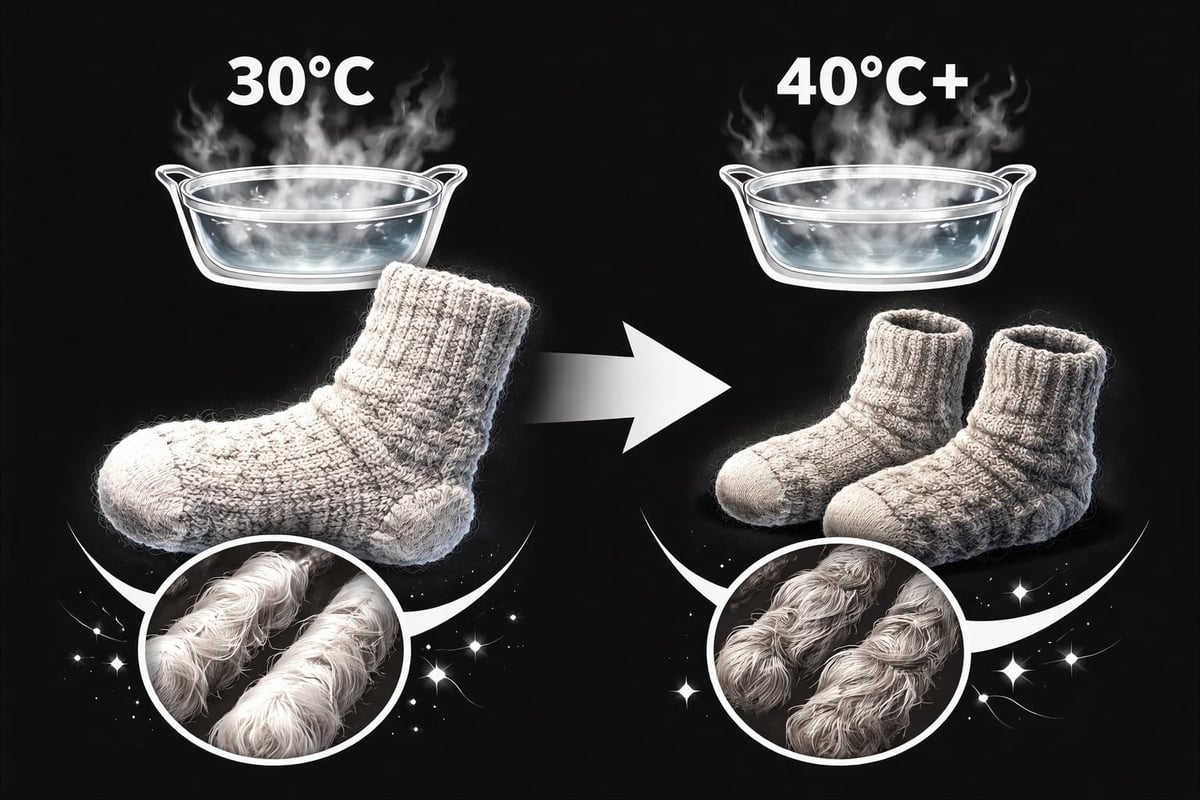
The care label symbol showing "30" inside a wash tub isn't arbitrary-it represents a specific temperature threshold critical for preserving alpaca fibers. When you see machine wash 30 on clothing labels, this indicates a maximum water temperature of 30 degrees Celsius (86 degrees Fahrenheit).
Why this temperature matters for alpaca socks:
- Prevents fiber felting and shrinkage
- Maintains the natural crimp of alpaca wool
- Preserves color vibrancy and prevents fading
- Protects the sock's elasticity and shape retention
Higher temperatures cause alpaca fibers to constrict and interlock, a process called felting that permanently alters the fabric structure. Understanding how to wash alpaca socks machine wash 30 means recognizing that this temperature represents the sweet spot between effective cleaning and fiber preservation.
Temperature Accuracy Matters
Modern washing machines often have preset cycles that may exceed 30°C even when labeled "cold" or "delicate." Always verify your machine's actual temperature settings, as some models default to 40°C on gentle cycles. Consider using a thermometer during initial test runs to ensure accuracy.
Preparing Your Alpaca Socks for Machine Washing
Preparation determines washing success just as much as the cycle itself. Before loading your alpaca wool socks into the machine, follow these essential pre-wash steps:
- Turn socks inside out to protect the outer fibers from friction
- Check for damage such as holes or loose threads that washing might worsen
- Remove debris by gently shaking or brushing off dirt and lint
- Sort by color to prevent dye transfer between garments
- Close any fasteners if your socks have zippers or buttons
The Mesh Bag Advantage
| Feature | Benefit | Why It Matters |
|---|---|---|
| Fine mesh construction | Reduces friction | Prevents pilling and fiber damage |
| Zippered closure | Keeps socks contained | No lost socks in the machine |
| Multiple compartments | Separates colors | Prevents dye bleeding |
| Breathable design | Allows water flow | Ensures thorough cleaning |
Place your alpaca socks in a dedicated mesh laundry bag before washing. This simple step dramatically reduces mechanical stress on the fibers while still allowing detergent and water to circulate freely. Quality mesh bags cost a fraction of replacing damaged socks and represent an essential investment for anyone learning how to wash alpaca socks machine wash 30.
Selecting the Right Detergent and Settings
Detergent choice profoundly impacts alpaca fiber longevity. The natural proteins in alpaca wool require gentle, pH-neutral cleaning agents that won't strip away the fiber's protective lanolin-like coating.
Recommended detergent characteristics:
- pH-neutral formulation designed for wool or delicates
- Free from enzymes that break down protein fibers
- No bleach or brighteners that damage natural fibers
- Low-suds formula that rinses cleanly without residue
- Biodegradable ingredients that align with sustainable fiber values
Measure detergent carefully-alpaca fibers require significantly less soap than cotton or synthetic fabrics. Use approximately half the amount recommended for a regular load. Excess detergent doesn't improve cleaning but creates residue buildup that stiffens fibers and reduces softness.
Machine Settings Configuration
Understanding how to wash alpaca socks machine wash 30 requires mastering your washing machine's settings menu:
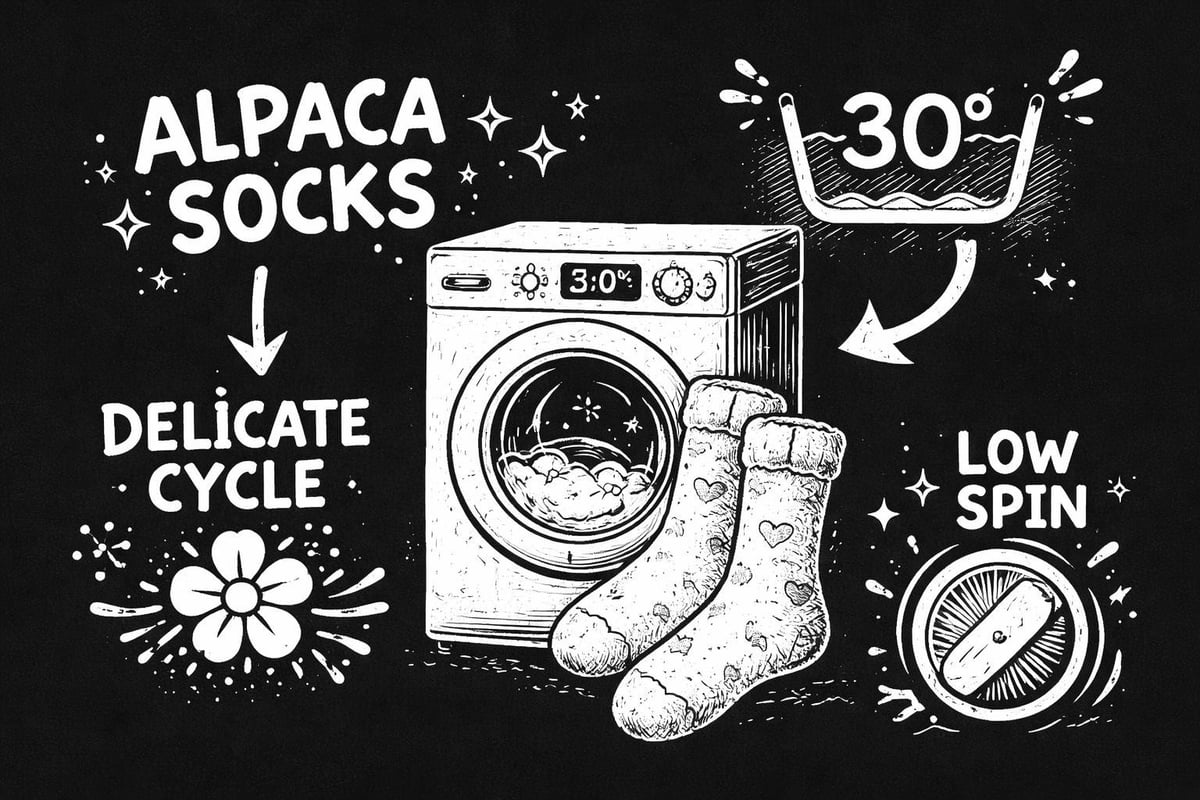
- Temperature: 30°C maximum (cold water setting)
- Cycle type: Delicate, wool, or hand-wash cycle
- Spin speed: 400-600 RPM maximum (low spin)
- Water level: Full or high (more water means less friction)
The Cambridge Sock Company's performance benefits of alpaca socks stem from the fiber's unique structure, which gentle washing preserves while aggressive cycles destroy.
Step-by-Step Machine Washing Process
Following a systematic approach ensures consistent results every time you launder your premium alpaca socks. This detailed process incorporates professional care instructions for alpaca garments while adapting them for modern home washing machines.
The Complete Washing Sequence
Loading the machine:
Start by ensuring your washing machine drum is clean and free from residual detergent or fabric softener from previous loads. Place your mesh bag containing alpaca socks into the empty drum first, then add other compatible delicate items if desired. Never overfill-alpaca socks need space to move freely without excessive tumbling.
Adding detergent:
Pour measured wool-safe detergent directly into the designated dispenser drawer, not onto the socks themselves. Concentrated detergent contact can create uneven cleaning and potential discoloration. For machines without dispensers, dilute detergent in water before adding to the drum.
Starting the cycle:
Double-check your temperature setting shows 30°C before starting. Once the cycle begins, the entire wash process typically takes 30-45 minutes depending on your machine model. Avoid interrupting the cycle mid-wash, as incomplete rinsing leaves detergent residue in fibers.
What Not to Include
| Never Wash With Alpaca Socks | Reason |
|---|---|
| Heavy denim or canvas items | Excessive friction damages fibers |
| Items with zippers or velcro | Can snag and pull delicate knits |
| Heavily soiled work clothes | Dirt particles abrade soft fibers |
| New colored garments | Risk of dye transfer |
| Towels or linens | Lint transfer to alpaca fibers |
Post-Wash Drying and Care
How you dry alpaca socks matters as much as how you wash them. The drying process represents the most common point where well-intentioned sock owners inadvertently damage their premium hosiery.
Never use machine dryers for alpaca socks. The heat and tumbling action causes irreversible shrinkage, felting, and loss of elasticity. Even low-heat or air-dry settings create too much mechanical stress for these delicate fibers.
Proper Drying Technique
- Remove promptly from the washing machine once the cycle completes
- Gently squeeze excess water without wringing or twisting
- Roll in a towel to absorb additional moisture
- Reshape socks to their original dimensions
- Lay flat on a clean, dry towel away from direct heat or sunlight
Drying time typically ranges from 12-24 hours depending on humidity and air circulation. Position socks in a well-ventilated area but avoid forced heat from radiators, heaters, or direct sunlight, which can cause uneven drying and color fading.
The comprehensive care guide for alpaca wool socks emphasizes that patience during drying preserves the fiber's natural elasticity and ensures your socks maintain their original fit.
Frequency and Maintenance Between Washes
Alpaca fibers possess natural antimicrobial properties that resist odor-causing bacteria, meaning these socks require less frequent washing than cotton or synthetic alternatives. Understanding how to wash alpaca socks machine wash 30 includes knowing when washing is actually necessary.
Recommended washing frequency:
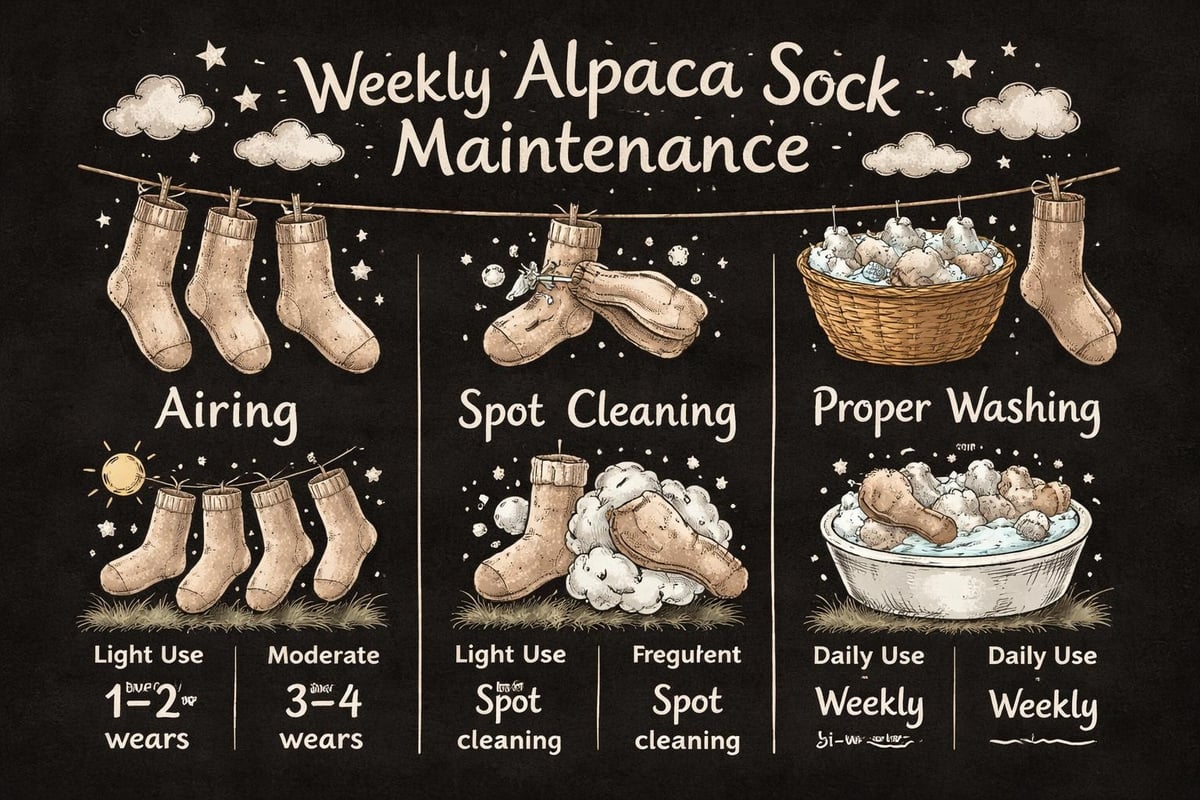
- Light daily wear: Every 3-4 wears
- Active outdoor use: After each wear
- Indoor lounging: Every 5-6 wears
- Seasonal storage: Before and after storage period
Between washes, air your alpaca socks by turning them inside out and hanging them in a well-ventilated area for several hours. This simple practice removes moisture and refreshes fibers without subjecting them to washing stress.
Spot Cleaning Techniques
For minor stains or localized soiling, spot cleaning eliminates the need for a full machine wash:
- Dampen a clean cloth with cool water and wool-safe detergent
- Gently dab the affected area without rubbing aggressively
- Rinse with a separate damp cloth containing only water
- Air dry completely before wearing again
Common Washing Mistakes to Avoid
Even experienced sock enthusiasts make errors when transitioning to premium natural fibers. Learning how to wash alpaca socks machine wash 30 means understanding these pitfalls and actively avoiding them.
The fabric softener trap: Fabric softener coats alpaca fibers with synthetic chemicals that actually reduce softness over time while inhibiting the natural moisture-wicking properties that make these socks exceptional. Alpaca fibers are naturally soft-they don't need chemical enhancement.
The hot water temptation: Some people assume that heavily soiled socks require hot water for effective cleaning. With alpaca socks, the proper aftercare for alpaca products demonstrates that 30°C water combined with appropriate detergent cleans thoroughly without fiber damage.
Quick Reference: Do's and Don'ts
| Do | Don't |
|---|---|
| Use mesh laundry bags | Wash with rough fabrics |
| Select wool or delicate cycle | Use regular or heavy-duty cycles |
| Air dry flat | Machine dry on any setting |
| Store in breathable containers | Keep in plastic bags long-term |
| Turn inside out before washing | Wash right-side out |
Troubleshooting Washing Issues
Sometimes despite best efforts, problems occur. Addressing these issues quickly prevents permanent damage and maintains your socks' premium quality.
Socks feel stiff after washing: This indicates detergent residue buildup. Run an additional rinse cycle with no detergent, or hand rinse in cool water until water runs clear. Future washes should use half the detergent amount.
Slight shrinkage noticed: If socks have shrunk minimally, gently reshape them while damp and allow to dry flat. Avoid stretching aggressively, which damages fibers. Prevent future shrinkage by verifying your machine's actual wash temperature.
Color fading observed: Reduce direct sunlight exposure during drying and consider turning socks inside out during washing. Use color-safe wool detergent formulated to preserve natural dyes.
The experts at Classic Alpaca provide detailed washing instructions that address these common concerns while reinforcing proper technique.
Seasonal Storage and Long-Term Care
Proper washing extends beyond regular maintenance to include seasonal care, particularly for those who wear alpaca socks during outdoor adventures during specific seasons.
Before storing alpaca socks for extended periods:
- Wash thoroughly using the machine wash 30 method
- Ensure complete drying to prevent mildew or musty odors
- Fold loosely rather than balling up tightly
- Store in breathable fabric bags or wrapped in acid-free tissue
- Add natural moth deterrents like cedar blocks or lavender sachets
Plastic containers trap moisture and should be avoided for long-term storage. Natural fiber socks need air circulation even when not in use. Check stored socks every few months and air them out to maintain freshness.
Spring Refresh Protocol
When retrieving alpaca socks from seasonal storage, refresh them before wearing:
- Air them in natural light for 2-3 hours (avoid direct sun)
- Perform a gentle machine wash at 30°C to remove any storage odors
- Dry completely using the flat-lay method
- Inspect for any moth damage or fiber weakness
This refresh cycle ensures your socks return to service in optimal condition, ready to provide the same comfort and performance you expect from premium natural fibers.
Extending Sock Lifespan Through Proper Care
Quality alpaca socks from The Cambridge Sock Company represent a long-term investment in foot comfort. Proper washing technique directly correlates with longevity, with well-maintained alpaca socks easily lasting 5-10 years of regular wear.
Factors that extend sock lifespan:
- Consistent 30°C washing prevents gradual fiber degradation
- Rotation between multiple pairs reduces wear on individual socks
- Proper drying maintains elasticity and shape
- Appropriate storage protects fibers during non-use periods
- Timely repairs of minor damage before it worsens
Consider maintaining at least 7-10 pairs of alpaca socks to allow adequate rotation. This approach means each pair undergoes less frequent washing and mechanical stress, significantly extending their useful life.
Cost-Per-Wear Analysis
| Usage Pattern | Washing Frequency | Expected Lifespan | Cost Per Wear* |
|---|---|---|---|
| Daily rotation (7+ pairs) | Every 4 wears | 8-10 years | £0.03-0.04 |
| Limited rotation (3-4 pairs) | Every 2 wears | 4-6 years | £0.06-0.08 |
| Single pair heavy use | After each wear | 2-3 years | £0.12-0.15 |
*Based on average premium alpaca sock pricing
The mathematics clearly demonstrate that understanding how to wash alpaca socks machine wash 30 and implementing proper rotation maximizes your investment value while ensuring consistent comfort.
Comparing Machine Washing to Hand Washing
While this guide focuses on machine washing, many alpaca sock owners wonder whether hand washing offers superior results. Both methods work effectively when executed properly, with the choice depending on personal preferences and practical considerations.
Machine washing advantages:
- Time-efficient for multiple pairs
- Consistent water temperature control
- Thorough rinsing removes all detergent
- Convenient for regular maintenance
Hand washing advantages:
- Maximum control over agitation level
- Ideal for single pairs or emergency cleaning
- Reduces water and energy consumption
- Gentler on embellishments or special features
For most sock owners, machine washing at 30°C provides the optimal balance of convenience and care quality. The comprehensive care instructions from Alpaca Meadows confirm that modern washing machines on appropriate settings clean alpaca effectively without hand washing's labor intensity.
However, hand washing remains the preferred method for vintage alpaca socks, heavily damaged pairs undergoing repair, or when traveling without access to suitable washing facilities.
Environmental Considerations
Choosing natural fiber socks like those from The Cambridge Sock Company already represents an environmentally conscious decision. Extending this sustainability mindset to washing practices amplifies your positive impact.
Eco-friendly washing practices:
- Cold water washing at 30°C reduces energy consumption by 60-70% compared to hot cycles
- Full loads (with compatible delicates) maximize water and energy efficiency
- Biodegradable detergents prevent synthetic chemicals from entering waterways
- Air drying eliminates energy-intensive tumble drying
- Extended wear between washes reduces overall resource consumption
The natural durability of alpaca fibers means properly cared-for socks avoid landfills for many years, contributing to reduced textile waste. When socks eventually reach end-of-life, pure alpaca fiber is biodegradable and compostable, unlike synthetic blends.
Mastering how to wash alpaca socks machine wash 30 ensures your premium natural fiber socks deliver years of exceptional comfort, warmth, and performance. By following temperature guidelines, using appropriate detergents, and implementing proper drying techniques, you protect your investment while maintaining the luxurious qualities that make alpaca socks special. Whether you're caring for everyday pairs or specialty outdoor socks, these washing practices preserve fiber integrity and extend lifespan significantly. Discover the perfect alpaca socks worthy of this careful attention at The Cambridge Sock Company, where British craftsmanship meets premium natural fibers to keep your feet happy through every season and adventure.