


Finding comfortable socks shouldn't require compromising on skin health, yet millions of people struggle with irritation from conventional sock materials. For those with sensitive skin or wool allergies, hypoallergenic alpaca socks csc represent a breakthrough in foot comfort and wearability. The Cambridge Sock Company has mastered the art of creating premium alpaca socks that combine British craftsmanship with natural fiber excellence, offering a solution that addresses both comfort and skin sensitivity concerns. As awareness grows about natural fiber benefits in 2026, more discerning consumers are discovering why alpaca fiber stands apart from traditional materials.
Understanding Alpaca Fiber's Hypoallergenic Properties
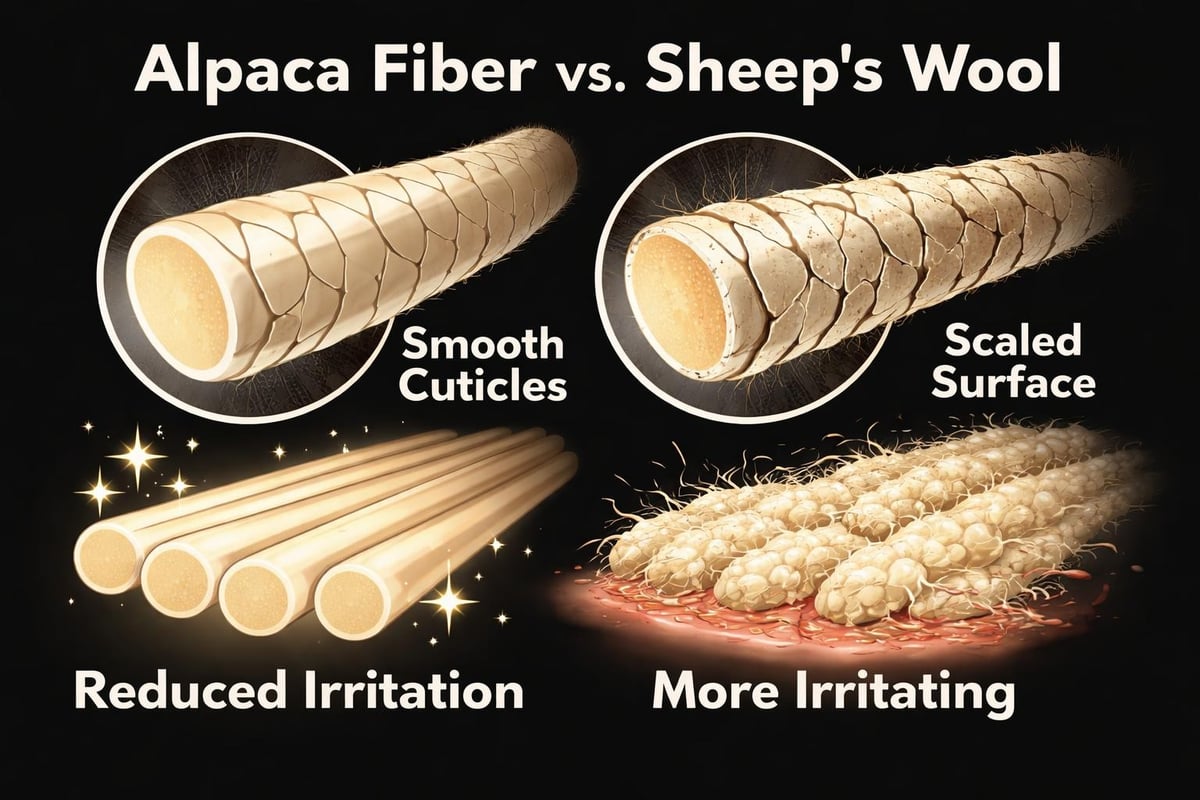
Alpaca fiber possesses unique structural characteristics that make it naturally hypoallergenic. Unlike sheep's wool, which contains lanolin (a common allergen), alpaca fiber is virtually lanolin-free, making it suitable for people who experience reactions to traditional woolen garments.
The fiber structure itself contributes to its gentle nature. Alpaca fibers are smooth and lack the microscopic scales found in sheep's wool that can irritate sensitive skin. This smoothness creates a softer feel against the skin while reducing friction that often leads to redness or discomfort.
Scientific Basis for Reduced Allergic Reactions
Medical research into textile allergies has consistently identified specific proteins in animal fibers as primary triggers for skin reactions. The protein composition of alpaca fiber differs significantly from sheep's wool, containing fewer of the allergenic proteins that cause problems for sensitive individuals.
Key hypoallergenic characteristics include:
- Minimal lanolin content (less than 3% compared to 10-30% in sheep's wool)
- Smooth fiber cuticle structure that doesn't irritate skin
- Lower allergen protein levels than traditional wool
- Natural moisture-wicking that prevents bacterial growth
- Breathable structure that reduces sweat accumulation
The Cambridge Sock Company leverages these natural properties when crafting their alpaca sock collection, ensuring customers receive the full hypoallergenic benefits of premium alpaca fiber.
Benefits of Choosing Hypoallergenic Alpaca Socks CSC
Temperature regulation stands as one of alpaca fiber's most impressive qualities. The hollow fiber structure creates insulating air pockets that keep feet warm in winter while remaining breathable enough for comfortable wear during warmer months. This versatility makes all-season alpaca crew socks practical for year-round wear.
Moisture management capabilities exceed those of most natural fibers. Alpaca wicks moisture away from skin approximately three times more effectively than cotton, reducing dampness that contributes to fungal growth, odor, and discomfort. For individuals with circulation issues or diabetes, this moisture control becomes particularly important.
Durability Meets Comfort
The tensile strength of alpaca fiber surprises many first-time buyers. Despite its softness, alpaca fiber is remarkably strong and resilient, resisting pilling and wear far better than cashmere or merino wool.
| Fiber Type | Tensile Strength | Durability Rating | Hypoallergenic Score |
|---|---|---|---|
| Alpaca | High | Excellent | 9.5/10 |
| Merino Wool | Medium | Good | 7/10 |
| Cotton | Low | Fair | 8/10 |
| Cashmere | Low | Fair | 7.5/10 |
This durability translates to practical benefits. Premium hypoallergenic alpaca socks csc maintain their shape, softness, and appearance through numerous washing cycles. The natural elasticity of alpaca fiber ensures socks return to their original form rather than stretching out or sagging at the ankles.
Health Benefits for Sensitive Feet
People managing conditions like eczema, psoriasis, or general skin sensitivity find particular relief in alpaca socks. The fiber's smoothness and breathability create an environment that minimizes flare-ups and irritation.
Medical benefits documented by users:
- Reduced inflammation from friction and heat
- Lower incidence of contact dermatitis
- Decreased foot odor due to antibacterial properties
- Better circulation from non-restrictive fit
- Fewer pressure points and no itching
The performance benefits of alpaca socks outdoors extend beyond allergy prevention, making them ideal for active individuals who need reliable foot protection during hiking, skiing, or everyday walking.
The Cambridge Sock Company Approach to Quality
British craftsmanship traditions inform every aspect of The Cambridge Sock Company's production process. Rather than mass-producing generic products, the company focuses on thoughtful design that honors both heritage techniques and modern comfort needs.
Sourcing premium alpaca fiber requires establishing relationships with responsible suppliers who maintain high animal welfare standards. The company selects only the finest grades of alpaca fleece, ensuring consistency in softness, strength, and hypoallergenic properties.
Manufacturing Process Excellence
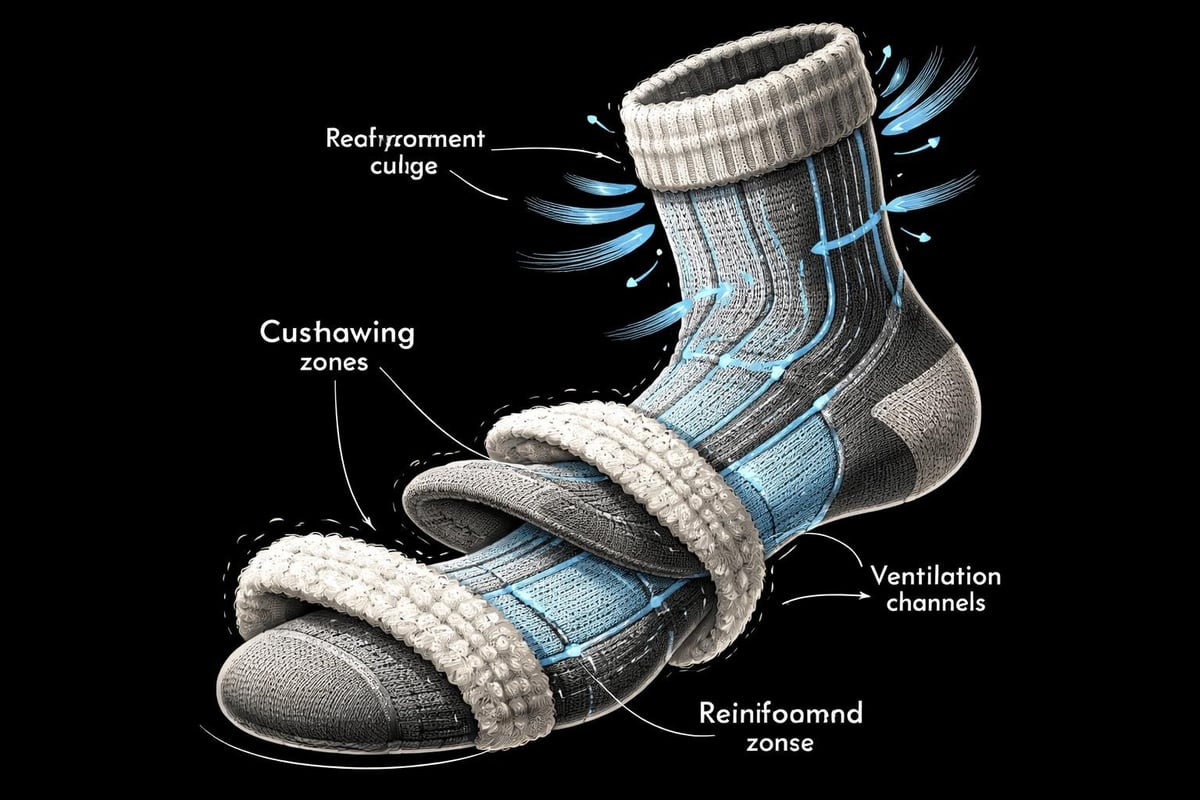
Each pair of hypoallergenic alpaca socks csc undergoes rigorous quality control. The knitting process uses specialized machinery calibrated for alpaca's unique fiber characteristics, creating seamless toe closures and reinforced heel-toe areas without compromising comfort.
Natural fiber blends maximize performance. While pure alpaca offers exceptional benefits, strategic blending with complementary fibers like bamboo or small percentages of nylon enhances specific properties such as elasticity or durability without diminishing hypoallergenic qualities.
The company's dedication to explaining their craft helps customers understand what distinguishes genuinely premium socks from ordinary products marketed with similar claims.
Comparing Alpaca to Other Hypoallergenic Materials
Modern sock manufacturing offers various hypoallergenic options, each with distinct characteristics. Understanding these differences helps consumers make informed decisions based on their specific needs and preferences.
Bamboo fiber has gained popularity for its softness and sustainability. While naturally antibacterial and moisture-wicking, bamboo lacks the thermal regulation capabilities of alpaca and tends to wear more quickly with frequent use.
Material Performance Analysis
Cotton represents the traditional hypoallergenic choice. Pure cotton is gentle on skin and widely available, but its poor moisture management creates dampness problems. Wet cotton loses insulating properties and takes considerable time to dry, making it unsuitable for active wear or cold weather.
Synthetic hypoallergenic fabrics like certain polyesters or moisture-wicking blends offer durability and quick drying. However, they cannot match natural fibers for breathability and tend to retain odors despite antibacterial treatments. Many individuals with chemical sensitivities react poorly to synthetic materials or the treatments applied to them.
Performance comparison for daily wear:
- Warmth retention: Alpaca > Merino > Bamboo > Cotton > Synthetics
- Moisture wicking: Alpaca > Synthetics > Merino > Bamboo > Cotton
- Durability: Alpaca > Synthetics > Merino > Cotton > Bamboo
- Softness: Alpaca > Cashmere > Bamboo > Merino > Cotton
- Hypoallergenic rating: Alpaca > Bamboo > Cotton > Merino > Synthetics
Gentle touch alpaca socks exemplify how focused design using premium alpaca fiber creates products specifically engineered for maximum skin compatibility.
Caring for Your Hypoallergenic Alpaca Socks
Proper maintenance extends the life and performance of premium alpaca socks while preserving their hypoallergenic properties. Fortunately, caring for alpaca requires less effort than many people assume.
Washing frequency depends on use patterns. Alpaca's natural odor resistance and antibacterial properties mean socks often need washing less frequently than cotton or synthetic alternatives. Many wearers find washing after two to three wears sufficient for casual use.
Washing Guidelines
Cold or lukewarm water protects alpaca fibers from felting or shrinking. Hot water causes animal fibers to contract and mat, permanently damaging sock structure. Use gentle, pH-neutral detergents specifically formulated for woolens or delicate fabrics.
Step-by-step washing process:
- Turn socks inside out to protect outer surface
- Place in mesh laundry bag for machine washing
- Select gentle cycle with cold water
- Use wool-specific or mild detergent (no bleach)
- Avoid fabric softeners which coat fibers
- Remove promptly when cycle completes
- Reshape and lay flat to dry
Air drying preserves fiber integrity far better than machine drying. The heat and tumbling action of dryers can damage even the strongest alpaca fibers, causing shrinkage, pilling, or loss of softness. Laying socks flat on a clean towel or drying rack allows them to maintain their shape naturally.
Storage matters for maintaining quality. Keep alpaca socks in a cool, dry location with good air circulation. Cedar blocks or lavender sachets deter moths naturally without chemicals that might irritate sensitive skin.
Selecting the Right Alpaca Sock Style
The Cambridge Sock Company offers diverse styles tailored to different needs and occasions. Understanding which design serves specific purposes helps maximize the benefits of hypoallergenic alpaca socks csc.
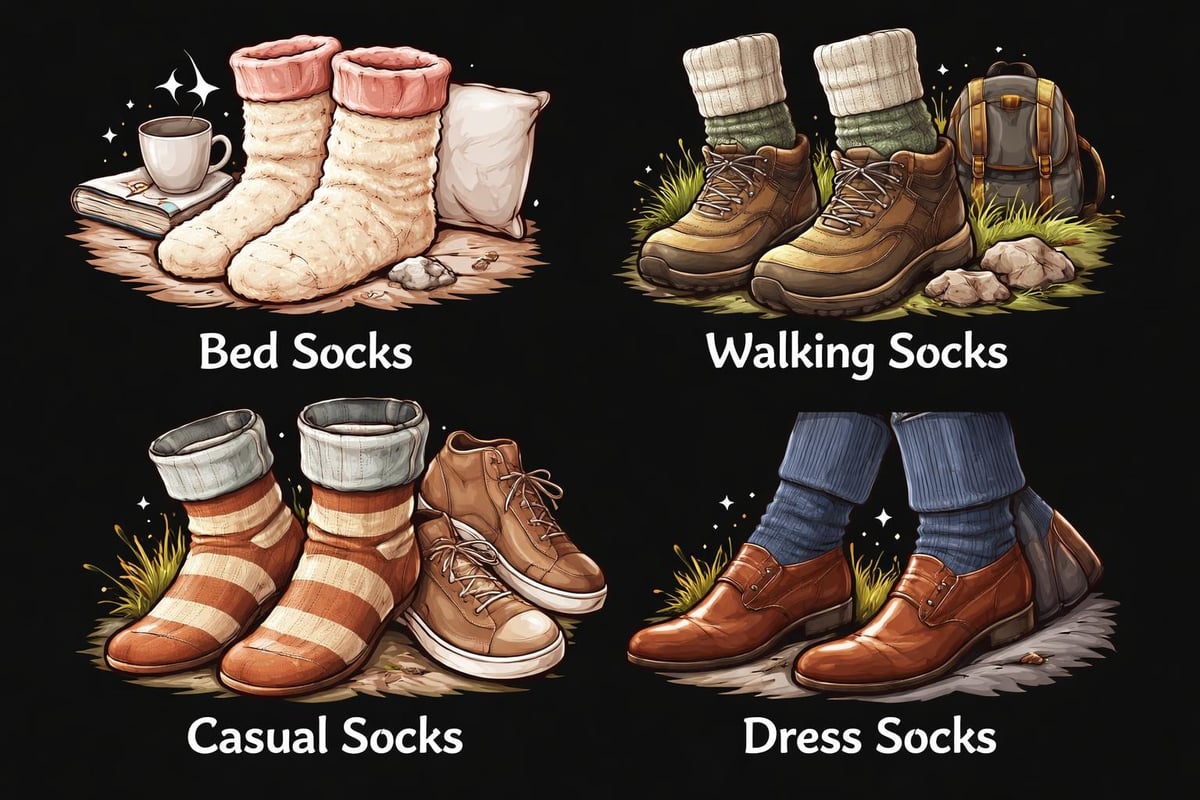
Bed socks prioritize maximum softness and warmth for cozy evenings. These typically feature cushioned soles, relaxed tops that don't constrict circulation, and generous alpaca content for superior temperature regulation during sleep.
Activity-Specific Designs
Walking and hiking socks require additional features beyond basic hypoallergenic properties. Outdoor alpaca socks incorporate targeted cushioning at heel and ball of foot, reinforced high-wear areas, and sometimes graduated compression for improved circulation during extended activity.
| Sock Style | Best For | Key Features | Alpaca Blend |
|---|---|---|---|
| Bed Socks | Evening comfort, cold nights | Extra soft, non-restrictive | 70-90% alpaca |
| Walking Socks | Hiking, outdoor activities | Cushioned, reinforced | 60-80% alpaca |
| Dress Socks | Business, formal occasions | Sleek profile, subtle texture | 50-70% alpaca |
| Boot Socks | Cold weather, outdoor work | High rise, extra warmth | 70-85% alpaca |
Everyday dress styles balance professional appearance with all-day comfort. These feature refined knit patterns, subtle colors suitable for business environments, and sufficient alpaca content to provide hypoallergenic benefits without excessive bulk.
Comfort-focused designs specifically address circulation issues or severe sensitivity. Non-binding tops, seamless construction, and maximum alpaca percentage create optimal conditions for problematic feet.
Real-World Performance and User Experiences
Customer feedback consistently highlights specific benefits that emerge during actual use of hypoallergenic alpaca socks csc. While product specifications provide technical information, real experiences reveal practical advantages that matter in daily life.
Temperature adaptation impresses users across climate zones. Individuals in cold regions appreciate warmth without bulkiness, while those in variable climates value the ability to wear the same socks comfortably across different seasons. This versatility reduces the need for multiple sock wardrobes.
Solving Common Foot Problems
People who previously struggled with perpetually cold feet report significant improvement. Alpaca's superior insulation creates warmth that persists even when socks get slightly damp, unlike cotton which becomes uncomfortably cold when wet.
Individuals managing diabetes or neuropathy find gentle, non-restrictive alpaca socks particularly beneficial. The fiber's natural give accommodates swelling without cutting into skin, while excellent moisture management reduces infection risk.
Athletes and active individuals value performance during demanding activities. Circulation-focused alpaca socks maintain comfort during long runs, hikes, or workdays involving extensive standing without causing the foot fatigue common with inferior materials.
Common problems solved by alpaca socks:
- Persistent itching from wool sensitivity
- Sweaty, overheated feet in standard socks
- Cold feet that never seem to warm up
- Odor problems despite frequent washing
- Blisters from friction during activity
- Circulation discomfort from tight elastic
Office workers appreciate the professional appearance combined with all-day comfort. Unlike cheaper socks that lose elasticity or develop holes quickly, quality alpaca socks from The Cambridge Sock Company maintain their appearance and performance through months of regular wear.
Sustainability and Ethical Considerations
Environmental consciousness influences purchasing decisions more than ever in 2026. Alpaca production offers significant sustainability advantages compared to synthetic fiber manufacturing or even conventional sheep wool farming.
Alpacas have minimal environmental impact. Their soft padded feet don't damage pasture like hooved animals, and they consume less water and food per pound of fiber produced than sheep. Alpacas also don't require the chemical sheep dips used in conventional wool production.
Renewable and Biodegradable
Natural alpaca fiber is completely biodegradable, unlike synthetic alternatives that persist in landfills for decades. When alpaca socks eventually wear out, they can be composted or will naturally decompose, returning nutrients to soil.
The renewable nature of alpaca fleece provides ongoing fiber production without harming animals. Annual shearing actually benefits alpacas by preventing overheating in warm months, making it a genuinely sustainable practice when done ethically.
British manufacturing reduces transportation emissions compared to products made overseas. The Cambridge Sock Company's commitment to local production supports regional employment while minimizing the carbon footprint associated with global shipping.
Quality over quantity represents the ultimate sustainable practice. One pair of well-made hypoallergenic alpaca socks csc that lasts several years proves more environmentally responsible than purchasing multiple cheaper pairs that quickly fail and require replacement.
Investment Value of Premium Alpaca Socks
Initial cost comparison might suggest premium alpaca socks carry a significant price premium over basic cotton or synthetic options. However, comprehensive cost analysis reveals different conclusions when factoring durability, performance, and health benefits.
Longevity dramatically affects per-wear cost. Quality alpaca socks maintain their integrity through 200-300+ wearings, while basic cotton socks often develop holes or lose elasticity within 20-30 wearings. This durability difference means premium socks actually cost less over their lifespan.
Calculating True Value
Health-related savings merit consideration. Reduced skin irritation means less money spent on creams, treatments, or dermatology visits. For individuals with chronic foot problems, finding truly comfortable socks eliminates ongoing expenses managing discomfort.
| Cost Factor | Budget Cotton | Mid-Range Synthetic | Premium Alpaca CSC |
|---|---|---|---|
| Initial pair cost | £3-5 | £8-12 | £18-25 |
| Average lifespan | 3-6 months | 8-12 months | 24-36 months |
| Cost per month | £0.80-1.60 | £0.80-1.20 | £0.60-1.00 |
| Replacement frequency | High | Medium | Low |
| Overall value | Poor | Fair | Excellent |
Performance value extends beyond simple durability. The superior comfort, temperature regulation, and hypoallergenic properties of alpaca provide daily benefits that improve quality of life. This functional superiority has monetary value even if difficult to quantify precisely.
Gift-giving occasions present ideal opportunities to invest in premium socks. Luxury gift boxes from The Cambridge Sock Company offer presentation worthy of special occasions while providing recipients with genuinely useful, high-quality items they'll appreciate with each wearing.
Special Considerations for Sensitive Skin Conditions
Medical conditions affecting skin require particular attention to footwear choices. Hypoallergenic alpaca socks csc address numerous dermatological concerns that make conventional sock materials problematic.
Eczema sufferers often identify wool as a trigger material. The lanolin and rough texture of sheep's wool can provoke flare-ups or worsen existing inflammation. Alpaca's smooth, lanolin-free fibers provide warmth and protection without irritation, making them suitable even during active eczema periods.
Managing Contact Dermatitis
Contact dermatitis from sock materials typically results from either fiber roughness or chemical treatments applied during manufacturing. Premium alpaca socks minimize both risk factors through naturally smooth fibers and minimal chemical processing.
People with psoriasis benefit from alpaca's moisture-wicking properties. Keeping skin dry reduces the scaling and discomfort characteristic of psoriatic lesions. The fiber's softness prevents the mechanical irritation that can trigger the Koebner phenomenon where new psoriatic lesions form at sites of skin trauma.
Dermatologist-recommended features:
- Seamless toe construction to prevent rubbing
- Non-restrictive tops that don't leave marks
- Chemical-free, undyed options for maximum purity
- Adequate cushioning to prevent pressure points
- Breathable construction preventing moisture accumulation
Diabetic foot care protocols emphasize protection without constriction. The natural elasticity of properly blended alpaca allows socks to stay up without tight bands that impede circulation. Combined with moisture control that reduces infection risk, these characteristics make alpaca an excellent choice for diabetic individuals.
Choosing hypoallergenic alpaca socks csc represents an investment in both immediate comfort and long-term foot health, particularly for individuals managing sensitive skin or chronic conditions. The natural properties of alpaca fiber, combined with thoughtful British craftsmanship, create products that genuinely improve daily life through superior performance and gentle contact with skin. Experience the difference that premium natural fibers make by exploring the carefully curated collection at The Cambridge Sock Company, where heritage quality meets modern comfort in every pair.