


Curious about why everyone’s talking about alpaca socks lately? These natural-fibre wonders are changing the way we think about comfort and eco-friendly fashion.
In this essential guide, you’ll meet alpaca socksbehind the fibre and find out what makes them so special in 2026. We’ll explore the origins, craftsmanship, and modern innovations that set these socks apart.
Get ready for a deep dive into alpaca fibre properties, the sock-making process, benefits, care tips, and expert advice on choosing your perfect pair. Let’s discover why alpaca socks are a must-have for your wardrobe.
The Origins of Alpaca Fibre: From Andes to Your Feet
Ever wondered how the journey begins for those ultra-soft, sustainable socks? To truly meet alpaca socksbehind the fibre, we need to step back thousands of years and trace their story from the high Andes to your very own feet. This section explores the fascinating history, modern production, environmental benefits, and the intricate processes that make alpaca fibre so exceptional. For a deeper dive into alpaca wool socks and their origins, check out this Alpaca wool socks guide.

The History of Alpaca Domestication
Alpacas have been domesticated for over 6,000 years, making them one of the oldest fibre animals in the world. In the ancient Andes, especially in Peru, these gentle creatures were treasured by the Inca civilization. The Incas called their fleece the “fibre of the gods,” and reserved the finest garments for royalty.
As time passed, alpaca farming practices evolved. Spanish colonization led to changes in herd management and global interest in alpaca fibre. By the 20th century, the desire to meet alpaca socksbehind the fibre had spread beyond South America. Modern breeders now focus on improving fibre quality, aiming for softness, uniformity, and ethical animal care.
Today, this ancient tradition intersects with innovation, connecting tradition with new generations who appreciate natural luxury.
Alpaca Fibre Production Today
Peru remains the world’s leading alpaca fibre producer, joined by Bolivia, Chile, Australia, and the UK. These countries have developed robust industries focused on both quality and animal welfare.
Sustainable and ethical farming is at the heart of today’s production. Farmers use rotational grazing and gentle handling to ensure alpaca well-being. The annual global yield is around 5,000 tons, according to the Peruvian Ministry of Agriculture (2023).
Climate and altitude play a huge role. Alpacas thrive at high elevations, where cooler temperatures and clean air help produce finer, softer fibres. To truly meet alpaca socksbehind the fibre, one must appreciate the care and precision involved in every stage.
Environmental Impact and Sustainability
Alpacas are eco-friendly grazers. They nibble gently, avoiding overgrazing and protecting fragile mountain ecosystems. Compared to sheep, alpacas use less water and land, giving them a much lower ecological footprint.
When you meet alpaca socksbehind the fibre, you’re choosing a product that is kinder to the planet. Alpaca fibre is naturally biodegradable and requires fewer chemicals during processing. In comparison to wool and synthetic fibres, alpaca offers superior sustainability.
Look for certifications like OEKO-TEX and Fair Trade, which help ensure responsible farming and production. Supporting alpaca socks means supporting ethical, sustainable choices.
Fibre Harvesting and Processing
Shearing alpacas occurs once a year, using humane and stress-free methods. This is essential for both animal comfort and fibre quality. After shearing, fibres are sorted and graded by fineness, length, and natural colour.
Traditional processing involved hand-spinning and weaving. Modern methods now use advanced machinery for consistency and efficiency. Sorting and blending techniques are key to achieving the softness and performance people expect when they meet alpaca socksbehind the fibre.
Each pair of socks begins with careful selection, mindful processing, and a commitment to quality that stretches from the Andes to your sock drawer.
The Science Behind the Fibre: What Makes Alpaca Socks Unique?
Curious about what sets alpaca socks apart from the rest? In this section, we meet alpaca socksbehind the fibre and unpack the science that makes these socks a game changer for comfort, performance, and sustainability. Discover how the unique structure and natural properties of alpaca fibre are redefining what you expect from your everyday socks.
Physical Properties of Alpaca Fibre
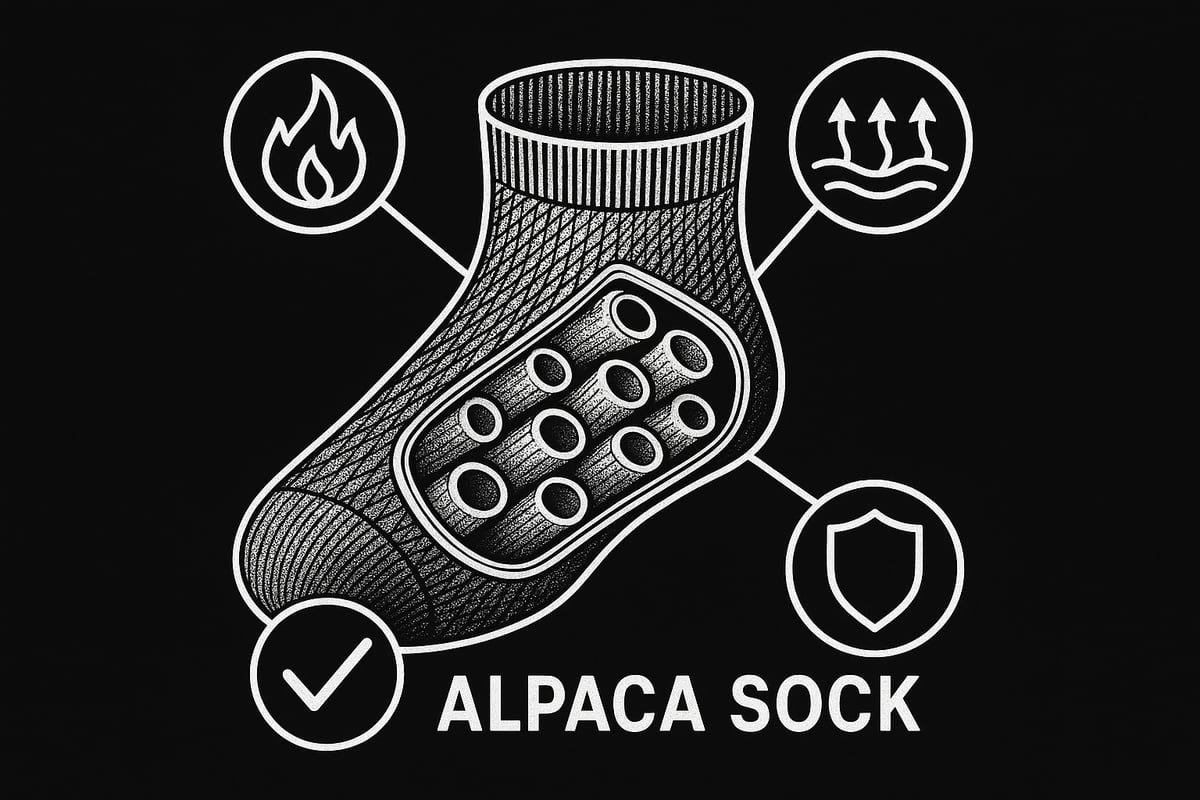
When we meet alpaca socksbehind the fibre, the first thing to notice is their remarkable structure. Alpaca fibres have a hollow core, making them both lightweight and highly insulating. This unique core traps air, which creates a natural thermal barrier.
Fibre fineness is key. Premium alpaca socks often use fibres between 18–25 microns, resulting in a buttery-soft feel against the skin. Unlike sheep’s wool, alpaca comes in 22 natural colours, ranging from white to deep black.
Scientific studies, such as the Alpaca Fibre Characteristics Study, confirm that Huacaya alpaca fibres are prized for their uniform diameter, minimal scale structure, and exceptional softness. This makes them an ideal foundation for luxury socks.
Comfort and Performance Benefits
What makes meet alpaca socksbehind the fibre truly special is the way they feel throughout the day. Thanks to their hollow fibre, they regulate temperature efficiently, keeping feet warm in winter and cool in summer.
Alpaca socks can absorb up to three times more moisture than cotton, pulling sweat away from the skin and keeping feet dry. They are hypoallergenic, as they contain no lanolin, making them suitable for sensitive skin.
Another perk of meet alpaca socksbehind the fibre is their natural odour resistance. Alpaca fibres have antimicrobial properties that help prevent bacteria buildup, so your socks stay fresher for longer.
- Moisture wicking for dry feet
- Soft on sensitive skin
- Reduces odour after long wear
Durability and Longevity
Durability is another hallmark when you meet alpaca socksbehind the fibre. Alpaca fibres are stronger than wool, which means socks made from them are less likely to pill or break.
Even after repeated washing, alpaca socks retain their shape and softness. Consumer reviews consistently show that these socks last two to three times longer than standard cotton socks.
Here’s a quick comparison:
| Feature | Alpaca Socks | Cotton Socks | Wool Socks |
|---|---|---|---|
| Lifespan | 2–4 years | 1 year | 1–2 years |
| Pilling | Rare | Common | Occasional |
| Shape Retention | Excellent | Fair | Good |
Meet alpaca socksbehind the fibre, and you’ll find an investment that pays off in long-lasting comfort.
Comparing Alpaca to Other Natural Fibres
To truly appreciate meet alpaca socksbehind the fibre, let’s see how they compare to other options.
- Alpaca vs. Merino Wool: Alpaca is softer, warmer, and more breathable due to its hollow fibres.
- Alpaca vs. Cashmere: Alpaca offers greater durability and a more accessible price, while remaining luxuriously soft.
- Alpaca vs. Synthetic Fibres: Alpaca is eco-friendly, biodegradable, and free from harsh chemicals, unlike most synthetics.
This comparison highlights why so many people are making the switch and seeking to meet alpaca socksbehind the fibre for their everyday and outdoor needs.
Innovations in Alpaca Sock Technology
Modern innovation is shaping how we meet alpaca socksbehind the fibre. Today’s manufacturers blend alpaca with fibres like nylon or elastane for added stretch and resilience.
Advances in spinning and knitting have led to seamless designs, reducing irritation and boosting comfort. Eco-friendly dyes and finishing processes mean even those with the most sensitive skin can enjoy alpaca socks.
Key innovations include:
- Seamless toe construction
- Reinforced heels and toes
- Eco-conscious production methods
As you meet alpaca socksbehind the fibre in 2026, expect a blend of tradition and technology that pushes the boundaries of comfort and sustainability.
Crafting the Perfect Alpaca Sock: From Farm to Foot
The journey to meet alpaca socksbehind the fibre is a fascinating blend of tradition, science, and artistry. Each stage, from sourcing fleece in the Andes to slipping on a finished sock, shapes the comfort and quality you feel. Let us explore how expert craftsmanship turns raw alpaca fibre into a sock that stands out in both performance and sustainability.
Sourcing and Selecting Premium Fibre
Every great sock starts with exceptional fibre. Growers select alpacas for their fleece based on softness, length, and consistency. The best comes from animals raised in ethical, low-stress environments. This ensures both quality and animal welfare.
Local sourcing is vital, especially when you want to meet alpaca socksbehind the fibre with transparency. Farms in Peru, the UK, and Australia often use selective breeding to yield "baby alpaca" fleece. This term refers to the finest, softest fibres, not the age of the animal. These premium fleeces are prized for their silky feel and warmth.
Key selection criteria:
- Fineness (measured in microns)
- Fibre length (longer is smoother)
- Colour purity (natural shades or dye-ready)
- Ethical farming certifications
By starting with the best raw material, makers ensure each sock delivers exceptional comfort and durability.
Spinning and Yarn Preparation
Once the fibre is sorted, the next step in the meet alpaca socksbehind the fibre process is transforming it into yarn. Carding aligns the fibres, removing debris and making them uniform. This step is crucial for a smooth, even texture.
Spinners may blend alpaca with a small percentage of nylon or elastane. This subtle addition increases stretch and strength without sacrificing softness. Yarn thickness is carefully chosen to match the intended use—thicker for winter warmth, finer for breathable everyday wear.
The spinning process balances tradition and innovation. While some mills use age-old hand-spinning techniques, others employ modern machinery for consistency. Either way, preparing the yarn correctly ensures the finished sock will be both strong and soft.
Knitting Techniques and Sock Design
The art of knitting brings the meet alpaca socksbehind the fibre story to life. Sock makers use both traditional hand-knitting and advanced machines, depending on the design and batch size. Hand-knitting allows for unique patterns and custom fits, while machines offer uniformity and speed.
Key design features include:
- Seamless toe construction, which reduces irritation for sensitive feet
- Ribbed cuffs to hold socks in place without tightness
- Cushioned soles for added comfort during long wear
- Reinforced heels and toes for extended durability
Modern knitting technology enables intricate designs and targeted support zones. Whether you prefer classic or contemporary styles, every detail is crafted to enhance your daily comfort.
Quality Control and Finishing
Quality control is the unsung hero in the meet alpaca socksbehind the fibre process. After knitting, each sock is carefully inspected for defects, size, and consistency. Skilled workers look for even stitching and flawless seams.
The socks are then gently washed using mild, wool-friendly detergents. This step locks in softness and removes any residual oils. Finishing touches may include brushing the fibre to maximize its plush texture.
Eco-friendly packaging is increasingly popular. Many brands now use recycled paper bands or compostable bags, making the final product as sustainable as the fibre itself. Attention to detail at every stage ensures you receive a sock that feels as good as it looks.
The Cambridge Sock Company: British Craftsmanship in Alpaca Socks
To truly meet alpaca socksbehind the fibre, consider the dedication of The Cambridge Sock Company. This British brand is committed to using natural fibres, traditional techniques, and responsible sourcing. Their socks are crafted in local mills, supporting skilled artisans and regional economies.
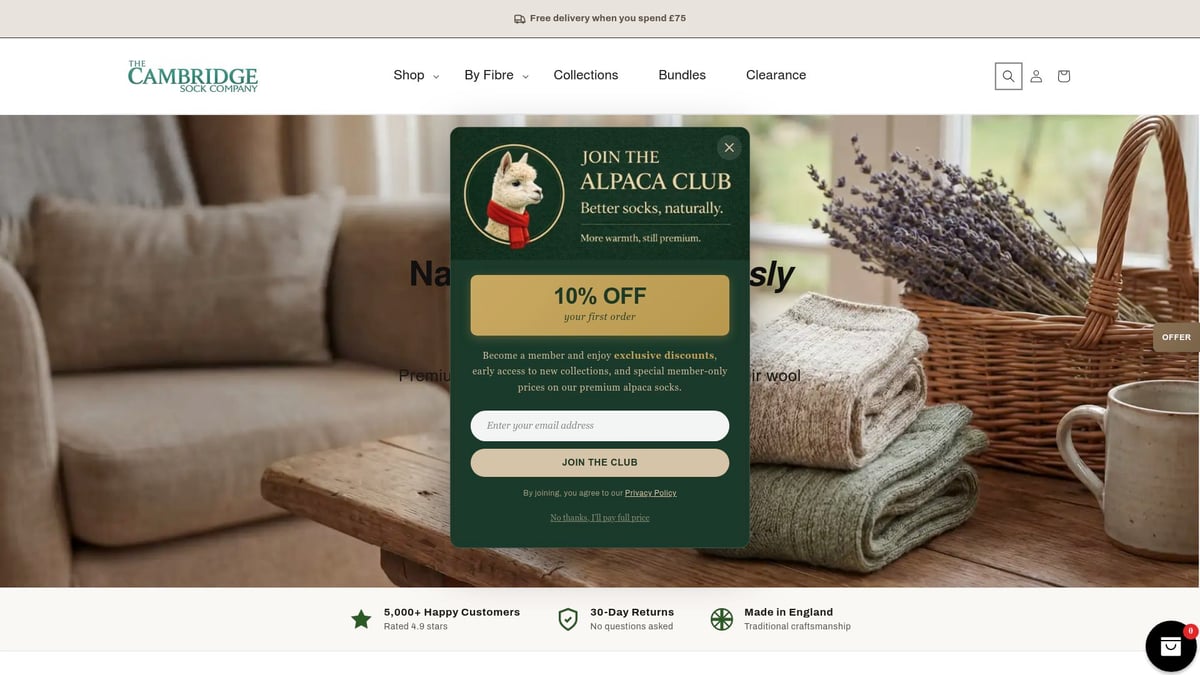
Popular styles include bed socks for cozy nights, walking socks for the outdoors, and everyday socks for all seasons. The company offers hypoallergenic options, multi-buy deals, and maintains a 4.9-star average rating. Their approach prioritizes both comfort and sustainability.
For a deeper look at their craft, explore their story in British-made alpaca fur socks, where tradition meets innovation in every pair.
The Benefits of Choosing Alpaca Socks in 2026
Choosing the right socks can transform your daily comfort, health, and even your environmental impact. In this section, we reveal why so many people are turning to meet alpaca socksbehind the fibre for their next pair. Let’s explore the many advantages that set alpaca socks apart in 2026.
Unmatched Comfort for Everyday Wear
If you crave all-day comfort, meet alpaca socksbehind the fibre deliver a plush feel that rivals luxury. Alpaca fibre is renowned for its buttery softness, providing gentle cushioning with every step. Thanks to its unique hollow-core structure, these socks naturally regulate temperature, keeping your feet warm on cold mornings and cool throughout summer days.
Unlike ordinary socks, alpaca options are lightweight yet insulating, making them perfect for both lounging indoors and tackling outdoor adventures. For a deeper dive into the comfort and performance advantages, check out these alpaca socks performance benefits.
Health and Skin Benefits
Sensitive skin? Meet alpaca socksbehind the fibre are hypoallergenic, making them a smart choice for anyone dealing with eczema or allergies. Alpaca fibre contains no lanolin, so it won’t trigger common wool reactions. Its superior moisture-wicking ability draws sweat away, reducing the risk of blisters or fungal issues.
People who struggle with foot discomfort often find relief with alpaca socks, as they help keep skin dry and irritation-free. These benefits make alpaca socks a reliable option for daily wear and active lifestyles.
Durability and Value
When it comes to durability, meet alpaca socksbehind the fibre truly stand out. Alpaca fibres are naturally resilient, so socks retain their shape and plushness after many washes. This means fewer replacements and greater value over time.
Hikers and outdoor enthusiasts often report that one pair of alpaca socks lasts through multiple treks, reducing the need for frequent changes. Investing in quality alpaca socks is a cost-effective choice that pays off in the long run.
Eco-Friendly and Ethical Choice
Choosing meet alpaca socksbehind the fibre supports eco-friendly practices. Alpaca farming requires less water and land compared to traditional sheep, resulting in a smaller carbon footprint. Alpacas also graze gently, helping to prevent overgrazing and soil erosion.
Look for certifications like OEKO-TEX or Fair Trade to ensure your socks are produced with ethical and sustainable standards. By making this choice, you support animal welfare and responsible agriculture, all while enjoying premium comfort.
Style and Versatility
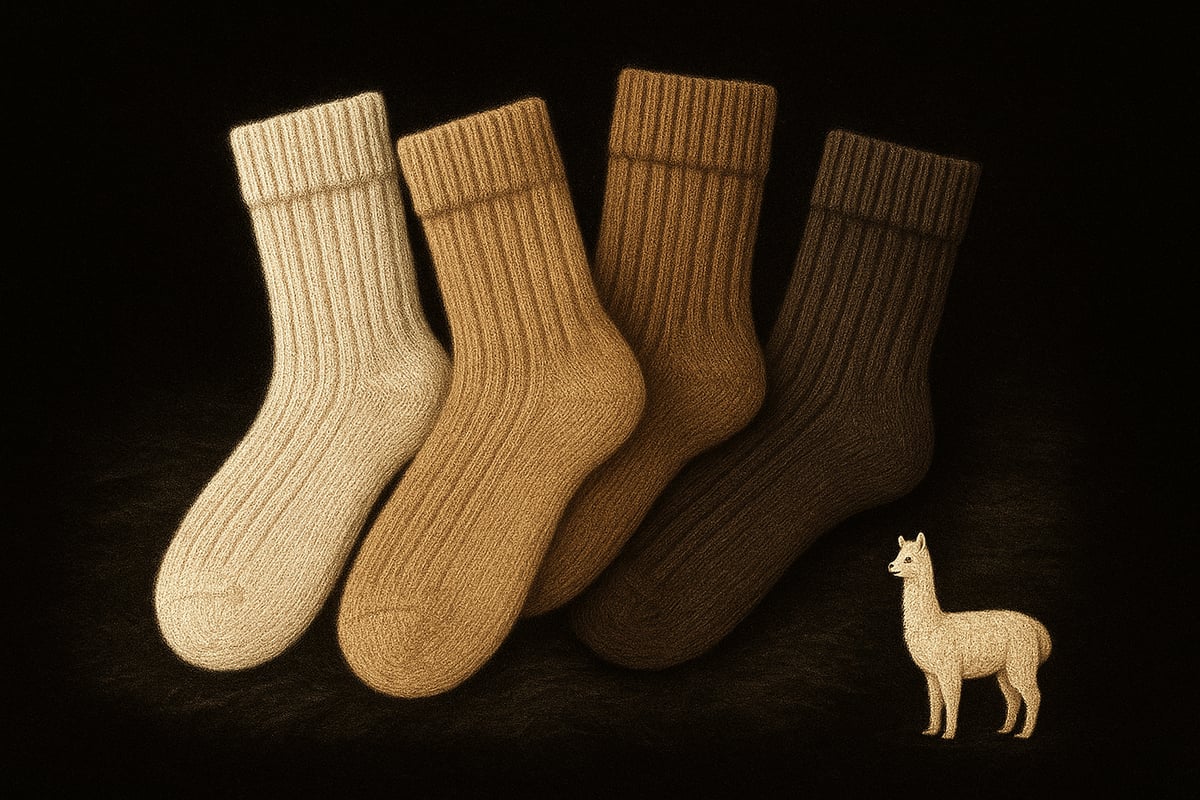
Meet alpaca socksbehind the fibre combine function and fashion. With a wide range of natural colours and eye-catching patterns, these socks suit every occasion—whether you’re heading to work, relaxing at home, or searching for a thoughtful gift.
Their versatility extends to different styles, from cozy bed socks to rugged hiking pairs. Outdoor lovers and luxury shoppers alike appreciate the blend of performance, style, and comfort alpaca socks offer.
How to Choose the Best Alpaca Socks: A Step-by-Step Guide
Choosing the perfect pair of alpaca socks can feel like a journey through the world of natural comfort and modern innovation. This step-by-step guide will help you navigate the essentials, ensuring you find the ideal socks to meet alpaca socksbehind the fibre standards for quality and performance.
Step 1: Assess Your Needs
Begin your search by considering when and how you’ll wear your alpaca socks. Are you looking for everyday comfort, hiking durability, cozy sleep socks, or sports performance? Climate matters too—do you need warmth for winter or breathability for summer? If you have sensitive skin or allergies, hypoallergenic options are essential.
Think about your activity level and personal preferences. By starting with these questions, you ensure your choice of meet alpaca socksbehind the fibre aligns with your lifestyle and comfort expectations.
Step 2: Understand Sock Types and Features
Alpaca socks come in various types, each offering unique benefits. Crew, ankle, bed, boot, and walking socks cater to different needs. Key features to consider include cushioning for support, seamless toes to prevent irritation, ribbed tops for a secure fit, and reinforced heels or toes for extra durability.
Thickness and intended use are also important. Do you prefer plush, thick socks for lounging, or lightweight options for layering? Matching these features with your needs ensures your meet alpaca socksbehind the fibre experience is tailored and comfortable.
Step 3: Evaluate Fibre Quality and Sourcing
Quality begins at the fibre level. Look for socks made from fine fibres (18–25 microns) or labeled as “baby alpaca” for extra softness. Check if the brand highlights ethical sourcing and sustainability certifications. These details not only impact comfort but also reflect responsible production.
Consider if you want pure alpaca or a blend for added stretch. When you choose meet alpaca socksbehind the fibre with high-quality, ethically sourced materials, you’re investing in both comfort and conscience.
Step 4: Check Sizing and Fit
Proper sizing is crucial for comfort and performance. Look for detailed sizing charts and options for specialized fits, such as wide calves or smaller feet. Review brand return policies and customer feedback to ensure the socks will fit you well.
A good fit means your meet alpaca socksbehind the fibre will stay in place, prevent blisters, and feel great throughout the day. Take the time to measure your feet and compare with brand recommendations for best results.
Step 5: Consider Care and Maintenance
Alpaca socks are easy to care for when you follow simple instructions. Most recommend gentle hand washing or a cool, delicate machine cycle with mild detergent. Air drying helps preserve the natural fibres and maintain softness.
Proper care extends the life of your meet alpaca socksbehind the fibre, allowing you to enjoy their comfort and performance for years. Always check the label and avoid harsh chemicals or heat.
Step 6: Compare Brands and Pricing
Finally, compare brands for quality, value, and customer service. Prices range from budget to luxury, so consider multi-buy offers or bundles for savings. Reading verified reviews gives you insight into real-world performance and satisfaction.
Ready to take the next step? Explore a curated range and apply these tips by visiting the Shop alpaca socks collection for options that meet alpaca socksbehind the fibre standards.
Caring for Your Alpaca Socks: Maintenance Tips for Longevity
Caring for your alpaca socks is essential to experience the full benefits highlighted in meet alpaca socksbehind the fibre. With the right approach, your socks will stay soft, durable, and comfortable for years. Let’s break down the best ways to wash, store, and maintain your favorite pairs.
Proper Washing and Drying Techniques
Gentle care preserves the plush feel and longevity found in meet alpaca socksbehind the fibre. Always wash alpaca socks by hand or on a gentle cycle with cool water. Use a mild, wool-safe detergent to avoid damaging the fibres.
- Avoid using bleach or fabric softeners, as these can weaken the structure.
- Rinse thoroughly to remove all soap residue.
- Air dry your socks flat, away from direct sunlight or heat sources.
Tumble drying is not recommended, as it can cause shrinkage. Proper washing techniques ensure your socks remain as soft and insulating as the day you bought them.
Storing and Preserving Softness
Maintaining the softness of meet alpaca socksbehind the fibre starts with thoughtful storage. Keep socks in a cool, dry place to prevent moisture buildup and moth damage.
- Fold socks gently rather than hanging to help them keep their shape.
- Use cedar balls or lavender sachets to naturally deter pests.
- Avoid overcrowding drawers to let fibres breathe.
Regularly rotating your socks also helps preserve their texture. With these habits, you’ll enjoy the cloud-like comfort of your socks every time you slip them on.
Troubleshooting Common Issues
Even the best care routines can’t prevent every issue. Meet alpaca socksbehind the fibre sometimes develop pilling, fuzz, or minor holes with frequent use. To address pilling, use a gentle de-pilling comb or fabric shaver.
Common problems and solutions:
| Issue | Solution |
|---|---|
| Pilling | Gently remove with comb |
| Shrinkage | Reshape damp, air dry |
| Holes | Mend with needle/thread |
If you notice unusual wear, it’s helpful to understand the fibre’s strengths and weaknesses. For a deeper comparison of fibre durability, see this comparative study on the mechanical properties of alpaca and wool fibres. Regular care ensures issues remain minor and manageable.
When to Replace Your Alpaca Socks
Knowing when to retire meet alpaca socksbehind the fibre is part of sustainable ownership. Signs it’s time to replace include thinning fabric, loss of elasticity, or persistent holes.
Most alpaca socks last between two and four years, depending on wear and maintenance. If your socks have reached the end of their life, consider recycling or upcycling them into cleaning cloths or craft projects.
By monitoring their condition and replacing as needed, you ensure your feet always enjoy the best in comfort and performance.