


Imagine slipping your feet into socks so luxuriously soft and warm, you’ll never look at ordinary socks the same way again. In recent years, alpaca socks have emerged as a favorite for those who crave comfort, outdoor adventure, and a touch of style.
But what are alpaca socks, and why are they getting so much attention? Many people wonder how they compare to classic wool or cotton options, and if they truly deliver on their promise of superior comfort.
This guide will reveal the science, benefits, and care tips that make alpaca socks a standout choice for 2026. Ready to discover what sets them apart? Let’s dive in and find out how to choose the perfect pair for your needs.
What Are Alpaca Socks? Origins, Fiber Science & Modern Appeal
Imagine slipping your feet into a pair of socks that feel both ancient and cutting-edge. If you’ve ever wondered what are alpaca socks, their story is as rich as their texture. Let’s unravel their journey from Andean highlands to modern wardrobes.

The History of Alpaca Fiber in Textiles
Alpacas were first domesticated in the Andes of South America thousands of years ago. The Incan royalty treasured alpaca fiber for its softness and warmth, often calling it the "fiber of the gods." Artisans hand-spun this luxury fiber into garments reserved for nobility.
Over time, alpaca fiber transitioned from traditional handcraft to sophisticated modern production. Today, regions like the Peruvian highlands remain the world’s largest source of alpaca fiber, with the UK and USA also playing important roles in farming and textile innovation.
This global spread has propelled what are alpaca socks into the spotlight, making them accessible to comfort seekers everywhere.
The Science Behind Alpaca Fiber
Curious about what are alpaca socks made of? Alpaca fibers have a unique hollow core and smooth surface, making them incredibly soft and lightweight. Compared to sheep’s wool, alpaca fibers typically have a lower micron count, meaning they feel softer against the skin.
Alpaca fiber contains no lanolin, so it’s naturally hypoallergenic. It’s also three times more absorbent than cotton, efficiently wicking away moisture. The fibers regulate temperature well, keeping feet comfortable in both cold and warm conditions.
This scientific edge is why what are alpaca socks is a question more people are asking every year.
Types of Alpaca Socks on the Market
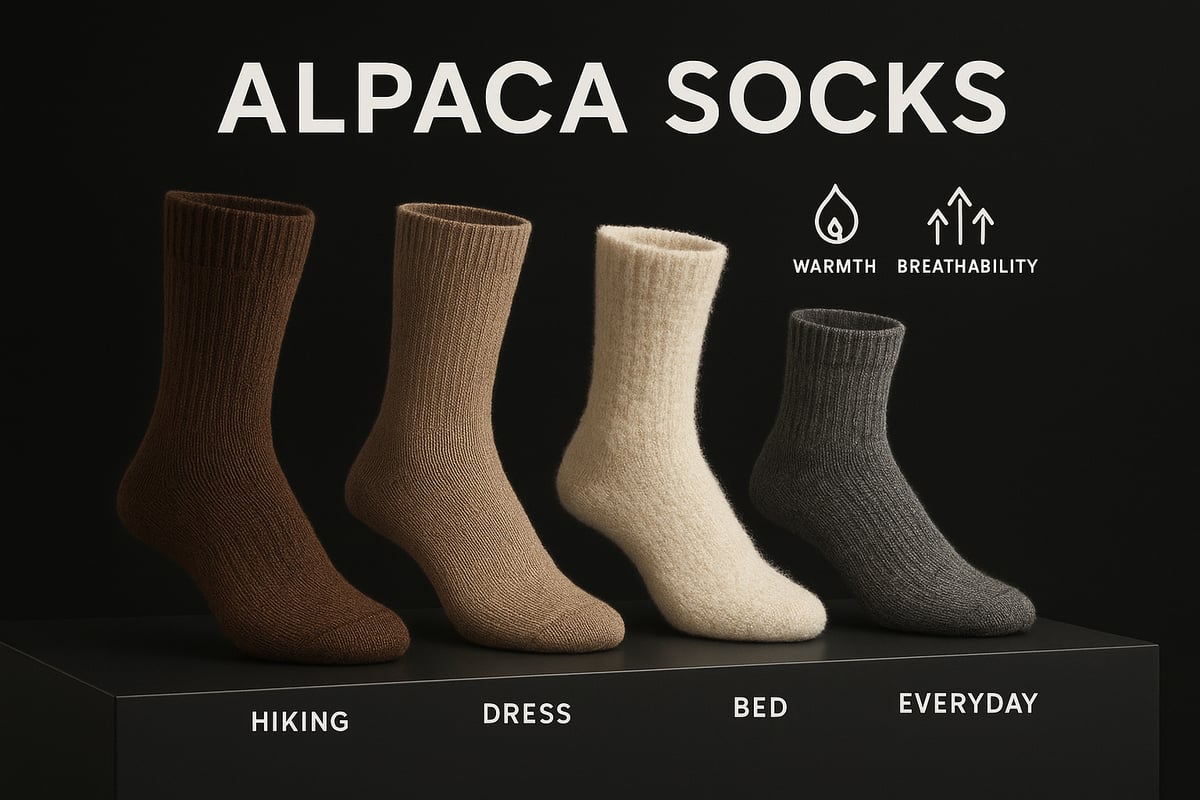
If you’re exploring what are alpaca socks, you’ll find a variety of styles to suit every need:
- Everyday socks for daily wear
- Walking and hiking socks, often with reinforced heels and toes
- Bed socks for extra nighttime warmth
- Dress socks for formal occasions
Some socks are pure alpaca, while others blend alpaca with nylon or elastane for durability. Those with sensitive skin can choose specialty options designed for maximum comfort. No matter your lifestyle, there’s an alpaca sock to fit.
The 2026 Alpaca Sock Trend: Why Now?
Have you noticed more people searching for what are alpaca socks? The answer lies in the global shift toward sustainable and natural fibers. Consumers are becoming more aware of eco-friendly production and ethical sourcing.
Celebrity endorsements and influencer posts have fueled the trend. According to recent market projections, natural fiber socks are seeing significant growth from 2023 to 2026, with more people choosing alpaca over synthetic options.
This shift is not just about fashion, but about prioritizing comfort, ethics, and environmental responsibility.
Key Benefits That Set Alpaca Socks Apart
So, what are alpaca socks truly known for? Their standout qualities include:
- Exceptional softness and comfort for all-day wear
- Natural temperature regulation in every season
- Odor resistance and easy-care properties
- Long-lasting durability for better value
- Positive testimonials from outdoor enthusiasts and everyday users
If you want to dive deeper into what makes these socks so unique, check out What Makes Alpaca Socks Special for more insight into their science and benefits.
Alpaca socks aren’t just a trend—they’re a comfort revolution rooted in ancient wisdom and modern technology.
The Benefits of Alpaca Socks: Comfort, Health, and Performance
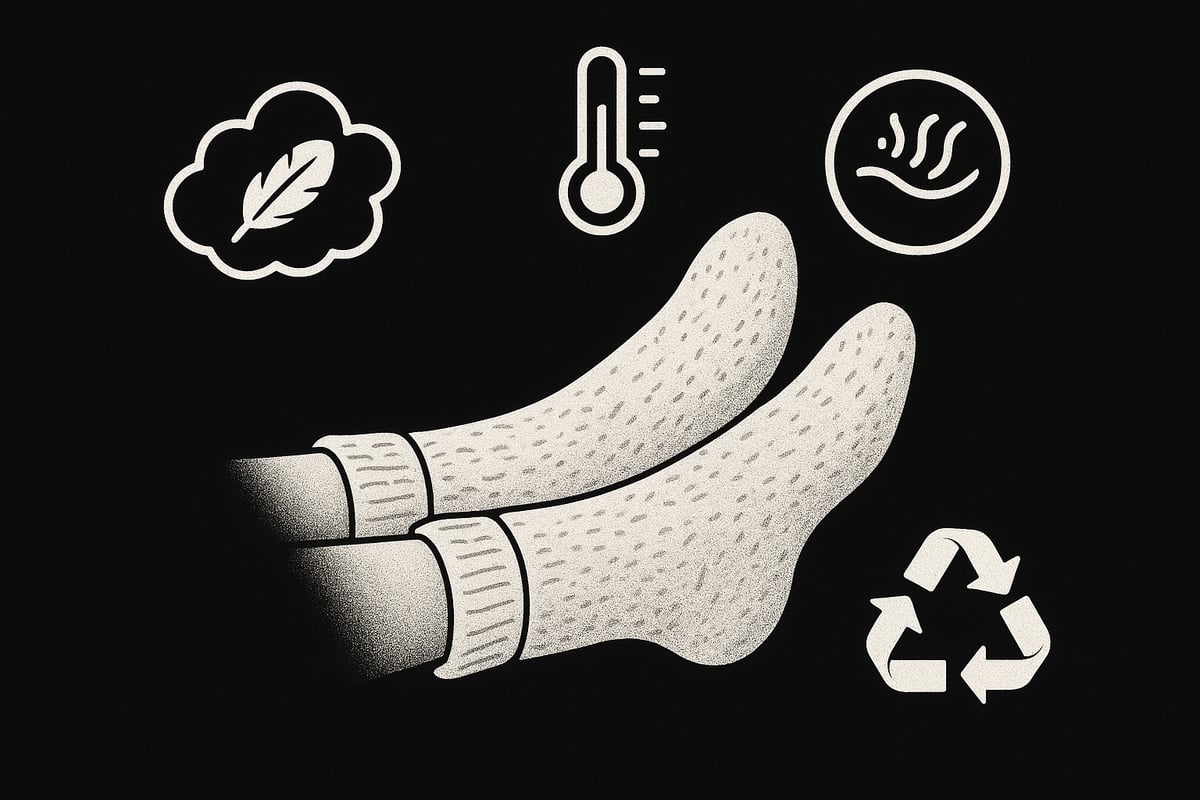
Imagine asking yourself, what are alpaca socks and why do so many people rave about them? Alpaca socks have quickly become a favorite for those seeking superior comfort, health benefits, and reliable performance in every season. Let’s break down the unique advantages that make alpaca socks stand out.
Unmatched Comfort and Softness
When you slip on a pair, you immediately understand what are alpaca socks all about. The silky texture feels gentle against the skin, unlike traditional wool or cotton. Even those with the most sensitive skin can enjoy alpaca socks without any itchiness.
- Silky smooth fibers
- No irritation for sensitive skin
- Suitable for both kids and adults
User reviews often mention all-day comfort, with many saying they forget they’re even wearing socks. If you have ever struggled with itchy or rough socks, alpaca could be your new favorite.
Temperature Regulation and Breathability
A key reason people ask what are alpaca socks is their incredible ability to keep feet at the perfect temperature year-round. Thanks to their hollow fiber structure, alpaca socks trap warmth in cold weather and release heat when it’s hot.
- Keeps feet warm in winter
- Prevents overheating in summer
- Perfect for unpredictable climates
In a 2025 survey, alpaca socks were rated top for temperature versatility. This makes them ideal for outdoor adventures or anyone who wants reliable comfort regardless of the season.
Moisture-Wicking and Odor Resistance
If you’re wondering what are alpaca socks and how they handle moisture, you’ll be impressed. Alpaca fibers absorb moisture efficiently, keeping feet dry and reducing the risk of blisters or athlete’s foot.
- Superior moisture-wicking keeps feet dry
- Naturally resists bacteria and odor
- Less washing required
Hikers often report dry, comfortable feet after long treks. The antimicrobial properties of alpaca fiber also help prevent odor buildup, so your socks stay fresher for longer.
Hypoallergenic and Sensitive Skin Friendly
One of the top questions about what are alpaca socks is whether they’re safe for sensitive skin. Unlike sheep’s wool, alpaca is lanolin-free, making it hypoallergenic and gentle for those with eczema or allergies.
- No lanolin, so no common wool allergens
- Recommended by some dermatologists
- Great for people with skin conditions
In 2026, dermatologists are increasingly recommending alpaca socks for their hypoallergenic qualities, making them a smart choice for anyone prone to irritation.
Durability and Longevity
When people ask what are alpaca socks, durability is often a big part of the answer. Alpaca fibers are strong and resilient, meaning your socks will last much longer than many alternatives.
- Resist wear and tear
- Maintain shape and softness after washing
- Cost-effective over time
Data shows alpaca socks can last two to three times longer than cotton socks. This longevity makes them a wise investment, even if the initial price is higher.
Eco-Friendly and Ethical Production
Today’s consumers care about sustainability, and many want to know what are alpaca socks in terms of ethical impact. Alpaca farming has a low environmental footprint, and the fiber is both renewable and biodegradable.
- Supports fair trade and artisanal communities
- Low-impact farming practices
- Biodegradable materials
Look for eco-labels and certifications to ensure your socks come from responsible sources. Many brands are committed to ethical production, supporting both the environment and the people who make these luxurious socks.
How to Choose the Best Alpaca Socks in 2026: Features, Fit & Shopping Tips
Finding the perfect pair of alpaca socks is about more than just picking a color or style. With so many options on the market, understanding what are alpaca socks and what makes them unique is key to making a confident choice. In this section, we break down the crucial features, fit tips, types, care, value, and the best places to shop for authentic alpaca socks in 2026.
Key Features to Look For
When deciding what are alpaca socks and how to choose the best pair, start by examining the fiber content. Look for socks with a high percentage of alpaca fiber—ideally 60% or more—for maximum softness and benefits.
Pay attention to knit density and thickness. Thicker knits offer extra warmth, while lighter options are great for everyday wear. Reinforced stress zones at the heel, toe, and sole increase durability, a hallmark of quality alpaca socks.
Check for non-binding tops, especially if you need gentle support without restricting circulation. These features make alpaca socks comfortable for long-term wear and a variety of activities.
Sizing and Fit Considerations
Getting the right fit is crucial when exploring what are alpaca socks. Most brands offer standard sizing, but some provide extended sizes for broader feet or calves.
Many alpaca socks are unisex, but there are also gender-specific designs for a tailored fit. Always consult sizing charts from leading brands, especially when shopping online.
If you are unsure, measure your foot and compare it to brand guidelines. This ensures comfort whether you are buying for yourself or as a thoughtful gift.
Types of Alpaca Socks for Different Needs
Alpaca socks come in many types to suit every lifestyle. If you are looking for daily comfort, choose everyday or work socks. Hiking and outdoor socks feature thicker knits and reinforced areas for extra durability.
Bed and lounge socks are ultra-soft and perfect for relaxing at home. Dress and formal alpaca socks offer a sleek, refined look suitable for professional settings. There are also compression and health-focused options for those with specific needs.
No matter your preference, understanding what are alpaca socks helps you find your ideal pair.
Care and Washing Instructions
Proper care is essential to maintain the luxurious feel of alpaca socks. Most are machine washable on a gentle cycle, but some recommend hand washing for best results.
Use mild detergents and cool water to preserve fiber softness and shape. Avoid bleach or harsh chemicals, as they can damage natural fibers.
Air drying is preferred over machine drying. Lay socks flat to dry, which helps prevent stretching and keeps them looking new for longer.
Price Ranges and Value Assessment
Alpaca socks may cost more upfront than cotton or synthetic options, but their value is clear. Prices in 2026 typically range from £18 to £40 per pair, depending on fiber grade, craftsmanship, and brand reputation.
While the initial investment is higher, alpaca socks last two to three times longer than many alternatives. When considering what are alpaca socks, factor in cost-per-wear and long-term satisfaction.
A simple table for comparison:
| Sock Type | Average Price | Lifespan |
|---|---|---|
| Alpaca | £18–£40 | 2–3 years |
| Merino Wool | £15–£35 | 1–2 years |
| Cotton | £5–£15 | 6–12 months |
Where to Buy Authentic Alpaca Socks
To ensure you are getting genuine quality, purchase from specialty retailers and trusted online stores. Always check for clear labeling of fiber content and avoid misleading blends.
Look for established brands with positive reviews and transparent sourcing. If you are shopping online, consult resources like Where to Buy Alpaca Socks Online UK for guidance on reputable sellers and authentic products.
This extra diligence ensures your investment in alpaca socks is worthwhile and that you truly experience what are alpaca socks at their best.
The Cambridge Sock Company: British Alpaca Sock Craftsmanship
The Cambridge Sock Company sets the standard for premium alpaca socks in the UK. Their commitment to British design and local manufacturing shines through every pair.
Choose from a wide range including everyday, walking, bed, and dress alpaca socks. Each pair is crafted with hypoallergenic, sustainable, and durable natural fibers.
Customers enjoy benefits like 30-day returns, free UK shipping over £75, and bundle deals. If you value comfort, quality, and ethical sourcing, this brand exemplifies what are alpaca socks all about.
Alpaca Socks vs. Other Natural Fiber Socks: A Comparative Analysis
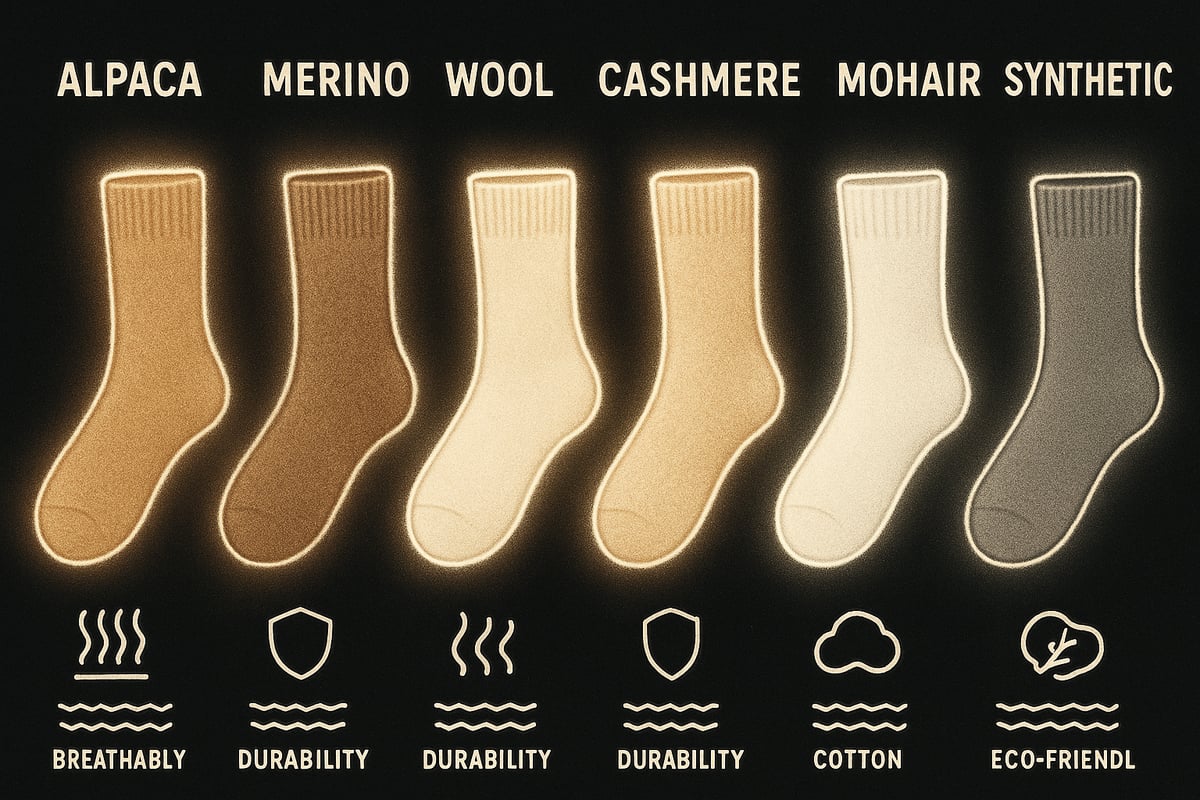
Choosing the right socks for comfort, durability, and performance can feel overwhelming with so many natural fibers on the market. If you have ever wondered what are alpaca socks and how they stack up against other premium options, you are in the right place. Let us break down the key differences across popular sock fibers, so you can make the best choice for your feet.
Alpaca vs. Merino Wool Socks
When considering what are alpaca socks, many people immediately compare them to merino wool. Both fibers are soft, but alpaca offers an extra silky touch and less itchiness, especially for sensitive skin. Alpaca fibers have a unique hollow core, making them warmer and better at wicking moisture.
Merino wool is renowned for its breathability and elasticity, but alpaca socks often outlast merino in durability tests. Maintenance is similar, though alpaca is less likely to pill over time. Pricewise, both sit at the premium end, yet many users feel alpaca delivers more value for longevity and comfort.
If you are curious about a deeper dive into these differences, check out this detailed comparison: Alpaca Socks vs Merino Wool. User reviews consistently praise alpaca for all-day comfort, especially in unpredictable weather.
Alpaca vs. Cashmere and Mohair Socks
How do alpaca socks compare to cashmere and mohair? All three are considered luxury fibers, but each brings its own strengths. Alpaca offers a superior warmth-to-weight ratio, meaning you get more insulation with less bulk.
Cashmere is extremely soft but typically more expensive and delicate. Mohair, from Angora goats, is prized for its sheen and resilience, yet can sometimes feel less soft than alpaca. For sensitive skin, alpaca is often the best choice, as it is less likely to cause irritation.
Here is a quick table to summarize:
| Feature | Alpaca | Cashmere | Mohair |
|---|---|---|---|
| Warmth/Weight | Excellent | Very Good | Good |
| Price | Moderate | High | Moderate |
| Softness | Very High | Extremely High | High |
| Durability | High | Moderate | High |
| Care | Easy | Delicate | Moderate |
Alpaca socks stand out for their mix of practicality and luxury, making them ideal for both everyday and special occasions.
Alpaca vs. Cotton and Synthetic Socks
If you are asking what are alpaca socks in the context of everyday cotton or synthetic socks, the differences are striking. Alpaca outperforms cotton in moisture-wicking and warmth, keeping feet dry and comfortable in all climates. Cotton, while breathable, tends to retain moisture and loses shape quickly.
Synthetics like polyester or nylon may be durable, but they often trap heat and can develop odor over time. Alpaca naturally resists odor and stays fresh for longer wear. Environmentally, alpaca farming is more sustainable than mass-produced cotton or petroleum-based synthetics.
Consumer surveys from 2025 show a clear preference for alpaca socks among those seeking comfort, sustainability, and long-lasting value.
Pros and Cons of Each Fiber Type
Here is a quick list of the main strengths and weaknesses of each sock fiber:
Alpaca:
- Pros: Soft, hypoallergenic, durable, moisture-wicking, eco-friendly
- Cons: Higher upfront cost
Merino Wool:
- Pros: Breathable, temperature-regulating, soft
- Cons: Can pill, some may be allergic
Cashmere:
- Pros: Luxuriously soft, lightweight
- Cons: Expensive, delicate care
Mohair:
- Pros: Durable, shiny, resilient
- Cons: Less soft, sometimes itchy
Cotton:
- Pros: Affordable, widely available
- Cons: Poor moisture control, less durable
Synthetic:
- Pros: Cheap, durable
- Cons: Traps odor, less sustainable
Consider your lifestyle, activities, and preferences when weighing these options.
How to Decide Which Sock Is Right for You
Still wondering what are alpaca socks and which fiber is your best match? Start by considering your needs. If you have allergies or sensitive skin, alpaca is a strong contender. For outdoor adventures or cold climates, alpaca’s warmth and moisture control are hard to beat.
Think about your budget and how often you will wear the socks. While alpaca and other premium fibers cost more upfront, their longevity and performance often justify the investment. Style preferences also play a role, as alpaca socks come in a variety of colors and patterns.
Try a few options and see what feels best. Sometimes, finding your favorite is about personal comfort and a bit of trial and error.
Alpaca Sock Care: Expert Tips for Longevity and Comfort
Caring for alpaca socks is simple, but a few expert tips can help your investment last for years. If you’re wondering what are alpaca socks and how to keep them feeling soft and fresh, following these steps ensures maximum comfort and durability. Whether you wear them for hiking, lounging, or daily errands, the right care routine makes all the difference.
Washing and Drying Best Practices
Understanding what are alpaca socks means recognizing their unique fiber needs. Always check the label, but most alpaca socks benefit from gentle washing. For best results, hand wash in cool water using mild detergent. Avoid bleach and fabric softeners, as these can damage the natural fibers. If you prefer machine washing, use a delicate cycle and place the socks in a mesh bag for protection.
After washing, gently squeeze out excess water, but don’t wring. Lay the socks flat on a clean towel to air dry, reshaping if needed. Never use a hot dryer or direct sunlight. For more details, see How to Care for Alpaca Socks.
Storing and Maintaining Alpaca Socks
Proper storage is key when considering what are alpaca socks and how to preserve them. Always fold your socks loosely and keep them in a cool, dry drawer away from direct light. Avoid hanging them, as this may stretch the fibers. To deter moths and pests, store with natural cedar blocks or lavender sachets, which are gentle on the fabric.
If you travel, pack your socks in a breathable pouch to prevent snagging and maintain their shape. With these habits, your alpaca socks will stay cozy and fresh, ready for every season.
Repairing and Extending Sock Life
Even the highest quality socks can develop small holes over time. If you’re asking what are alpaca socks and how to make them last, simple repairs can go a long way. Darn small holes promptly using a needle and matching thread. Reinforce heels and toes if you notice thinning.
Deciding when to repair or replace depends on the extent of wear. For eco-friendly disposal, consider upcycling old socks as cleaning cloths or craft material. DIY repair kits and online tutorials can guide you through the process, extending the life of your favorite pair.
Common Mistakes to Avoid
Learning what are alpaca socks includes knowing what not to do. Avoid using harsh detergents or bleach, as these break down the delicate fibers. Never dry your socks on high heat or leave them in direct sunlight, which can cause shrinkage and fading.
Rotate your socks regularly instead of wearing the same pair every day. Ignoring care labels or washing with rough fabrics can reduce their lifespan. By steering clear of these mistakes, you’ll protect your alpaca socks’ luxurious feel and durability.
Seasonal Care Tips for 2026
Adjusting your routine as seasons change is essential if you want to know what are alpaca socks and how to care for them year-round. In winter, ensure socks are fully dry before storing to prevent mildew. During humid months, use moisture-absorbing sachets in your drawer.
Prepare socks for off-season storage by washing and drying thoroughly, then folding and placing them in a breathable container. For different climates, adapt care routines as needed—experts recommend extra attention to humidity for UK and global users. These steps help keep your socks flawless, no matter the weather.
The Future of Alpaca Socks: Trends, Innovations & Sustainability in 2026
The future of alpaca socks is brighter than ever as consumers increasingly ask, what are alpaca socks, and how do they fit into a sustainable lifestyle? In 2026, the answer is clear: ethical sourcing and eco-friendly manufacturing are at the heart of the alpaca sock industry. Brands are investing in fair trade practices, transparent supply chains, and certifications that guarantee animal welfare and environmental stewardship. According to Alpaca fiber market growth projections, global demand for sustainable, luxurious fibers like alpaca is set to soar, benefiting farming communities and conscious consumers alike.
Sustainable Sourcing and Ethical Manufacturing
Sustainability is not just a trend; it is a driving force behind what are alpaca socks in 2026. Producers are focusing on traceable supply chains, ensuring every pair supports both the environment and local farmers. Eco-certifications are now a standard, helping shoppers identify responsibly made products. The rise in ethical purchases reflects a deeper commitment to fair wages, humane animal care, and preservation of traditional communities. These changes are making alpaca socks a symbol of mindful consumption.
Technological Advancements in Alpaca Sock Production
Innovation is shaping what are alpaca socks as we see new knitting techniques that enhance comfort, stretch, and durability. Advanced blending with fibers like bamboo or Tencel has led to even softer, more breathable socks. Digital customization is now possible, allowing for precise sizing and even 3D fitting. Some brands are experimenting with smart socks that monitor foot health, pushing alpaca socks into the realm of wearable technology. This blend of tradition and tech is setting new standards in the sock world.
Style, Color, and Design Trends for 2026
The question, what are alpaca socks, is often answered through their evolving style. In 2026, expect bold patterns, rich colors, and limited-edition collaborations with artists and designers. Gender-neutral sizing is on the rise, making these socks accessible to everyone. Collections now feature everything from minimalist classics to playful prints, ensuring a match for every taste. The focus on inclusive design is making alpaca socks a staple in both fashion-forward and everyday wardrobes.
The Evolving Role of Alpaca Socks in Fashion and Wellness
What are alpaca socks now represent a shift from simple outdoor gear to coveted fashion and wellness essentials. Their all-season comfort and hypoallergenic properties have earned them a place in athleisure, loungewear, and even luxury collections. Health professionals are recommending them for foot wellness routines, while trend forecasters predict continued growth over the next five years. Alpaca socks are no longer just a functional item—they are a lifestyle choice for those who value comfort, ethics, and style.