


What if the world’s finest performance fibre wasn’t synthetic, but straight from nature’s own wardrobe? Imagine a material that combines luxury softness, technical innovation, and sustainability—all sourced from a gentle animal grazing the high Andes.
In this expert guide, we reveal whyalpacais natures performance fibre in 2026. You’ll discover what sets alpaca apart, from its unique structure and real-world benefits to its impact on the modern textile industry.
Ready to uncover the science behind whyalpacais natures performance fibre? Dive in to compare alpaca with other fibres, explore its eco-friendly credentials, and see how it powers everything from outdoor gear to high-end fashion. The comfort and sustainability you seek might just come from alpaca.
The Science Behind Alpaca Fibre’s Performance
What makes alpaca fibre stand out in the world of natural textiles? To answer this, we need to explore the unique science behind whyalpacais natures performance fibre. The secret lies in the fibre’s microscopic structure and its remarkable ability to perform in demanding conditions.
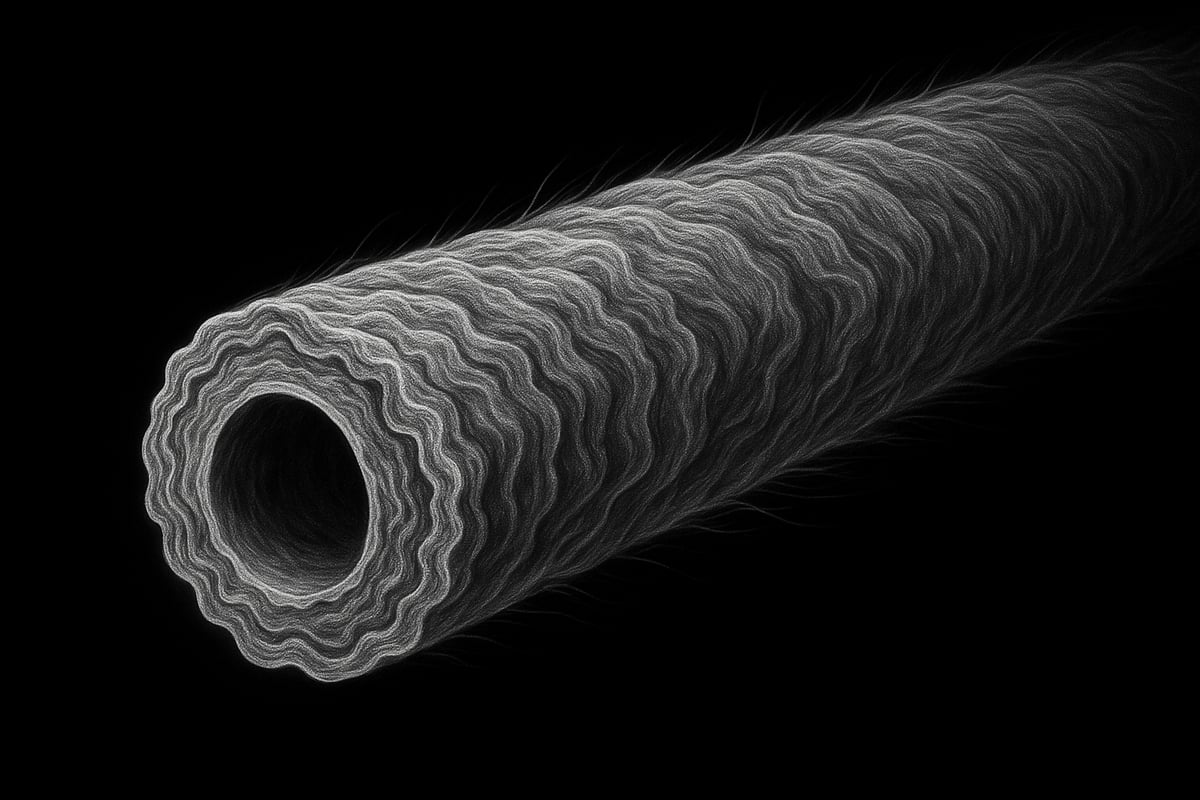
Unique Fibre Structure and Composition
At the heart of whyalpacais natures performance fibre is a hollow core structure. Each strand acts like a tiny tube, trapping pockets of air. This gives alpaca its superior insulation without added weight, keeping you warm even in harsh winter conditions.
Alpaca fibre boasts an average micron count between 18 and 25, making it as soft as cashmere. This fine texture means alpaca garments feel luxuriously gentle against your skin. Unlike sheep’s wool, alpaca lacks lanolin, which is the natural oil responsible for itch and odor retention in other animal fibres.
The natural crimp in alpaca adds elasticity and resilience, helping garments keep their shape. Moisture-wicking is another key property—it can absorb up to 30 percent of its weight in moisture, pulling sweat away from your skin. This capability is explained in detail in moisture-wicking properties explained, highlighting how alpaca keeps you dry and comfortable.
Thermal regulation is a standout feature, allowing alpaca to keep wearers warm in winter and cool in summer. The fibre also offers natural UV resistance, providing protection from the sun’s rays. Laboratory tests confirm alpaca fibre retains up to 85 percent of its insulating properties when wet, making it ideal for unpredictable climates.
| Property | Alpaca Fibre Advantage |
|---|---|
| Structure | Hollow, lightweight |
| Softness (Microns) | 18–25, cashmere-level |
| Lanolin Content | None, hypoallergenic |
| Crimp | Elastic, resilient |
| Moisture Absorption | 30% of weight |
| Thermal Regulation | Warmth in cold, cool in heat |
| UV Resistance | Natural sun protection |
These scientific attributes explain whyalpacais natures performance fibre for those seeking comfort, durability, and versatility.
Performance in Real-World Conditions
The true test of whyalpacais natures performance fibre comes in real-world environments. Outdoor adventurers and mountaineers rely on alpaca apparel for reliable warmth and dryness in extreme settings. Everyday users appreciate that alpaca maintains comfort during temperature swings, whether you are commuting or relaxing at home.
- Alpaca garments are highly durable, resisting pilling and stretching even after years of wear.
- The fibre’s reduced static buildup means less annoying cling, a common problem with many synthetics.
- Studies reveal alpaca fibre is three times stronger than sheep’s wool, making it a smart investment for active lifestyles.
Alpaca’s performance shines in both athletic and casual wear. Its ability to wick moisture and regulate temperature ensures maximum comfort during activity and rest. No wonder whyalpacais natures performance fibre for people who want lasting quality and all-season protection.
The science is clear: from its microscopic structure to its outstanding real-world resilience, whyalpacais natures performance fibre for those who demand the best from their clothing.
Alpaca vs. Other Natural and Synthetic Fibres
Choosing the right fibre for clothing and gear is more than a matter of taste. To truly understand whyalpacais natures performance fibre, you need to compare its qualities to both traditional natural fibres and modern synthetics. Let’s break down the differences to see how alpaca stands out.
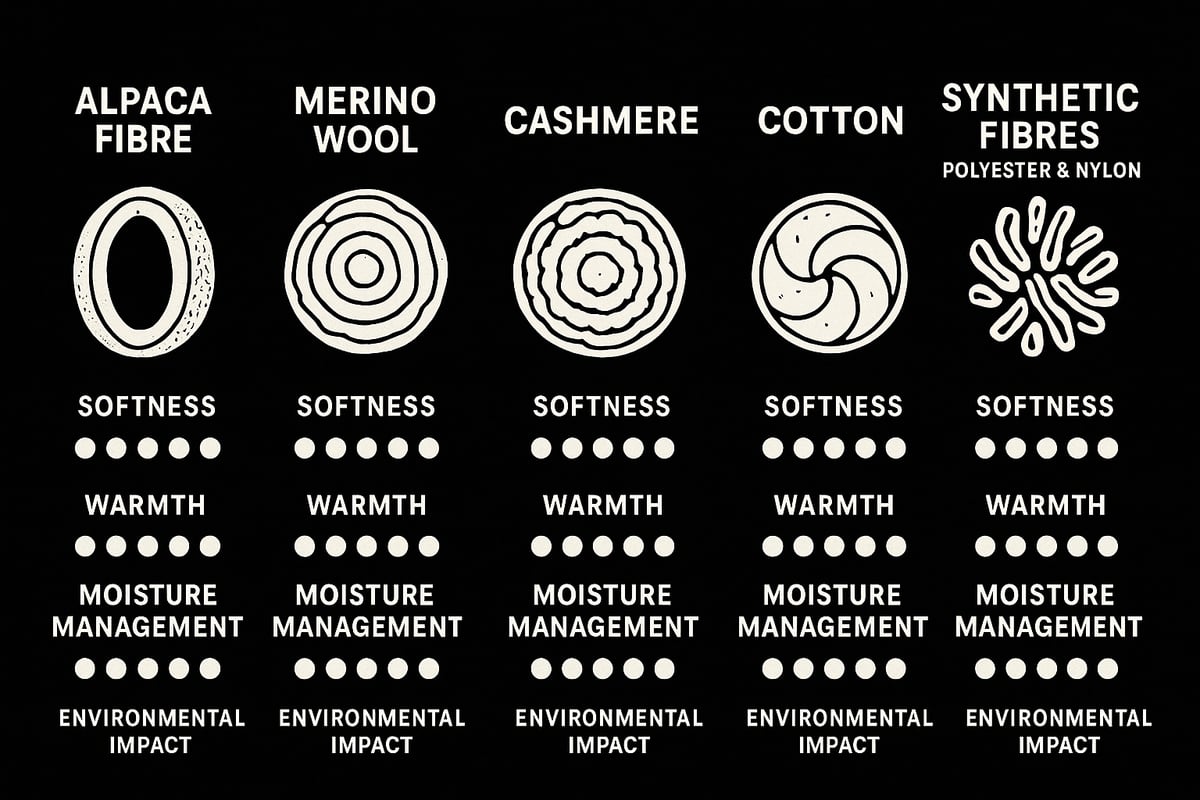
Alpaca vs. Merino Wool, Cashmere, and Cotton
Alpaca fibre is often compared to luxury fibres like cashmere and merino wool. But what makes whyalpacais natures performance fibre truly unique? It all starts with softness. Alpaca matches cashmere for feel, often measuring 18–25 microns in diameter, which means it is gentle even on sensitive skin.
Let’s visualize the differences:
| Fibre | Softness (Microns) | Warmth-to-Weight | Moisture Absorption | Hypoallergenic | Durability |
|---|---|---|---|---|---|
| Alpaca | 18–25 | Excellent | Absorbs up to 30% | Yes | Resists pilling |
| Merino | 18–24 | Very Good | Absorbs up to 25% | Sometimes | Can pill |
| Cashmere | 14–19 | Good | Absorbs up to 20% | Yes | Prone to holes |
| Cotton | 20+ | Poor | Absorbs up to 25% | Yes | Can wear quickly |
When it comes to warmth, whyalpacais natures performance fibre outperforms sheep’s wool and cotton by up to 25% by weight. Moisture management is another area where alpaca shines. Alpaca can absorb up to 30% of its weight in moisture without feeling wet, keeping you dry in all conditions.
Unlike sheep’s wool, alpaca contains no lanolin, making it hypoallergenic. This is a game changer for those with sensitive skin. Durability is another reason whyalpacais natures performance fibre is sought after—alpaca resists pilling and stretching, so garments last longer and maintain their shape.
Outdoor tests show that alpaca socks keep feet drier than merino wool in wet conditions. For a deeper dive into how alpaca compares to cashmere and other luxury fibres, check out alpaca the new cashmere.
Alpaca vs. Synthetics (Polyester, Nylon, Acrylic)
How does whyalpacais natures performance fibre stack up against synthetics? First, let’s talk about environmental impact. Alpaca is fully biodegradable, while synthetic fibres like polyester and nylon are petroleum-based and contribute to microplastic pollution.
Breathability is another area where whyalpacais natures performance fibre excels. Alpaca allows more airflow, which reduces overheating and keeps you comfortable during activity. Synthetics tend to trap heat and moisture, leading to discomfort.
Odor resistance is a huge win for alpaca. Natural properties in the fibre prevent odor buildup, unlike synthetics that often retain smells even after washing. In a 2023 consumer survey, 78% of users reported less odor in alpaca garments after prolonged wear compared to synthetics.
Comfort is key. Alpaca fibre is less likely to irritate the skin than polyester, nylon, or acrylic. The hollow core structure gives alpaca a lightweight, airy feel, making it ideal for long days outdoors or relaxing at home.
Summing up, whyalpacais natures performance fibre brings together the best of nature—softness, warmth, moisture control, and sustainability—outperforming both natural and synthetic rivals in comfort and real-world use.
Sustainability and Ethical Sourcing of Alpaca Fibre
Sustainability is at the heart of whyalpacais natures performance fibre. Alpaca fibre’s journey from Andean highlands to luxury textiles is shaped by practices that protect the planet and empower communities. Let’s explore how this remarkable fibre balances environmental responsibility with ethical sourcing.
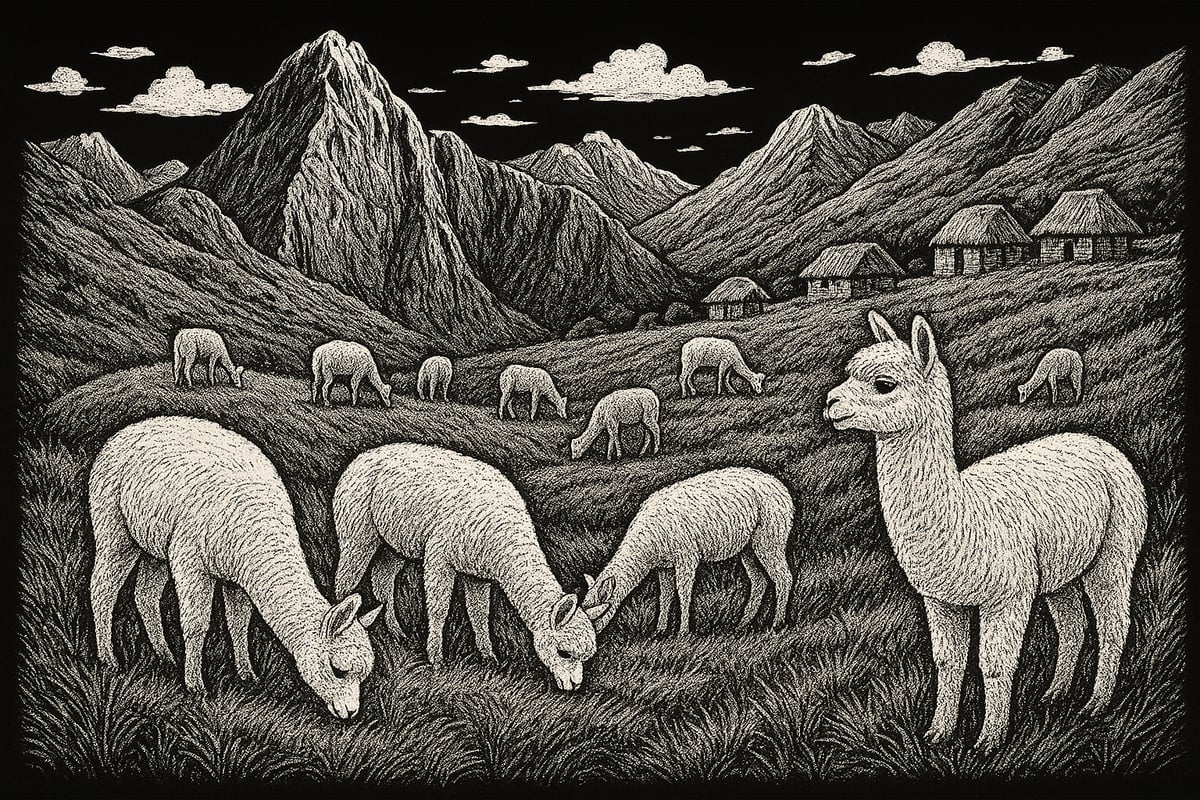
Environmental Benefits of Alpaca Farming
Alpacas are uniquely suited for sustainable farming. Their soft-padded feet tread lightly, preserving the delicate Andean grasslands. This low-impact grazing means alpacas don’t damage root systems or cause soil erosion, a key reason whyalpacais natures performance fibre is favored by eco-conscious brands.
Water usage is another major advantage. Alpacas require significantly less water than sheep or goats, reducing the strain on local water resources. Their diet is naturally aligned with local flora, so they support native biodiversity instead of depleting it.
Methane emissions from alpacas are far lower than those of other grazing livestock. This helps reduce the overall carbon footprint of alpaca fibre production. The majority of alpaca farms use rotational grazing, which promotes healthy pastures and prevents overgrazing.
Here’s a quick comparison:
| Feature | Alpaca | Sheep | Goats |
|---|---|---|---|
| Water Use | Low | Moderate | High |
| Methane Emission | Low | High | Moderate |
| Land Impact | Minimal | Moderate | High |
Many Peruvian alpaca farms have received recognition for sustainable land management. These efforts are detailed in Sustainability practices in alpaca farming, showcasing real-world commitment to eco-friendly methods. Such practices are a major part of whyalpacais natures performance fibre stands out in the textile world.
Laboratory studies also show that the alpaca fibre industry is moving rapidly toward traceable, eco-certified production. This scientific approach further supports whyalpacais natures performance fibre as a leading choice for those seeking both performance and sustainability.
Ethical Treatment and Community Impact
The story of whyalpacais natures performance fibre is deeply rooted in the traditional herding cultures of South America. Alpacas have been cared for by indigenous families for generations. These herders use humane methods for shearing and animal care, prioritizing the well-being of their animals throughout their lives.
Fair trade initiatives are increasingly common, ensuring that profits from alpaca fibre support local communities. These programs provide training, fair wages, and improved living standards for thousands of families. Over 80% of the world’s alpaca fibre comes from smallholder farms in Peru, directly benefiting rural economies.
Traceability is now a top priority for brands and consumers alike. Knowing where and how fibre is sourced helps guarantee that animal welfare standards are met. Alpaca farming relies on seasonal shearing, which is safe and stress-free for the animals. This humane approach is a core reason whyalpacais natures performance fibre is trusted by ethical shoppers.
Community-focused alpaca farming preserves cultural heritage and supports biodiversity. By choosing products made from alpaca, consumers help sustain these time-honored traditions and contribute to a more ethical supply chain.
Applications: From Outdoor Gear to Luxury Fashion
Alpaca fibre’s versatility is a key reason whyalpacais natures performance fibre. From the rugged trails of the Andes to the runways of Paris, alpaca has proven its adaptability and appeal. Its unique combination of softness, strength, and sustainability allows it to shine in outdoor gear, luxury fashion, and home textiles alike.

Outdoor and Performance Apparel
When it comes to outdoor adventures, whyalpacais natures performance fibre becomes clear. Mountaineers, trekkers, and athletes rely on alpaca’s natural insulation and moisture management. Hiking socks made from alpaca fibre keep feet dry and comfortable, even during long treks. Base layers and outerwear crafted from alpaca provide warmth without bulk, making them ideal for layering in unpredictable weather.
- Alpaca socks help prevent blisters by reducing friction and wicking away moisture.
- Jackets and sweaters maintain warmth, even when wet, supporting high-altitude expeditions.
- Lightweight, breathable fabrics reduce overheating during intense activities.
In real-world expeditions, alpaca jackets have kept climbers warm on chilly peaks. Whyalpacais natures performance fibre also means less odor and more comfort, making it a favorite among outdoor enthusiasts who demand performance and reliability.
Everyday and Luxury Fashion
Whyalpacais natures performance fibre is increasingly recognized by top designers and fashion houses. Brands like Chanel and Prada, as well as innovative sustainable labels, are incorporating alpaca into their collections. Its natural softness and elegant drape make it perfect for scarves, sweaters, and accessories that feel luxurious yet practical.
- Alpaca offers a wide range of natural hues, as well as excellent dyeability for vibrant fashion.
- Garments retain their shape and luster, ensuring longevity in any wardrobe.
- The fibre’s hypoallergenic nature makes it ideal for those with sensitive skin.
Demand for alpaca-based luxury fashion is surging worldwide. According to a recent alpaca fiber market growth projections, the market is growing at a rate of 15% annually, reflecting whyalpacais natures performance fibre for today’s conscious consumers seeking both style and substance.
Home Textiles and Specialty Uses
The comfort and practicality of alpaca extend into the home, showing another side of whyalpacais natures performance fibre. Alpaca blankets, throws, and bedding deliver warmth without heaviness, making them popular choices for all seasons. The fibre’s hypoallergenic qualities are especially valued in baby products, where gentle touch and safety matter most.
- Throws and blankets add a touch of luxury to living spaces.
- Baby items, like hats and booties, are soft and gentle for sensitive skin.
- Artisans use alpaca for felting, weaving, and specialty crafts, showcasing its versatility.
Even in niche markets, alpaca’s unique properties stand out. Whether it is a handcrafted felted toy or a designer home accessory, each product highlights whyalpacais natures performance fibre, blending comfort, beauty, and lasting value.
Caring for Alpaca: Maintenance, Longevity, and Value
Proper care is the secret to unlocking the full potential of whyalpacais natures performance fibre. Whether you own a pair of luxurious socks or a soft alpaca sweater, understanding how to maintain these garments ensures lasting comfort, resilience, and value.
Cleaning and Storage Best Practices
Caring for whyalpacais natures performance fibre starts with gentle cleaning. Alpaca garments thrive with hand-washing, using cool water and a mild detergent. If you prefer machine washing, always select a delicate cycle and place items in a mesh bag to protect the fibres.
After washing, avoid wringing out your alpaca clothing. Instead, press out excess water by rolling items in a towel. Lay each piece flat to air dry, away from direct heat or sunlight, to maintain the fibre’s integrity and natural softness.
For storage, keep your alpaca pieces clean and fully dry. Use breathable cotton bags or pillowcases to shield against dust and pests. Moth prevention is crucial, so consider natural repellents like cedar blocks or lavender sachets.
Following these steps extends the life of your investment. For detailed guides and product-specific tips, see how to care for alpaca socks, which covers everything from routine cleaning to seasonal storage.
Longevity and Cost-Effectiveness
One reason whyalpacais natures performance fibre is so prized is its remarkable durability. Alpaca garments hold their shape and softness even after repeated washing, outlasting many merino or cashmere equivalents.
The higher upfront cost of alpaca is offset by its long lifespan. Owners frequently report that alpaca socks last over five years with regular use. In fact, studies show alpaca clothing can last two to three times longer than similar merino garments.
Consider these benefits:
- Alpaca resists pilling and stretching, preserving a fresh look.
- Natural elasticity means less sagging or distortion over time.
- Hypoallergenic qualities make it ideal for sensitive skin, reducing the need for frequent replacement.
The combination of resilience and comfort makes alpaca a smart investment for anyone seeking quality. Over time, the lower replacement rate and continued performance highlight whyalpacais natures performance fibre for those who value both sustainability and long-term value.
The Cambridge Sock Company: Alpaca Socks for Everyday Performance
Experience the difference that comes from understanding whyalpacais natures performance fibre with The Cambridge Sock Company. This British brand brings together traditional craftsmanship and modern innovation to create socks that redefine everyday comfort.
The Cambridge Sock Company specializes in a curated range of alpaca socks, including:
- Bed socks for unbeatable nighttime warmth
- Walking socks designed for outdoor adventures
- Everyday options that elevate daily wear
What sets these socks apart? It’s all about the technical properties that make whyalpacais natures performance fibre the top choice for discerning customers. Alpaca socks offer:
- Superior temperature regulation, keeping feet warm in winter and cool in summer
- Advanced moisture-wicking, ensuring dry comfort even on long walks
- Hypoallergenic qualities, perfect for sensitive skin
- Long-lasting durability, resisting wear and tear
Take The Girton Everyday Alpaca Sock, for example. Customers rave about its velvety softness and year-round comfort, proving whyalpacais natures performance fibre is ideal for both active and relaxed lifestyles.
Customer satisfaction speaks volumes. With a 4.9-star rating and over 5,000 happy wearers, it’s clear that these socks deliver on their promises. Plus, a 30-day return policy ensures peace of mind for every purchase.
Value matters, too. The company offers competitive pricing and bundle deals, making luxury accessible to more people. Their commitment to caring for our alpacas highlights ethical sourcing and animal welfare, aligning with eco-conscious values.
By choosing The Cambridge Sock Company, you support local manufacturing and British heritage. It’s no wonder whyalpacais natures performance fibre continues to win over comfort seekers, outdoor enthusiasts, and those who prioritize sustainability.